Brain Stimulation and Sleep: The Next Frontier

One of the most exciting developments is something called closed-loop auditory stimulation. It sounds complex, but the idea is simple. During deep sleep, your brain produces slow, synchronized brain waves that act like a metronome, helping your brain file away memories and clear out metabolic waste. Scientists discovered that if they play a soft sound—like a brief pink noise burst—at just the right moment in that wave cycle, they can strengthen the wave. The result is deeper, more restorative sleep and better memory consolidation.
Imagine a device, maybe a headband or a bedside speaker, that listens to your brain activity in real time. When it detects the beginning of a slow wave, it plays a gentle tone. Your brain doesn’t even register the sound consciously, but it responds by producing a bigger, longer slow wave. Studies have shown that this can improve overnight memory by up to 30 percent in older adults. For people who struggle with sleep, that’s a game changer. You’re not just lying there longer—you’re actually making the time you sleep count more.
But there’s more than just sound. Researchers are also exploring transcranial direct current stimulation, or tDCS. This involves placing small electrodes on your scalp and sending a very weak electrical current to specific brain regions. The current doesn’t cause pain or twitching; it simply nudges the activity of neurons. Some studies have found that applying this stimulation during deep sleep can boost the power of slow waves, enhancing sleep’s restorative effects. Similarly, transcranial magnetic stimulation uses magnetic pulses to reach brain areas from outside the skull. These techniques are still being refined, but they hold incredible potential, especially for people with chronic insomnia or age-related sleep decline.
Then there’s neurofeedback, which is less about stimulating the brain and more about training it. With neurofeedback, you wear sensors that measure your brain waves. You see a visual or auditory representation of that activity on your phone or computer screen. Over time, you learn to produce patterns associated with calmness and relaxation. For many people with anxiety-driven insomnia, this can be a powerful tool to quiet a racing mind before bed. It’s not a quick fix, but it’s a way to build lasting sleep skills without relying on medication.
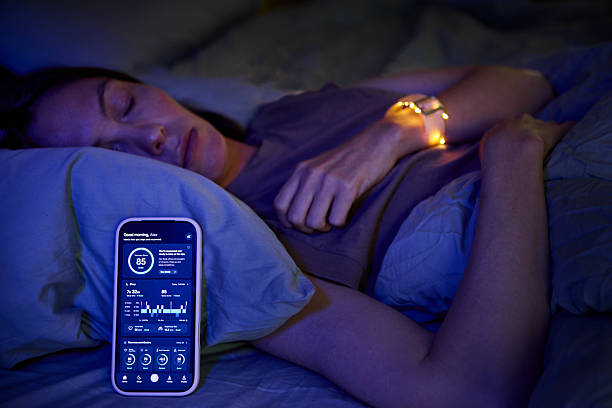
The future doesn’t stop there. Scientists are looking at personalized brain stimulation based on your unique neural signature. Wearables already collect data on your heart rate, breathing, and movement. In the coming years, they might also collect real-time EEG data. That data will feed into algorithms that determine exactly when and how to stimulate your brain for optimal sleep. Your device could even adjust stimulation based on your sleep stage, your age, or your specific sleep problem.
Of course, there are challenges. We need to ensure these technologies are safe and effective in the long term. We also need to make them accessible. Most current devices are bulky and expensive, designed for clinics, not bedrooms. But as miniaturization improves and costs drop, it’s easy to imagine a future where a slim headband or earpiece is as common as a sleep tracker is today.
What does this mean for you? It means sleep is becoming more than just time off. It’s becoming an active, optimizable process. You’ll still need good habits—your mattress, your bedtime routine, your dark room—but brain stimulation could add an extra layer of help. It could be the difference between waking up groggy and waking up sharp, or between forgetting a name and remembering it effortlessly.
We’re standing on the edge of a new era in sleep science. Neurotechnology is no longer science fiction. It’s a growing field with real, measurable benefits. So the next time you hear a soft sound in the night, it might just be your brain getting the boost it needs to carry you through tomorrow.
Dream Blog
Real sleep talk for real people.


Subterranean Living and Vitamin D Lamps

Hot Flashes and Menopause Cooling Tech