Hot Flashes and Menopause Cooling Tech

Understanding why hot flashes sabotage sleep is the first step. Your body has a natural circadian rhythm that lowers your core temperature by about one to two degrees as you drift off. This cooling signal tells your brain it is time to sleep. A hot flash reverses this process, rapidly raising your body temperature and triggering a cascade of physiological responses, including a racing heart and sweating. Even if you do not fully wake up, these micro-arousals fragment your sleep cycle, robbing you of restorative deep sleep and rapid eye movement sleep. Over time, this can lead to chronic fatigue, mood swings, and brain fog. The goal of cooling tech is not simply to make you feel cooler, but to mimic and support your body’s natural cooling mechanism, preventing temperature spikes before they disrupt your rest.
The most accessible upgrade you can make is to your sleep environment, starting with your mattress and bedding. Traditional memory foam mattresses are notorious for trapping heat, as they conform to your body and restrict airflow. Instead, look for mattresses specifically designed with cooling technology. Many now feature phase change materials, or PCMs, that absorb and release heat to keep your mattress surface within a comfortable range. Others use gel-infused foams or open-cell structures that promote breathability. Pairing this with cooling sheets made from materials like Tencel lyocell, bamboo, or high-quality cotton percale can make a significant difference. These fabrics wick moisture away from your skin and evaporate sweat quickly, whereas polyester or sateen weaves can hold heat. You might also consider a cooling mattress topper or a dedicated cooling pad that circulates chilled water beneath you, offering precise temperature control without chilling the entire room.
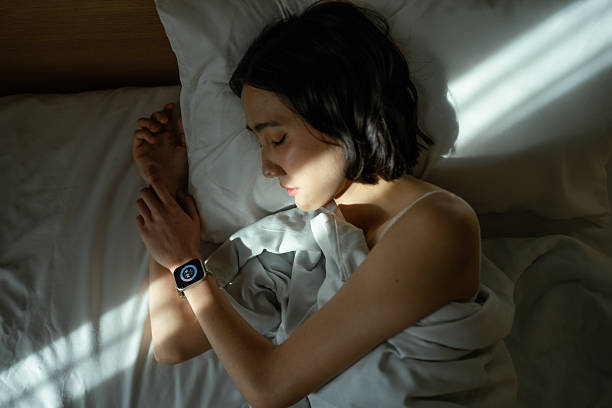
Wearable technology has evolved beyond step counting. Today, you can find cooling wearables that target your body’s most heat-sensitive areas. One of the most effective innovations is a wrist-worn device that uses a small, metal plate to cool the skin over your pulse point. Because the blood vessels in your wrist are close to the surface, cooling this area can send a signal to your brain’s temperature regulation center, effectively tricking it into lowering your core temperature. Some wearables are designed as neckbands or shoulder wraps that provide continuous cooling through evaporation or active thermoelectric elements. These devices are not gimmicks; clinical studies have shown that consistent use during sleep can reduce the frequency and intensity of hot flashes for many women. They offer a drug-free alternative to hormone therapy for those who cannot or choose not to take hormones.
Another rising star in sleep tech is the smart bed. These are not your parents’ adjustable beds. Modern smart beds can sense your body heat and movements throughout the night. If the system detects that you are overheating, it can automatically adjust the mattress temperature, raise an area for better airflow, or even tilt your upper body slightly to help with sweating. Some models offer dual-zone cooling, meaning you can set your side to a cool sixty-five degrees while your partner stays warmer. This personalization is key. You do not have to freeze your sleep partner to achieve your ideal temperature.
Timing and layering also play a role. Consider a cooling pillow that uses gel or a breathable mesh cover to keep your head and neck cool. Your head is a major heat dissipater, so keeping it cool can help drop your overall body temperature. Also, adopt a pragmatic approach to pajamas. Moisture-wicking sleepwear made from fabrics like merino wool or specialized synthetic blends does a far better job than cotton, which stays damp and chills you when it cools off. You might even experiment with a cooling neck wrap or a small fan directed at your side of the bed for targeted air movement.
Optimizing sleep during menopause is not about fighting biology; it is about working with it using the tools we now have. The cooling tech industry has responded to the needs of millions of women who want to sleep without the interruption of night sweats. By upgrading your mattress and sheets, trying a cooling wearable, or investing in a smart bed, you are taking a proactive step toward better sleep. The night sweat revolution is here, and it is giving women the power to cool down and truly rest. You deserve a full night of sleep, and with these temperature regulation hacks, it is entirely within reach.
Dream Blog
Real sleep talk for real people.

The Fold Test for Dead Pillows
The Balance Between Sleep and Hunger