Wrist vs Ring Sleep Trackers: Which One Should You Trust?
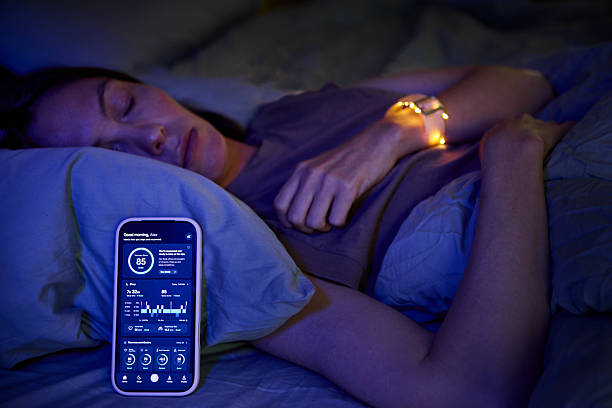
Wrist trackers have been around for over a decade. Names like Fitbit, Garmin, and Apple Watch have made them the go-to for most people. They sit on your arm, often with a bright screen that shows your steps, heart rate, and notifications. At night, they use accelerometers to detect movement and optical sensors to measure your pulse. That combination lets them estimate your sleep stages with surprising accuracy. Many wrist models also offer silent alarms, which wake you with a gentle vibration instead of a loud beep. For folks who already wear a watch all day, adding a wrist tracker feels like a no-brainer. It’s one device for everything, and the sleep data is right there alongside your workout stats.
Rings, like the Oura Ring or the newer Ultrahuman, are the stylish newcomers. They pack the same kinds of sensors into a tiny titanium band that fits on your finger. Because your fingers have dense blood vessels, ring trackers often capture heart rate and heart rate variability more precisely than wrist sensors. That makes them excellent at detecting subtle changes in your body that relate to recovery and stress. Rings are also remarkably comfortable to sleep in. You barely feel them, and there’s no bulky screen to bump or twist while you toss and turn. The downside is that rings don’t have a display. To see your sleep score, you have to open an app on your phone. They also tend to cost more than basic wrist models, and you have to be careful about sizing because your fingers can swell overnight.
So which one wins the face-off? It comes down to what you value most. If you want all-day convenience and don’t mind a device on your wrist 24/7, a wrist tracker is the practical choice. You get a bright screen for checking your sleep trends in the morning, plus features like timers, alarms, and even payments. The battery life on newer models lasts anywhere from four to ten days, depending on the brand. The main complaint people have is comfort. Some find wristbands annoying at night, especially if they sleep on their side or move a lot. The fabric straps can get sweaty, and the face can press against your hand.
Rings shine when comfort is your top priority. Many users say they forget they’re wearing the ring at all. Since there’s no screen, there’s no temptation to scroll through notifications before bed, which is a huge win for sleep hygiene. The app-based reports are detailed and easy to read, and rings are particularly good at tracking overnight trends over weeks and months. On the flip side, rings are less durable if you do heavy lifting or play sports, and some people find that wearing a ring while typing or cooking gets in the way. Also, rings need to be charged every three to seven days, and losing that tiny charger is a real pain.
Let’s talk about data accuracy. Both types are estimates, not medical devices. They predict sleep stages based on movement and heart rate, so they can occasionally mix up light sleep and deep sleep. Wrist trackers tend to underdetect wakefulness because arm movement doesn’t always match being awake. Rings do a bit better with wake detection because they measure pulse wave amplitude, which changes with each heartbeat. For most people, the differences are small and don’t matter much. What matters more is consistency. Pick one device and use it every night so you can spot trends over time.
Your budget matters too. You can find a reliable wrist tracker for under fifty dollars, while rings typically start around two hundred and go up from there. If you’re just curious about your basic sleep pattern, a cheaper wristband gives you a great start. If you’re a data nerd who loves detailed recovery scores and you want something that feels like jewelry, the ring is worth the splurge.
Here’s a friendly piece of advice: don’t get hung up on the brand or the shiny ads. Think about your own sleep habits. Do you hate sleeping with anything on your arm? Get a ring. Do you want to see your sleep score the second you open your eyes without pulling out your phone? Get a wrist tracker. Do you need a long battery life for camping trips? Some rings last longer than certain watches, so check the specs. Do you have very small or very large fingers? Rings can be limiting, so measure carefully.
At the end of the day, the best sleep tracker is the one you’ll actually wear every night. Both wristbands and rings have helped millions of Americans understand their rest better. The real win isn’t the device itself—it’s what you do with the information. Use your nightly data to adjust your bedtime, your evening routine, or your caffeine intake. Let the tracker point you in the right direction, but trust how you feel in the morning. That’s the secret to great sleep. Your body already knows what it needs. A wearable just helps you listen.
Dream Blog
Real sleep talk for real people.

How Nasal Breathing Affects Sleep Quality