How Nasal Breathing Affects Sleep Quality
When you breathe through your nose, the air gets filtered, warmed, and moisturized before it reaches your lungs. Your nose is essentially a built-in air conditioner and purifier. It catches dust, pollen, and other particles, adds humidity to dry indoor air, and helps regulate the temperature of the air you inhale. This matters a lot at night because your airways need to stay open and relaxed for deep sleep to happen. Mouth breathing bypasses all these benefits. It pulls dry, unfiltered air straight into your throat, which can irritate the tissues, make them swell, and narrow the airway. A narrower airway means more resistance to airflow, which often leads to snoring and can trigger episodes where your breathing actually stops for short moments—the hallmark of obstructive sleep apnea.
The relationship between nasal breathing and sleep apnea is especially important to understand. Many people assume sleep apnea is purely about the throat collapsing, but nasal congestion plays a huge role. If your nose is stuffed up, you’re more likely to open your mouth to breathe. That shift to mouth breathing changes the position of your jaw and tongue. Your tongue falls back more easily, and the soft tissue in your throat has less structural support. The result is a higher chance of airway collapse. Studies have shown that people with chronic nasal congestion are more prone to snoring and have worse sleep apnea severity compared to those who can breathe freely through their nose. Even if you don’t have full-blown apnea, reduced nasal airflow can cause fragmented sleep, leaving you tired and foggy the next day.
So what can you do if your nose often feels blocked at night? First, look at your sleep environment. Dry air is a common culprit, especially during winter or in air-conditioned homes. Running a humidifier in your bedroom can keep your nasal passages from drying out, which reduces swelling and helps you breathe easier. Another simple trick is nasal saline rinses before bed. A gentle spray or a neti pot can clear out allergens and mucus without medication. For allergy sufferers, figuring out your triggers is key. Dust mites, pet dander, and pollen often make nighttime congestion worse. Washing your sheets in hot water weekly, keeping pets off the bed, and using allergen-proof pillow covers can make a noticeable difference.
Some people also benefit from nasal dilator strips. These adhesive bands stick to the outside of your nose and gently pull open the nostrils, lowering airflow resistance. They’re not a cure for sleep apnea, but they can reduce snoring and improve comfort. If you already use a CPAP machine for sleep apnea, nasal breathing becomes even more important. Many CPAP masks are designed for nasal delivery, and if your nose is blocked, the therapy won’t work as well. Talk to your doctor about whether a nasal steroid spray like fluticasone might help reduce chronic inflammation. That’s often a first-line treatment before surgery is ever considered.
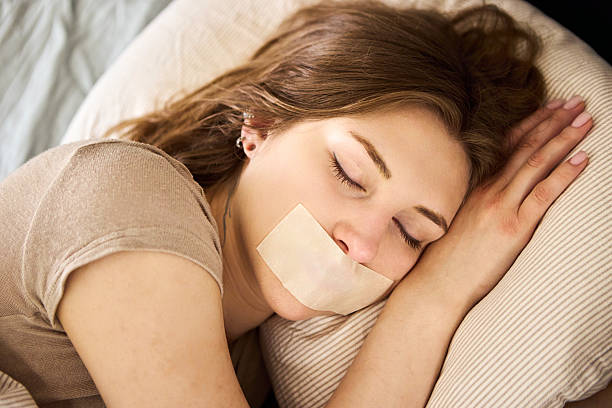
There’s also a behavioral angle. Many adults have developed a habit of mouth breathing, especially if they’ve had colds or allergies for years. Practicing mouth taping—using medical tape to gently keep your lips closed during sleep—is a popular trend, but it’s not for everyone. If you have severe nasal obstruction, taping your mouth shut could be uncomfortable or even dangerous. Instead, try spending a few minutes during the day doing nasal breathing exercises. Close your mouth and breathe in and out slowly through your nose. This helps you become more aware of your breathing pattern and can train your body to default to nasal breathing at night.
The bottom line is that your nose is not just a decoration on your face. It’s a crucial player in your sleep health. When nasal breathing works well, your airway stays open, your oxygen levels remain steady, and your brain can move through the sleep stages that leave you feeling refreshed. When nasal breathing fails, everything else suffers. If you’ve been told you snore heavily, wake up gasping, or feel exhausted despite eight hours in bed, take a look at your nose first. Simple changes like clearing your sinuses, using a humidifier, or adjusting your sleep position might be the bridge between tossing and turning and truly restful sleep. And if you suspect you have sleep apnea, seek a proper sleep test. But even in the meantime, improving your nasal breathing is a low-cost, high-benefit step that puts you in charge of your sleep quality. Breathe in through your nose, and let your body do the rest.
Dream Blog
Real sleep talk for real people.


Why Recovery Is More Than Rest Days