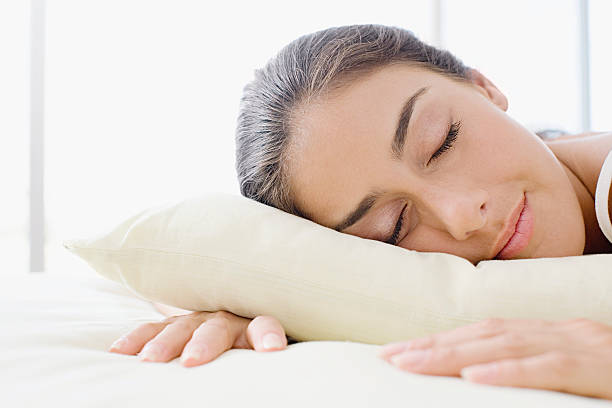
Why Recovery Is More Than Rest Days

When you sleep, your body releases human growth hormone, which is essential for repairing microscopic tears in muscle fibers that occur during exercise. This release peaks during deep sleep. If you consistently shortchange your sleep, you reduce that growth hormone surge, leaving your muscles under‑repaired and prone to overuse injuries. Your body’s cortisol, the primary stress hormone, also drops during sleep. Chronic sleep deprivation keeps cortisol high, which encourages fat storage and muscle breakdown—the exact opposite of what you want from your workouts.
Beyond hormones, sleep directly influences your athletic performance. A study from Stanford University found that basketball players who slept ten hours per night improved their sprint times and free‑throw accuracy. Conversely, even one night of poor sleep can lower your reaction time, decrease your endurance, and make you feel more fatigued during moderate exercise. That extra mile on a rest day won’t happen if your sleep has been shallow or fragmented.
Many fitness enthusiasts confuse “rest” with “doing nothing.” They take a rest day but still binge Netflix until 2 AM, drink caffeine late after a workout, or scroll through their phone in bed. That is not recovery. Recovery is a deliberate physiological process, and sleep is its primary driver. Think of it this way: exercise breaks your body down; sleep builds it back up stronger. If you skip the sleep, you stay broken down.
Optimizing your sleep for fitness recovery starts with your environment. Your bedroom should be dark, cool, and quiet. The ideal temperature for sleep is around 65 to 68 degrees Fahrenheit, which helps your core temperature drop naturally—a signal that it’s time to rest. Cooling sheets, breathable mattresses, and pillows that support your neck alignment can make a dramatic difference. If you struggle with overheating during the night, a cooling mattress pad or phase‑change sheet can keep you from waking in a sweat.
Your pre‑sleep routine also matters. Avoid intense exercise within three hours of bedtime; it raises your heart rate and body temperature too high for easy sleep. Instead, finish your workout early enough that your body has time to cool down. Limit screen exposure for at least an hour before bed; the blue light from phones and laptops suppresses melatonin, the hormone that tells your brain it’s time to sleep. If you must use devices, wear blue‑light‑blocking glasses or turn on night mode.
Pay attention to what you consume. Caffeine has a half‑life of about five hours, so an afternoon coffee can still be interfering with your sleep at midnight. Alcohol might help you fall asleep faster, but it fragments your sleep architecture, reducing deep sleep and REM cycles. Both are essential for physical and cognitive recovery. Stick to water or herbal tea in the evening.
Wearables like smart rings, watches, or mattress sensors can help you monitor your sleep patterns. They track duration, deep sleep, light sleep, and REM. Use that data not to obsess, but to notice trends. If your deep sleep is consistently low, troubleshoot your environment or routine. If your sleep score drops after a heavy leg day, consider dialing back the intensity or adding a recovery session like stretching or foam rolling.
The future of sleep optimization is bright. Companies are developing smart mattresses that adjust firmness based on your position, cooling technologies that adapt to your body heat, and even audio devices that use binaural beats to gently guide you into deeper stages of sleep. But the foundation remains simple: prioritize sleep with the same discipline you bring to your workouts. A rest day with poor sleep is a wasted opportunity. Instead, view each night as a training session for your recovery. The more consistent and high‑quality your sleep, the faster you’ll build strength, endurance, and resilience.
Your body can only go as far as your recovery allows. Rest days are helpful; sleep is essential. Make your sleep goal as clear as your fitness goal, and watch your progress transform.
Dream Blog
Real sleep talk for real people.

Prevention of Tech Neck Overnight

Replacing Every 18 Months Rule