Wearing Two Watches Stigma Solution
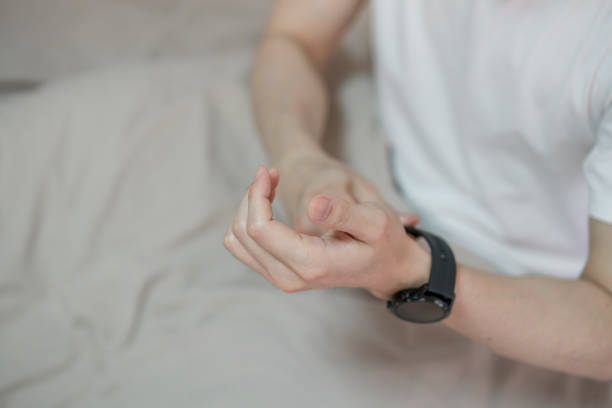
Let’s start with the stigma itself. The image of the dual-wrist wearer once belonged to watch collectors who wanted to show off two luxury pieces, or confused travelers trying to track two time zones. It looked eccentric, or worse, careless. But wearables have changed the game. Today, a fitness watch, a smart ring, or a dedicated sleep tracker is not a fashion statement. It is a medical-grade tool. Meanwhile, a traditional mechanical watch is often a sentimental heirloom or a deliberate style choice. The clash is not between two watches. It is between two different needs: the need to look polished at a business meeting versus the need to know how many hours of deep sleep you got last night.
The real solution to the stigma starts with clarity of purpose. No one blinks when a runner wears GPS-enabled glasses and a heart-rate strap. So why should wearing a classic dress watch alongside a health tracker be any different? The key is to assign each device a specific role. Your traditional watch handles time, aesthetics, and disconnection. It keeps you grounded in the analog world. Your wearable handles biometrics: heart rate variability, overnight oxygen saturation, sleep stages, and movement patterns. When you put them both on in the morning, you are not being redundant. You are being strategic. You are saying, “I value my appearance and my sleep health equally.”
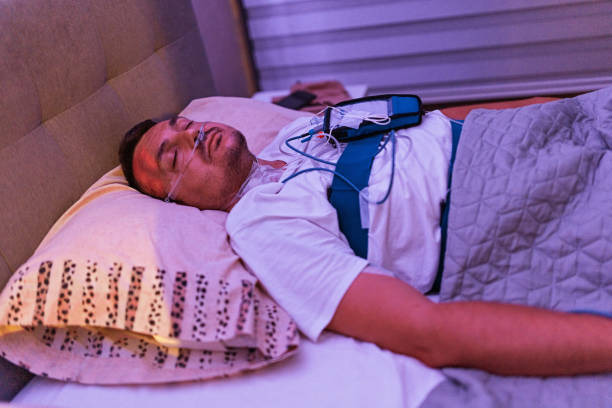
Now, here is where this connects to SleepGoals and our mission to help you get the best sleep possible. If you are in the market for a wrist-worn fitness and health watch, you likely want data that helps you understand why you wake up groggy, why your REM sleep is short, or how your late-night coffee habit ruins your recovery. A dedicated sleep tracker on your wrist is your best ally. But here is the trap: many people stop wearing their fitness watch at night because it feels bulky, uncomfortable, or clashes with their “off” time. They take it off to sleep, losing critical data. The solution? Wear a smaller, lighter sleep-focused band on one wrist and keep your everyday watch on the other. The stigma vanishes when you realize the second wrist is not for show—it is for science.
The social pressure to conform is real, especially in professional settings. If you are a manager, a nurse, or a teacher, the last thing you want is a colleague asking, “Why are you wearing two watches?” The best response is honest and friendly. Say something like, “This one is for style, and this one is for my sleep doctor. It tracks my breathing patterns at night. Can’t sleep without it.” That simple explanation reframes the conversation from fashion to function. People understand health data. They get preventive care. And in a country where one in three adults does not get enough sleep, wearing two watches starts to look less like a quirk and more like a proactive lifestyle choice.
On the SleepGoals website, under Wrist-Worn Fitness and Health Watches, we encourage you to embrace the double-wrist approach if it helps you monitor your sleep more consistently. The stigma is self-imposed. The solution is permission. Give yourself permission to wear the smart band that tracks your blood oxygen while you wear the gold watch your grandfather gave you. Neither device is the enemy of the other. They serve different masters. One tells you the hour. The other tells you how well you lived that hour, including how you rested.
Finally, remember that the most important watch is not the one on your wrist. It is the one inside your body—your circadian rhythm, your internal clock that craves consistency and darkness. A wearable helps you tune into that rhythm. A classic watch helps you respect it. Wearing both is not a stigma. It is a statement. A statement that you refuse to choose between looking good and sleeping well. And that is a solution worth wearing on both arms.
Dream Blog
Real sleep talk for real people.

Celebrating a Regular Bedtime Like Retirement
Catathrenia The Groaning Sound Mystery