The Secret to Hotel-Quality Sleep Is Hiding in Your Thermostat
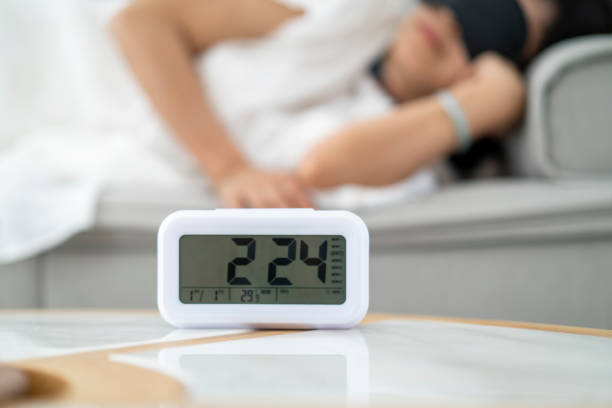
Think about the last great hotel you stayed in. The air felt clean, cool, and never stuffy. You probably didn’t notice it consciously, but that’s the point. The best hotel rooms are designed to be forgettable in the best way. They don’t force your body to work to regulate itself. Your sleep environment should be a silent partner in your rest, not a distraction. The science backs this up. Your core body temperature naturally drops as you fall asleep, and it continues to stay slightly lower during deep sleep and REM cycles. If your bedroom is too warm, your body has to work harder to shed heat, which delays sleep onset and can fragment your sleep stages. Most sleep experts recommend keeping your bedroom between 65 and 68 degrees Fahrenheit. That’s not a hard rule, of course. Some people sleep better at 69 or 70, especially if they run cold. But the principle is universal: a cool room signals to your brain that it’s time to rest.
So how do you translate that hotel feel into your own bedroom? First, take control of your thermostat. If you have a programmable or smart thermostat, set it to drop a few degrees about thirty minutes before bedtime. This mimics the gradual temperature decline you’d experience in a well-managed hotel. If you don’t have smart controls, a simple window fan or a ceiling fan set to low can do wonders. Moving air doesn’t just cool you through evaporation; it also prevents that stale, heavy feeling that makes you toss and turn. Many hotels have a quiet but consistent airflow that you barely notice—that’s what you’re after.
Humidity is the other half of the equation. Too much moisture in the air makes the room feel damp and sticky, and it can leave you sweaty after just a few minutes under a comforter. Too little humidity, especially in winter, leads to dry sinuses, scratchy throats, and cracked lips—all of which can wake you up. The sweet spot for sleep is around 40 to 60 percent relative humidity. You can measure this easily with a small hygrometer, but you can also listen to your body. Do you wake up with a dry mouth or a parched nose? Then you likely need a humidifier. Do you find your sheets feeling clammy even when you haven’t sweated? Then you need to pull moisture out of the air, either with a dehumidifier or by opening a window for a few minutes before bed.
Your bedding matters just as much as the air around it. Hotels know this, which is why they often use breathable natural fibers like cotton, linen, and bamboo. These materials wick moisture away from your skin and allow air to circulate, preventing heat from trapping against your body. That’s a critical part of the five-star experience. Synthetic sheets, by contrast, can hold heat and moisture, turning your bed into a personal sauna. If you tend to sleep hot, look for a mattress protector or a top sheet made from percale cotton—it has a crisp, cool feel, much like what you’d find in a luxury hotel. And your pillow? Down and down-alternative fill are designed to stay cool while providing support, whereas some memory foam pillows can get hot. During warmer months, consider switching to a cooling pillow with a breathable cover.
Another subtle trick from hotels: the blanket layering system. Instead of one heavy comforter, hotels often use a light sheet, a thin blanket, and a duvet. This gives you the freedom to adjust your coverage as your body temperature shifts through the night. You might start with the duvet, kick it off at 3 a.m., and pull it back up an hour later. That flexibility is a game changer. At home, keep an extra throw blanket at the foot of your bed or use a lighter duvet with a heavier blanket folded at the side. You’ll automatically create a microclimate that works for you, not against you.
Finally, don’t underestimate the power of a cool, dark, and quiet room. While temperature and humidity are the primary forces, they work in tandem with darkness and silence. A blackout curtain that blocks streetlights and early morning sun can lower the temperature of the room by preventing solar heat gain. A white noise machine or a simple fan can mask sudden sounds that pull you out of deep sleep. All of these factors work together to build that hotel-like sanctuary where your body knows exactly what to do: rest.
You don’t need a five-star price tag to get five-star sleep. You just need to pay attention to the invisible details. Set your thermostat, check your humidity, choose breathable fabrics, and layer your bedding. Then climb into bed, feel that cool, dry air wash over you, and let yourself drift off exactly the way you do at your favorite hotel—except this time, you never have to check out.
Dream Blog
Real sleep talk for real people.


Why Weekends Ruin Your Monday Morning

Why Your Core Temperature Must Drop