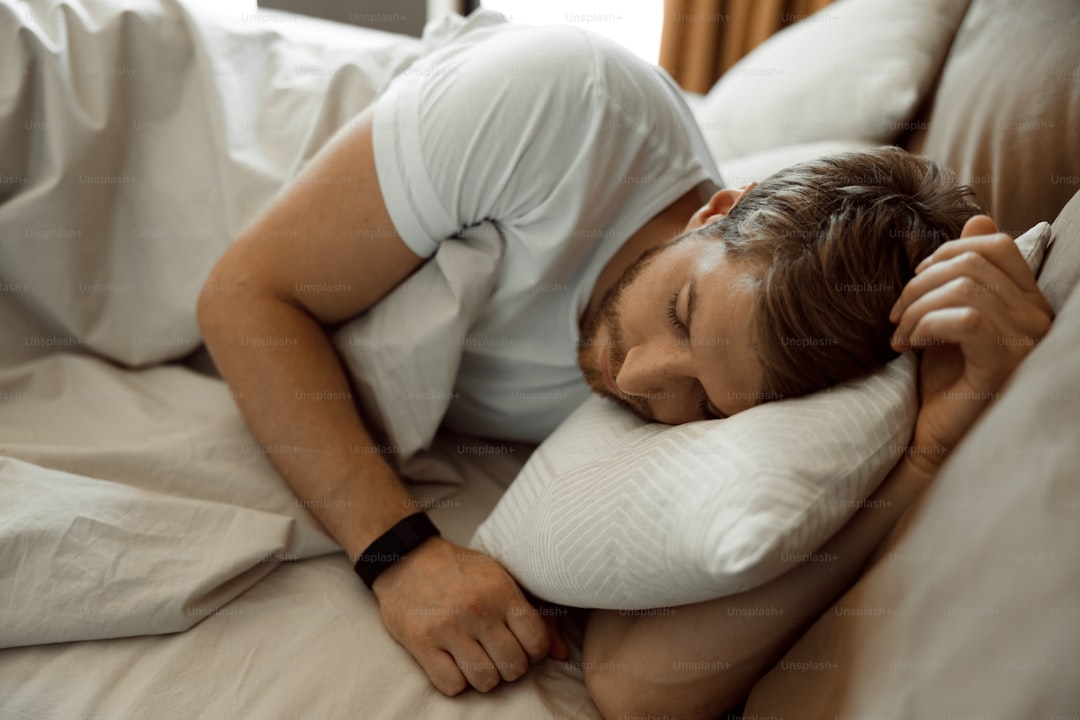
Mouth Taping and Myofunctional Therapy: A Natural Duo for Better Sleep
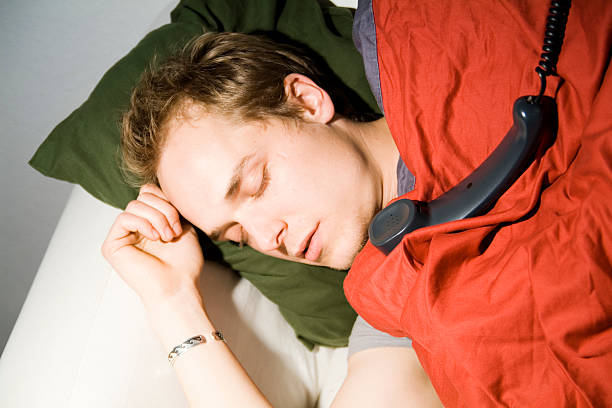
Mouth taping is exactly what it sounds like: you place a small strip of gentle, skin-safe tape over your lips before bed, training your body to breathe through your nose while you sleep. Nasal breathing is the body’s preferred method. The nose filters, warms, and moistens the air, and it also helps regulate carbon dioxide levels in the blood. When you breathe through your mouth, you bypass all those natural benefits. The result can be snoring, sleep apnea, or simply restless sleep. Mouth taping encourages your system to default back to nasal breathing, which often reduces snoring and helps you stay in the deeper, more restorative stages of sleep.
But mouth taping is not a magic fix. For many people, mouth breathing during sleep is a learned habit or a sign of an underlying issue, such as poor tongue posture or weak facial muscles. This is where myofunctional therapy comes in. Myofunctional therapy is a set of exercises designed to strengthen the muscles of the face, tongue, and throat. It focuses on teaching the tongue to rest in the correct position against the roof of the mouth, rather than falling back and blocking the airway. These exercises also improve swallowing mechanics and promote nasal breathing as a natural habit. By addressing the root cause of mouth breathing, myofunctional therapy makes mouth taping more effective and more comfortable.
Think of it this way mouth taping is like a training wheel for your sleep breathing, while myofunctional therapy is the muscle workout that makes the training wheel unnecessary. When you start taping your mouth at night, you might feel a bit claustrophobic or anxious. That is normal. Your body is used to taking the path of least resistance, which for many people means opening the mouth and letting the jaw drop. Myofunctional therapy helps rewire that response. Simple exercises, like pressing your tongue flat against the roof of your mouth and holding it there, or gently humming to encourage nasal airflow, can relax your facial muscles and prepare you for a night of taping.
The benefits of combining these two approaches go beyond just quieter sleep. Many people report waking up with more energy, better concentration, and a noticeable reduction in morning headaches. Some users of mouth taping find they also experience fewer cavities and less gum inflammation, because breathing through the nose keeps saliva production steady and prevents the mouth from drying out during the night. Myofunctional therapy adds another layer, potentially reducing the severity of mild sleep apnea and eliminating chronic snoring. For anyone who has been told they sound like a chain saw when they sleep, this duo can be life-changing.
Of course, you should approach both methods with common sense. Mouth taping is not recommended for anyone with severe sleep apnea, uncontrolled nasal congestion, or chronic respiratory conditions. If you are not sure whether it is safe for you, talk to your doctor first. Start with a small piece of tape, just enough to gently remind you to keep your lips closed. There are even specially designed sleep tapes with a small hole in the middle, so you can exhale through your mouth if you need to. As for myofunctional therapy, you can find guided exercises online or work with a trained therapist. Many people see progress within a few weeks, but consistency is key. Practicing tongue postures and breathing drills in the car, at your desk, or while watching television can build the muscle memory needed for permanent change.
The most important thing to remember is that better sleep is not about forcing your body into a rigid routine. It is about giving your body the tools it needs to do what it already knows how to do. Nasal breathing is natural. Your muscles are designed to hold your tongue in a healthy position. But modern habits, allergies, mouth breathing from stress, and even the way we hold our heads while looking at phones have pushed us off track. Mouth taping and myofunctional therapy are two simple, natural ways to get back to the basics of healthy breathing. They are not a cure-all, but for many people, they represent a gentle, non-invasive path to waking up feeling refreshed. If you have been struggling with restless nights and you are looking for something beyond pills or gadgets, give this pair a chance. Your nose, your tongue, and your entire body will thank you with the best sleep you have had in years.
Dream Blog
Real sleep talk for real people.

How Moisture-Wicking Sheets Keep You Cool and Dry
Why Skipping Sleep Is Quietly Killing Your Career Potential