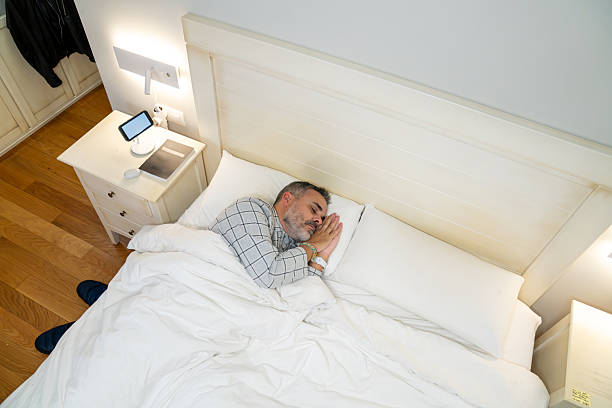
How Moisture-Wicking Sheets Keep You Cool and Dry
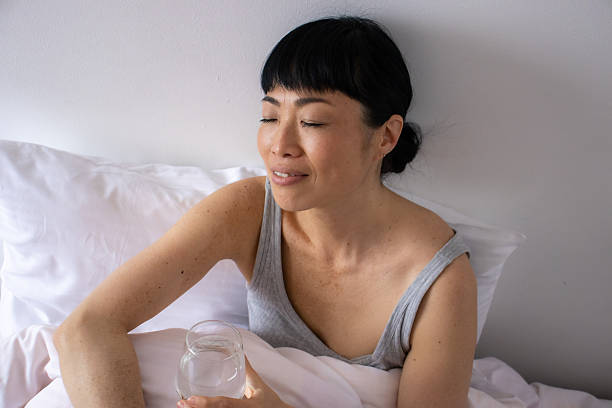
So what exactly does “moisture-wicking” mean? It sounds technical, but the idea is simple. When you sleep, your body temperature naturally dips, but if your bedding traps heat and moisture, that drop never happens the way it should. Regular cotton, for all its softness, tends to absorb sweat like a sponge. It holds that moisture against your skin, and as it sits there, it evaporates slowly—if at all. That’s why you wake up feeling clammy and hot. Performance textiles, on the other hand, are engineered to pull sweat away from your body and spread it across the surface of the fabric, where it can evaporate quickly. This process, called capillary action, works because the fibers in these fabrics are specially designed with tiny channels that transport moisture away from the source. Instead of pooling under your back, the sweat moves outward, allowing your skin to stay dry and your body to regulate its temperature naturally.
But moisture-wicking alone isn’t enough. You also need breathability. Think of breathability as the fabric’s ability to let air flow through, carrying heat and humidity away from your body. A sheet can wick moisture all day long, but if it’s airtight, you’ll still feel trapped. The best performance textiles combine moisture management with open, airy structures that promote ventilation. Many use a loosely woven or knitted construction, which creates micro-gaps that allow air to circulate. Others rely on specially engineered yarns that have built-in air pockets. The result is a fabric that feels light and airy, almost as if you’re sleeping without any sheets at all—but with the soft, comforting touch you want.
Now, you might be wondering about the materials themselves. When you see “performance” on a label, it often means synthetic fibers like polyester, nylon, or a blend. These synthetics are inherently water-resistant, which paradoxically makes them great at wicking. Because they don’t absorb water the way cotton does, moisture stays on the surface of the fiber and spreads out. Then there’s a newer category called “smart” textiles, which incorporate things like Tencel, bamboo viscose, or even treated wool. These are more natural but still engineered to wick and breathe. Tencel, for example, is made from wood pulp and has a smooth, moisture-absorbing structure that also dries quickly. Bamboo viscose is similarly known for its softness and temperature-regulating properties. The key is to look for sheets with a tight weave but a lightweight feel—too dense and air gets trapped, too loose and the fabric might not wick efficiently.
The benefits go beyond just comfort. When you stay dry and cool, you stay asleep longer. Your body spends more time in deep, restorative stages of sleep, which are critical for memory, mood, and physical recovery. Overheating can also trigger restless leg movements and frequent waking, which throws off your sleep architecture. By investing in moisture-wicking sheets, you’re essentially giving your body the environment it needs to do its overnight work without interruptions. And let’s be honest—there’s something wonderful about slipping into a bed that feels fresh and dry, even in the middle of a humid summer night.
A few practical pointers can help you get the most out of these textiles. Always check the care label. Most performance fabrics are easy to wash, but avoid fabric softeners. You might think softeners make things comfier, but they actually leave a coating that clogs the tiny wicking channels and destroys the fabric’s ability to move moisture. Use a gentle detergent, and skip the dryer sheets for the same reason. Also, consider layering. A moisture-wicking fitted sheet paired with a lightweight, breathable comforter or a cooling blanket can create a perfect microclimate. And don’t forget about your pillowcase—that’s where a lot of facial sweat and heat accumulates, so a performance pillowcase can make a surprisingly big difference.
If you’ve been waking up in “dead man’s puddle” on sweltering nights, or if you simply want to take your sleep quality up a notch, moisture-wicking performance textiles are an easy, low-tech upgrade. They’re not a miracle cure for every sleep issue, but they directly address one of the most common culprits of poor sleep: being too hot and too damp. With the right sheets, you can stop fighting your bedding and start getting the deep, uninterrupted rest that your body craves. So the next time you’re comparing thread counts and weaves, pay close attention to the fabric’s moisture-wicking and breathability specs. Your future, well-rested self will thank you.
Dream Blog
Real sleep talk for real people.

Data Sharing With Your Real Doctor
Morning Neck Pain? Your Pillow Loft Might Be the Culprit