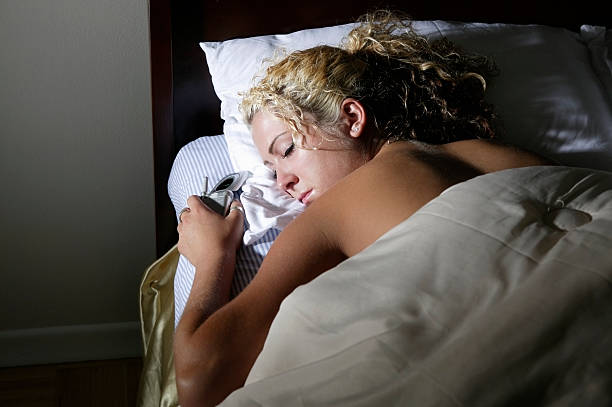
Morning Sunlight: Your Body’s Natural Alarm Clock
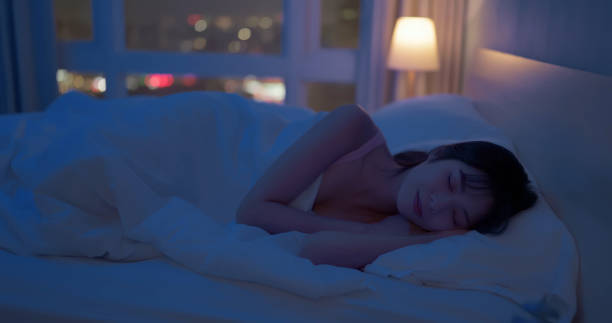
Think of your body’s internal clock, the circadian rhythm, as a highly sensitive thermostat for sleep and wakefulness. That clock needs a daily reset to stay in sync with the outside world, and the most reliable signal it uses is light. When light hits your eyes, especially the bright outdoor kind, it sends a direct message to the brain’s suprachiasmatic nucleus, the master clock. That message says, “It’s daytime, wake up.“ In response, cortisol rises naturally to help you feel alert, and the production of melatonin, the sleep hormone, gets pushed back to later in the evening. Without that morning signal, your clock drifts, and you end up feeling sleepy at odd hours or alert when you should be winding down.
Here is where most Americans get it wrong. We wake up, roll over, and immediately look at our phones or tablets. Those screens emit blue light, which is actually similar to sunlight in its ability to suppress melatonin. But the problem is that the light from a phone is dim compared to the sun, and it is often positioned at eye level in a way that can confuse the brain. More importantly, you are missing out on the sheer intensity of natural light. A bright, cloudy morning outdoors can be ten times brighter than your home’s lighting, and a sunny morning can be a hundred times brighter. That intensity matters. To trigger a strong circadian response, you need enough lux, which is the measure of light brightness. A typical living room might give you around 300 to 500 lux. Standing outside on a clear morning gives you anywhere from 10,000 to 100,000 lux. Your brain notices that difference.
So what should you do? Aim to get outside within the first thirty to sixty minutes after waking up. You do not need to stare at the sun, and you should never look directly at it. Just step outside, maybe with a cup of coffee, and let the daylight hit your face and eyes for about ten to fifteen minutes. If the sky is overcast, give it a little longer, twenty to thirty minutes. Even a walk around the block counts. The point is to expose your retinas to that bright, natural light. On days when that is impossible, a light therapy lamp that gives off at least 10,000 lux can be a decent substitute, but nothing beats the real thing.
The benefits of this simple habit extend far beyond feeling more awake in the morning. Consistent morning light exposure helps anchor your body’s rhythm so that melatonin naturally rises in the evening at the right time. That means you will feel sleepy when you get into bed, fall asleep faster, and experience deeper, more restorative deep sleep. It also helps regulate your mood. Studies have shown that morning sunlight is linked to lower rates of depression and higher overall energy levels. Plus, it makes your caffeine work better, since your body is already on board with being alert, which means you may need less coffee to get going.
There is a flip side to this as well. If you flood your brain with light in the morning, you have to be consistent about dimming things down at night. Bright screens and harsh overhead lights in the evening can confuse that same clock, telling it that the sun is still up. That is why pairing morning light exposure with a dim, warm evening routine is such a powerful combo. Your body starts to understand exactly when day starts and when night begins.
For many people, simply shifting light exposure habits is the single biggest improvement they can make for their sleep. It takes almost no effort. You do not need special equipment or expensive gear. Just a few minutes outside in the morning, done consistently, retrains your internal clock and makes every sleep stage more efficient. And because your circadian rhythm affects nearly every system in your body, from metabolism to immunity, that morning walk does far more than improve your sleep. It sets up your entire day for success.
So tomorrow morning, instead of grabbing your phone the second you wake up, consider stepping outside first. Let your eyes drink in the early light. Your brain will thank you, and your pillow will feel even better when night rolls around.
Dream Blog
Real sleep talk for real people.

Rideshare Drivers and Sleep Responsibility
The Split Sheet Solution: A Simple Path to Better Sleep for Couples