Rideshare Drivers and Sleep Responsibility
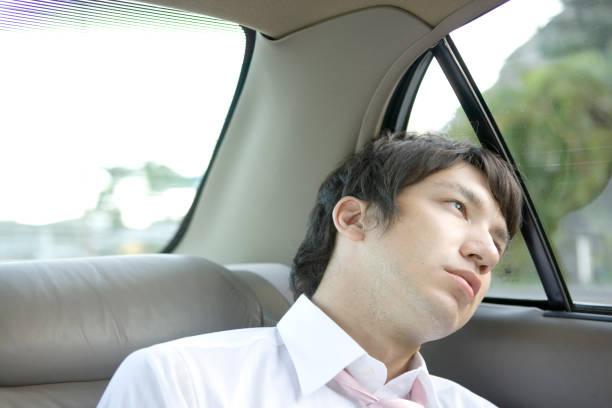
Sleep deprivation among rideshare drivers is a growing concern. Unlike commercial truck drivers who are federally regulated by hours-of-service rules, rideshare drivers operate with far fewer restrictions. A driver can technically complete trips all night, nap in their car for an hour, and then keep driving the next morning. This flexibility, while appealing, creates a perfect storm for chronic fatigue. Studies show that being awake for eighteen hours straight impairs your driving ability to a level comparable to a blood alcohol concentration of 0.05 percent. After twenty-four hours without sleep, that impairment matches 0.10 percent—well above the legal limit. No passenger would willingly get into a car with a drunk driver, yet many unknowingly ride with a sleep-deprived one.
The responsibility for rest falls on the driver, but the consequences ripple outward. Fatigued driving slows reaction times, reduces attention to the road, and increases the likelihood of microsleeps—brief, involuntary lapses in consciousness that can last several seconds. At highway speeds, a three-second microsleep means traveling the length of a football field without any awareness. For rideshare drivers who navigate busy city streets, unpredictable traffic, and late-night passengers, the risks are amplified. A tired driver is more likely to miss a red light, fail to see a pedestrian, or misjudge a turn. This is not a minor inconvenience; it is a public safety crisis that can lead to serious collisions.
Sleep responsibility also affects passenger experience and driver earnings. A well-rested driver provides a smoother, safer ride, which leads to better ratings and more tips. Conversely, an exhausted driver may be irritable, less conversational, or prone to erratic driving. Passengers can often sense when something is off, and that unease can translate into negative reviews. In the long run, prioritizing sleep is not just about safety—it is good business. Drivers who treat rest as a non-negotiable part of their workday tend to have higher job satisfaction, fewer accidents, and more consistent income.
The science of sleep reinforces why this matters. During deep sleep, the brain clears out metabolic waste, consolidates memories, and repairs neural connections. Without adequate rest, cognitive functions degrade steadily. Decision-making becomes sluggish, risk assessment becomes skewed, and multitasking—a critical skill for navigating traffic—suffers. For a rideshare driver, these deficits are dangerous. A split-second decision to brake or swerve can mean the difference between a close call and a catastrophe. No amount of caffeine or loud music can fully compensate for the body’s need for restorative sleep.
So what can be done? The solution starts with individual accountability. Rideshare drivers should set firm boundaries on their driving hours, just as they would set limits on alcohol consumption. A good rule of thumb is to take a fifteen-minute break for every two hours of driving, and to never drive after being awake for more than sixteen hours. Scheduling a seven-hour sleep block before a shift is essential, not optional. Drivers should also learn to recognize the warning signs of fatigue: heavy eyelids, frequent yawning, drifting between lanes, or missing exits. When these signs appear, the only responsible action is to pull over and rest.
Passengers also have a role to play. If a driver seems excessively tired, it is reasonable to politely ask if they are okay or consider canceling the ride and requesting another. While it may feel awkward, your safety is worth more than a few minutes of inconvenience. Rideshare companies share this responsibility as well. They can promote sleep education through in-app reminders, incentivize breaks, and implement maximum shift limits that go beyond what is legally required.
Sleep is not a luxury you can sacrifice for productivity. It is a biological necessity that underpins every safe mile driven. For rideshare drivers, embracing sleep responsibility is a commitment to public safety. For passengers, it is a reminder that every ride depends on a driver who is alert, rested, and ready to get you home. America’s roads are safer when everyone—driver, company, and passenger alike—treats sleep as the foundation of safe travel.
Dream Blog
Real sleep talk for real people.



Chamomile Extracts Stronger Than Tea