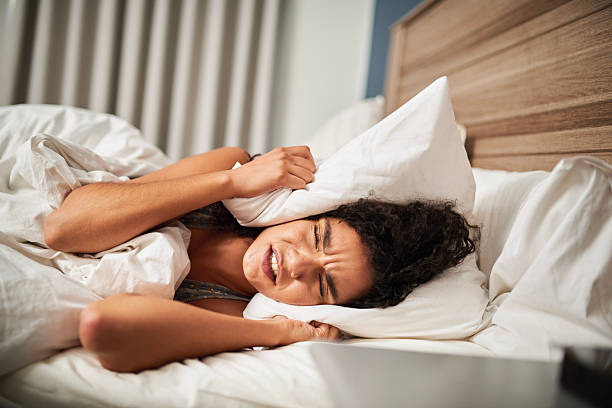
The Philips Recall and CPAP Alternatives
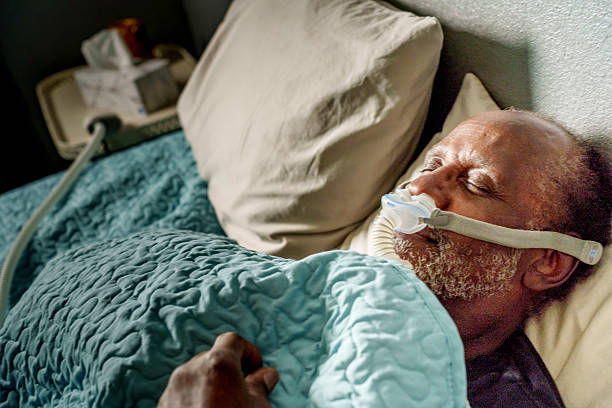
For many adults, the most common cause of poor sleep is obstructive sleep apnea, a condition where the throat muscles relax and block the airway during the night. This can happen hundreds of times per hour, jolting you out of deep sleep without you even realizing it. Other breathing-related issues include central sleep apnea, where the brain fails to send proper signals to the breathing muscles, and upper airway resistance syndrome, where the airway narrows but doesn’t fully close. These conditions share similar symptoms: loud snoring, gasping for air, daytime fatigue, and trouble concentrating. But they also share a common solution: positive airway pressure therapy, typically delivered by a CPAP machine.
That’s where the Philips recall comes in. In 2021, Philips Respironics recalled millions of CPAP and BiPAP devices because the foam used to reduce noise could break down and be inhaled or ingested, posing potential health risks. For users relying on these machines to breathe safely at night, this was alarming. Many people suddenly found themselves without a trusted device, forced to explore CPAP alternatives. This event has spotlighted a broader truth: your breathing equipment is only as good as your sleep quality, and when that equipment fails, poor sleep can spiral into serious health problems.
If you’re among those affected by the recall, or simply looking for better sleep, you have several alternatives. One popular option is the use of oral appliances, which fit like a mouthguard and reposition your jaw or tongue to keep the airway open. These are often recommended for mild to moderate sleep apnea and can be a comfortable, quiet alternative to a CPAP machine. Another option is positional therapy, which encourages you to sleep on your side instead of your back, since back sleeping can worsen airway collapse. You might also consider nasal strips or nasal dilators, which physically open the nostrils to improve airflow, especially if your breathing issues are linked to congestion.
For more severe cases, some people explore surgical options like tonsillectomy, uvulopalatopharyngoplasty, or implantable devices like the Inspire hypoglossal nerve stimulator. These are more invasive but can be life-changing for those who cannot tolerate CPAP. Lifestyle changes also play a huge role. Losing weight, avoiding alcohol before bed, and sleeping on your side can significantly reduce apnea episodes. Even simple steps like elevating your head with a specialized pillow or using a humidifier can make a big difference.
If you’re navigating the Philips recall, it’s wise to consult your sleep specialist or dentist to find the right alternative for your specific anatomy and apnea severity. The recall has also accelerated innovation in sleep technology, with newer devices incorporating quieter motors, heated tubing, and advanced foam-free designs that prioritize safety. The key is to not ignore poor sleep symptoms while you wait for a replacement. Instead, take action by exploring non-CPAP therapies, improving your sleep hygiene, and monitoring your sleep with wearables to track oxygen levels and breathing patterns.
Poor sleep from breathing issues isn’t just about feeling tired. It’s linked to high blood pressure, heart disease, stroke, and even memory problems. By addressing the root causes and finding alternatives to faulty equipment, you can protect your health and finally achieve the restorative sleep you deserve. At SleepGoals, we’re here to help you navigate these challenges with clear, practical advice. Whether you’re dealing with a recalled device or simply wondering why you’re not sleeping well, remember that better breathing is the foundation of better sleep—and better sleep is the foundation of a better life.
Dream Blog
Real sleep talk for real people.

How Sleep Resets Your Brain for Sharper Thinking and Better Moods
Why Valerian Root Might Be the Gentle Sleep Aid You’ve Been Looking For