How AI Sleep Coaches Turn Your Nightly Rest into a Personalized Success Story
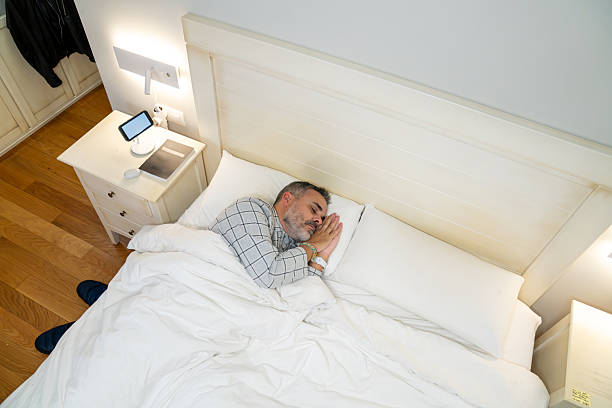
The core idea is simple. Instead of generic advice like “sleep eight hours” or “avoid caffeine,“ an AI coach looks at your unique patterns. It notices that your heart rate spikes every night around 3 a.m. after that second glass of wine. It sees that your skin temperature rises when you exercise too close to bedtime. It figures out that your ideal sleep window is 10:15 p.m. to 6:30 a.m., not the midnight to 8 a.m. schedule you keep forcing. Then it offers gentle, specific nudges tailored to you.
One powerful feature is adjusting bedtime recommendations in real time. Many AI sleep coaches use personalized chronotyping. Instead of calling you an early bird or night owl, they analyze your movement, light exposure, and heart rate variability to map your circadian rhythm down to the minute. You might get an alert: “Your best window to wind down starts in 45 minutes. Your temperature is dropping and melatonin is rising. Head to bed a little earlier.“ That is not generic advice. That is your biology talking.
AI sleep coaches also excel at sleep debt management. Most people think of sleep debt as total hours lost. But your coach tracks the quality of sleep you actually got. If you had a stressful week with shallow sleep, it might recommend a recovery nap or a slightly earlier bedtime for the next three days. It also spots patterns that lead to poor sleep, like late-night scrolling or heavy meals close to bed. Over time, it learns which habits have the biggest impact on your particular sleep architecture.
What makes these coaches feel personal is their conversational interface. Many apps let you talk to your sleep coach like a friend. Say, “I felt groggy all day,“ and the AI cross-references your sleep stages, oxygen levels, and step count to give a plausible explanation. Then it offers a small experiment for tonight. Maybe a warm shower an hour before bed, because your data shows that helps your core temperature drop. Or it might ask you to skip the nightcap, since your sleep efficiency falls by 12 percent on drinking nights.
These coaches also help with consistency, which is the biggest struggle for many healthy sleepers. They use positive reinforcement and habit stacking. Instead of scolding you for staying up late, they celebrate small wins. Did you get seven and a half hours? Did you wake up without hitting snooze? The AI adjusts your target for tonight and encourages you to keep momentum. This friendly, non-judgmental approach beats guilt trips for most American adults already stressed about their schedules.
Of course, there are limitations. AI sleep coaches are not medical devices. They cannot diagnose sleep apnea or other disorders. But they can flag warning signs, like breathing irregularities or low oxygen levels, and encourage you to see a doctor. That is a practical, useful role. The data is only as good as the wearable itself, so choose a reliable device. But once you have one, the coaching becomes a genuine partnership between you and your digital guide.
For anyone overwhelmed by all the sleep advice out there, personalized AI coaching offers a clear path. It strips away one-size-fits-all rules and focuses on what works for you. You are not trying to become a perfect sleeper. You are trying to get the best sleep for your life, your schedule, and your body. That is exactly what these coaches are designed to do. As technology improves, your AI coach will become even more intuitive, maybe predicting your sleep needs before you know them. For now, taking a closer look at your wearable’s coaching feature is a simple, friendly next step toward better rest. That is a promise worth keeping. It starts with a single night.
Dream Blog
Real sleep talk for real people.

Helix Midnight for Side Sleepers
Yoga Poses You Do in Pajamas