The Hidden Danger of Microsleeps Behind the Wheel
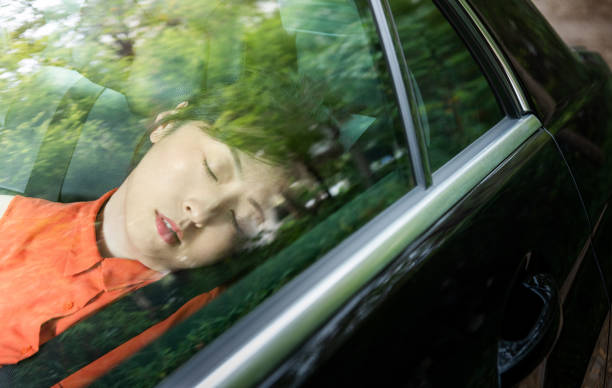
Microsleeps are brief, involuntary episodes of sleep that last anywhere from a fraction of a second to several seconds. They are not a choice. Your brain simply shuts down, forcing you into a state of unconsciousness even while your body remains upright in the driver’s seat. During a microsleep, your eyes may close halfway, you might miss a turn, or you could drift into another lane without any memory of doing so. The scariest part is that you often do not realize it is happening until it is too late.
Many people assume that drowsy driving mainly affects long-haul truckers or people pulling all-nighters. But the truth is that everyone is vulnerable. A new parent driving home after a sleepless night, a shift worker heading out after twelve hours on the job, or a college student driving back to campus after an all-nighter of cramming—all of them are at risk. In fact, studies show that people who are sleep deprived are just as impaired as those who are legally drunk. After eighteen hours without sleep, your reaction time and judgment rival someone with a blood alcohol concentration of 0.05 percent. After twenty-four hours, that number climbs to 0.10 percent, well over the legal limit in every state.
The statistics are sobering. According to the National Highway Traffic Safety Administration, drowsy driving causes tens of thousands of crashes each year in the United States, with thousands of fatalities. But many experts believe the real numbers are much higher because there is no simple test to prove that a driver was sleepy at the time of a crash. Unlike alcohol, which can be measured through a breathalyzer, sleepiness leaves no trace after the fact. So what often gets blamed as careless driving or bad weather might actually be the result of a driver nodding off.
Microsleeps are particularly dangerous because they strike without warning. You cannot predict them, but you can recognize the signs that they are about to happen. Frequent yawning, heavy eyelids, drifting between lanes, missing exits, or suddenly realizing you do not remember the last few miles are all red flags. Your body is trying to tell you that it needs rest. If you notice any of these signs while driving, the only safe response is to pull over as soon as possible. Rolling down the windows, turning up the music, or slapping your own face might help for a minute, but none of these tricks can overcome the basic biological need for sleep. The only cure for sleepiness is sleep.
There is also a misconception that you can train yourself to fight off a microsleep through willpower or caffeine. While caffeine can provide a temporary boost, it takes about thirty minutes to kick in and its effects fade quickly. A cup of coffee might give you enough alertness to reach the next rest stop, but it is not a substitute for rest. If you are truly exhausted, even the strongest espresso will not keep your brain awake when it is demanding sleep.
If you find yourself frequently experiencing drowsy driving, it is time to look at your overall sleep habits. Most American adults need between seven and nine hours of quality sleep per night, yet millions consistently get less. Chronic sleep deprivation lowers your baseline alertness, making microsleeps more likely even during the day. Improving your sleep schedule, creating a dark and cool bedroom, and limiting caffeine in the afternoon can all make a difference. And if you are having trouble sleeping despite your best efforts, it may be worth talking to a doctor about conditions like sleep apnea, which can cause severe daytime sleepiness.
Public safety is not just about your own well-being. When you get behind the wheel, every other driver, passenger, cyclist, and pedestrian is trusting you to make good decisions. A microsleep can turn that trust into a tragedy in less than a heartbeat. The next time you feel even slightly drowsy, remember that the road will still be there after you take a twenty-minute nap. Your life, and the lives of everyone around you, are worth far more than the time you might save by pushing through. Sleep is not a luxury; it is a lifesaving necessity.
Dream Blog
Real sleep talk for real people.


Zoned Lumbar Support Systems Explained

Magnesium Glycinate Before Bed Explained