Why Your Commute Is More Dangerous Tired
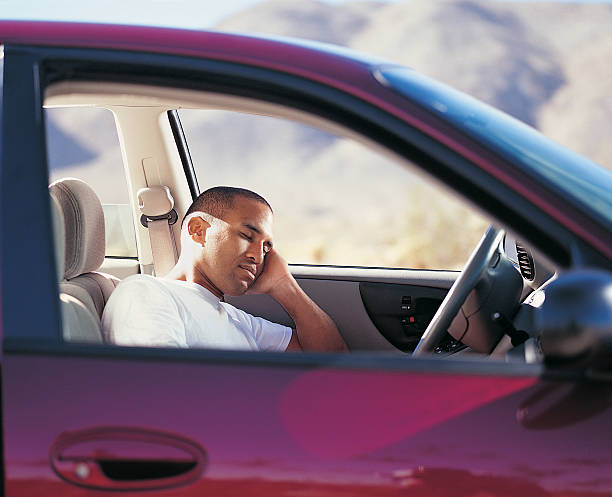
When you are sleep-deprived, your brain does not function the same way it does when you are well-rested. Your reaction time slows. Your ability to pay attention drops. And your judgment becomes impaired. This combination is a recipe for trouble on the road. On a typical commute, you constantly make split-second decisions: when to brake, when to change lanes, how to react to a car cutting in front of you. A tired brain handles these decisions poorly. Studies show that being awake for 18 hours straight produces impairment similar to having a blood alcohol concentration of 0.05 percent. After 24 hours awake, you are roughly equivalent to someone with a 0.10 percent BAC—legally drunk in every state. Yet many people drive to work after less than six hours of sleep, believing they are fine.
What makes tired driving especially insidious is that you often do not realize how impaired you are. Sleep deprivation affects the part of your brain responsible for self-awareness. That means you can be dangerously drowsy and still think you are driving perfectly well. You may not even notice when your eyelids droop or when you drift between lanes. Microsleeps—brief episodes of sleep lasting just a few seconds—are common in tired drivers. At highway speeds, a three-second microsleep means you travel the length of a football field without any awareness of the road. That is more than enough time to cause a serious accident.
The problem is widespread because American adults are chronically sleep-deprived. According to the Centers for Disease Control and Prevention, one in three adults does not get the recommended seven or more hours of sleep per night. Work demands, family obligations, and screen time all contribute. But the cost of this sleep debt shows up directly in your commute. When you drive tired, you are not just putting yourself at risk. You are endangering every other person on the road. Pedestrians, cyclists, and other drivers all depend on your alertness.
The good news is that you can take simple steps to protect yourself. First, prioritize sleep as part of your work performance. If you are too tired to drive safely, you are too tired to work effectively. Make sleep a non-negotiable part of your daily routine. Aim for seven to nine hours each night. If you know you have a busy week ahead, adjust your bedtime earlier rather than trying to catch up on weekends. Second, recognize the warning signs of drowsy driving. If you find yourself yawning repeatedly, having trouble keeping your eyes open, drifting from your lane, or missing exits, pull over immediately. A short nap of 15 to 20 minutes can restore enough alertness to get you home safely. Caffeine can help temporarily, but it is not a substitute for sleep. Third, consider alternative transportation on days when you are especially tired. Taking a ride-share, public transit, or asking a colleague to drive might feel inconvenient, but it is far better than risking a crash.
If you struggle with chronic sleepiness despite getting enough hours, talk to your doctor. Conditions like sleep apnea, insomnia, or restless leg syndrome can undermine sleep quality even when you spend enough time in bed. Treating these issues can dramatically improve your daytime alertness and make your commute safer.
Your commute is supposed to get you from home to work and back again. It should not be the most dangerous part of your day. By taking sleep seriously, you protect yourself and everyone else on the road. At SleepGoals, we believe that great sleep is the foundation of safety, performance, and well-being. When you sleep well, you drive better. You work better. You live better. So tonight, give yourself the gift of a full night’s rest. Tomorrow morning, your commute will thank you.
Dream Blog
Real sleep talk for real people.


Less Snoring for a Happier Marriage

How to Choose a Pillow That Won’t Make You Sneeze