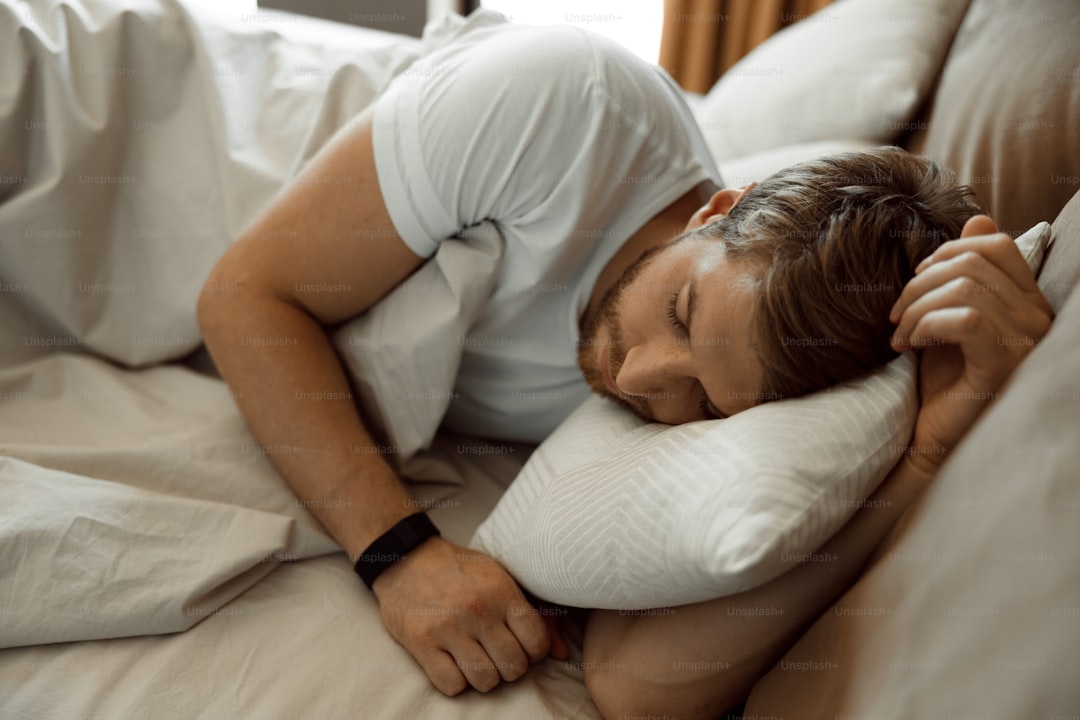
Cortisol Spikes During 2 AM Anxiety

Cortisol is often called the stress hormone, but that nickname sells it short. In reality, cortisol is a vital part of your body’s internal clock, known as the circadian rhythm. Think of it as nature’s morning alarm. Normally, your cortisol levels begin to rise gently in the early morning hours, around three or four AM, to help you wake up feeling alert and ready for the day. By the time your feet hit the floor, cortisol has already given your body a gentle push, mobilizing energy and sharpening your focus. This is a good thing when it works on schedule. The problem starts when your body mistakes the middle of the night for a crisis.
When you wake up anxious at 2 AM, your body is experiencing what researchers call a cortisol awakening response, but at the wrong time. Your hypothalamus, a tiny but powerful region in your brain, sees a threat. Maybe it is a looming work deadline, a financial worry, or even a vague sense of unease that you carried to bed. Your brain cannot tell the difference between a real physical threat and a psychological one. In response, your pituitary gland signals your adrenal glands to release a surge of cortisol. This hormone floods your system and instantly raises your heart rate, increases your blood pressure, and releases glucose into your bloodstream. Your body is preparing to fight or flee, but you are just lying in bed.
The timing is the cruelest part of this cycle. Around 2 AM, your body is finishing its first deep sleep cycle and entering a lighter stage of sleep, often REM. During this lighter sleep, your brain is more accessible to waking stimuli. A small worry that you might have brushed aside during the day can suddenly feel enormous. The cortisol spike also directly opposes the action of melatonin, the hormone that helps you feel drowsy and stay asleep. Where melatonin is like a gentle lullaby, cortisol is a loud fire alarm. Once that alarm sounds, getting back to sleep becomes a biochemical battle.
So, what can you do about this midnight hormone hijack? The good news is that you can train your body to handle these 2 AM awakenings with less drama. The key is not to fight the cortisol directly, but to calm the system that triggers it. One of the most effective strategies is to practice relaxation techniques before bed. Deep breathing exercises, particularly the 4-7-8 method where you inhale for four seconds, hold for seven, and exhale for eight, can lower your baseline cortisol levels before you even climb into bed. This gives your body a head start against the 2 AM surge.
Another powerful tool is resetting your expectations. When you wake up at 2 AM and immediately feel anxious, try not to label the experience as a disaster. Instead, remind yourself that this is just a biological response. Your body is not attacking you; it is simply misreading the situation. If you can avoid checking the clock, avoid turning on bright lights, and avoid reaching for your phone, you give your brain a chance to realize there is no tiger in the room. A cool, dark, and quiet bedroom environment also helps limit any extra sensory stimulation that might reinforce your brain’s false alarm.
Finally, consider your daytime habits. High stress during the day, especially in the hours after dinner, keeps your cortisol levels elevated when they should be falling. If you spend your evening scrolling through stressful news or worrying about tomorrow’s tasks, you are essentially priming your adrenal glands for a midnight fireworks show. Instead, wind down with something soothing, like reading a physical book or taking a warm bath. Your body needs time to transition from daytime cortisol production to nighttime melatonin dominance.
At SleepGoals, our mission is to help you understand the hidden forces that control your night. Cortisol is not your enemy. It is a powerful hormone designed to protect you. But when it fires at the wrong time, it can turn your peaceful night into a restless battlefield. By understanding the science of the 2 AM spike and taking small, consistent steps to calm your nervous system, you can reduce those anxious awakenings and reclaim the deep, restorative sleep you deserve. Your body is listening. You just have to give it the right signals.
Dream Blog
Real sleep talk for real people.

Michael Sealey and Popular Hypnotists