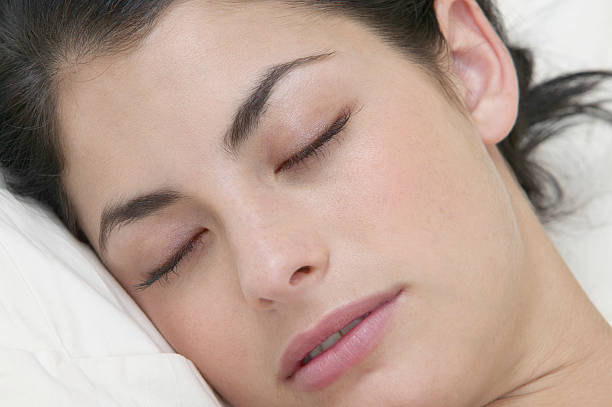
Apple Watch Sleep Stages Reviewed
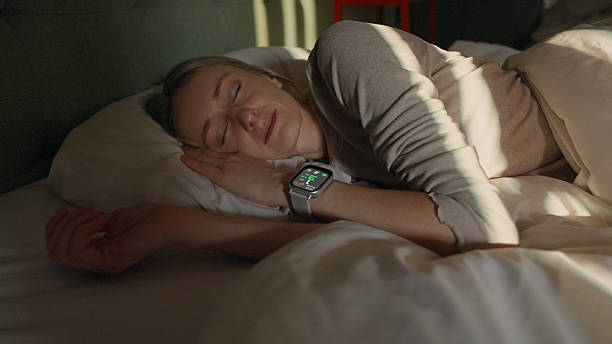
The idea of monitoring sleep sounds simple, but it’s surprisingly complex. You need more than a guess about how many hours you spent in bed. The Apple Watch uses a combination of sensors, including an accelerometer and heart rate monitor, to detect when you fall asleep, wake up, and cycle through the different stages of rest. Unlike older trackers that simply estimated total sleep time, this watch identifies deep sleep, light sleep, REM sleep, and time spent awake. For someone like me, who wakes up feeling groggy even after eight hours, this level of detail was eye-opening. Instead of just knowing I slept seven hours, I could see that I only spent forty minutes in deep sleep, which explained my midday crash.
What makes the Apple Watch stand out in the Wearable Trackers Face-Off category is its integration with the iPhone Health app. You wake up, check your wrist, and a clean graph shows you exactly when you entered deep or REM sleep. There’s no complicated setup, just wear it to bed and charge it during your morning routine. The watch also learns your typical sleep schedule over time, offering prompts to wind down before bedtime. For American adults juggling work, family, and screen time, that gentle nudge is more helpful than you might think. It reminds you that optimizing sleep starts with consistent timing, even if you think you can function on chaos.
But is it perfect? No. The Apple Watch requires a snug fit and a full battery charge, which means you might skip a night if you forget to charge it. It also doesn’t track sleep if you nap during the day, which is a missed opportunity for shift workers or parents of young kids. Still, for the majority of people, this device offers a way to monitor sleep without obsessing over numbers. The watch’s strength is its simplicity. It won’t tell you to buy a new mattress or change your pillow, but it will show you patterns. For example, I noticed that nights I drank alcohol after eight PM had less REM sleep. That small insight motivated me to cut back, and my mornings improved.
In the broader context of sleep science, monitoring sleep with a wearable like the Apple Watch bridges the gap between guesswork and actionable data. Many common causes of poor sleep, like inconsistent bedtimes or late caffeine, become obvious when you see them graphed out over a week. The watch doesn’t diagnose sleep apnea or other medical conditions, but it encourages you to ask better questions. If your deep sleep is consistently low, you might look at your evening routine, your pillow height, or your room temperature. This is where SleepGoals comes in, connecting the dots between your wearable data and real changes like adjusting your cooling sheets or mattress.
The future of sleep tracking is bright, and the Apple Watch is a leader in making it mainstream. It doesn’t promise magic, just information. For American adults who want a straightforward way to monitor sleep without feeling like a lab subject, this is it. After my review, I’ve kept wearing mine every night. My sleep scores aren’t perfect, but I finally understand why. And that understanding is the first step to better rest. Whether you are a tech enthusiast or a skeptic, give the Apple Watch Sleep Stages a try for two weeks. You might find that the data you’ve been missing is right on your wrist, ready to help you sleep better tonight.
Dream Blog
Real sleep talk for real people.

How Sleep Drives Your Fitness Results
Periodic Limb Movements You Don't Feel