Asthma Friendly Certifications to Trust
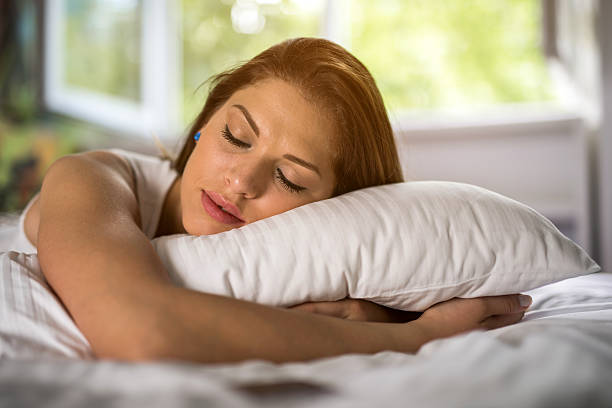
First, understand why pillows are such a hotspot for asthma triggers. Your head and neck press into a pillow for seven to nine hours every night, transferring sweat, skin flakes, and warmth. That’s a perfect recipe for dust mites, which thrive on dead skin and humidity. Their droppings are one of the most common asthma triggers. Mold can also develop if moisture gets trapped inside. So a truly asthma-friendly pillow isn’t just about the fabric—it’s about how the pillow is constructed, washed, and tested.
The gold standard for asthma-friendly pillows is the Asthma & Allergy Friendly Certification from the Asthma and Allergy Foundation of America (AAFA). This certification isn’t handed out lightly. Pillows must pass rigorous laboratory testing to prove they resist dust mites, resist mold growth, and contain no harmful chemicals or volatile organic compounds (VOCs) that could irritate airways. When you see the AAFA blue-and-white seal on a pillow, you can trust that it has been independently verified to meet strict criteria. Many certified pillows also come with a zippered, allergen-proof cover, which adds an extra layer of protection. Look for this seal first on any pillow you consider—it is the most widely recognized and trusted mark in the United States.
Another important certification to look for is GREENGUARD Gold. While this certification is not asthma-specific, it focuses on low chemical emissions. Pillows can off-gas chemicals from flame retardants, adhesives, or synthetic foams, and these fumes can irritate sensitive airways. GREENGUARD Gold tests for thousands of VOCs to ensure they stay below thresholds safe for children and people with respiratory conditions. A pillow that carries this mark is less likely to introduce new chemical irritants into your breathing zone. For adults with asthma who also want a hypoallergenic option, a GREENGUARD Gold pillow combined with an AAFA certification is a powerful combo.
You might also see OEKO-TEX Standard 100 on a pillow label. This is a European standard that tests for harmful substances in textiles, including pesticides, heavy metals, and formaldehyde. While it doesn’t directly test for asthma triggers like dust mites, it does ensure the pillow’s outer fabric and inner fill are free from common irritants found in cheap manufacturing. For anyone with chemical sensitivities or asthma, OEKO-TEX is a reliable indicator that your pillow won’t release hidden toxins. Just remember that OEKO-TEX is about material safety, not allergen resistance, so it works best when paired with a certified allergen barrier.
What about organic pillows? A GOTS (Global Organic Textile Standard) certification means the pillow’s natural fibers—like organic cotton, wool, or latex—were grown without synthetic pesticides and processed without toxic chemicals. Organic pillows can be a great choice for asthma sufferers because they avoid many of the chemical triggers found in conventional pillows. However, organic does not automatically mean dust-mite-proof. Even natural fibers can harbor dust mites. So look for a pillow that is both GOTS certified and also washable at high temperatures—or one that comes with a certified allergen barrier. Many high-quality allergy pillows combine GOTS certification with AAFA approval, giving you the best of both worlds.
Finally, consider CertiPUR-US for pillows made with polyurethane foam. This certification ensures the foam is free from ozone depleters, formaldehyde, and heavy metals, and that it has low VOC emissions. While not asthma-specific, it’s a good baseline for synthetic foam pillows. If you choose a memory foam or polyfoam pillow, make sure it carries CertiPUR-US and is encased in a breathable, allergen-proof cover.
When shopping for asthma-friendly pillows, avoid vague claims like “hypoallergenic” without a certification. Hypoallergenic is not a regulated term in the United States—any manufacturer can claim it. Instead, let the certifications do the heavy lifting. At SleepGoals, we recommend starting with the AAFA Asthma & Allergy Friendly seal as your primary trust signal. Then layer on GREENGUARD Gold, OEKO-TEX, or GOTS depending on your specific sensitivities. Always wash your new pillow according to the care instructions—hot water kills dust mites—and use a zippered allergen-proof protector for ongoing defense.
Better sleep with asthma isn’t a dream. It’s a choice you make with every pillow you bring into your home. Trust the certifications, not the marketing, and you will breathe easier tonight.
Dream Blog
Real sleep talk for real people.

The Scratchy Feeling of Low Quality
Your CLOCK Gene and Bedtime Strategy