The HumanCharger In-Ear Valkee Light
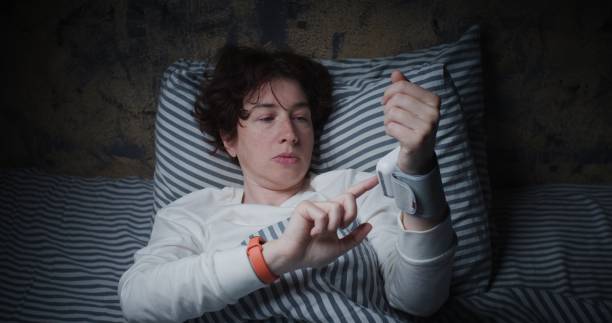
First, a little context. You already know that light is the primary cue your body uses to regulate its circadian rhythm. Morning sunlight tells your brain to stop producing melatonin and start producing cortisol, signaling that it’s time to be alert. But what if you live in a northern climate, work overnight shifts, or simply wake up before the sun? Traditional light therapy uses a bright box or visor aimed at your eyes. The HumanCharger takes a different route. Instead of shining light into your retinas, it delivers a specific wavelength of light through tiny earbud-like tips that sit just inside your ear canals. The theory is that photosensitive cells in the brain—specifically in the area near the ear canal—can be stimulated by light, bypassing the eyes entirely.
At first glance, this might sound like science fiction. But the company behind it, Valkee, conducted several studies, including a placebo-controlled trial on shift workers, which suggested that ear-based light exposure could reduce jet lag and improve alertness. The device itself is simple: you wear it for about twelve minutes each morning, or whenever you need a reset. The earbuds emit a cool white light that you can’t really see—you just feel a faint warmth or nothing at all. Meanwhile, you go about your morning routine, making coffee or checking email. The idea is that you get the benefits of light therapy without having to sit still in front of a lamp.
Now, from a SleepGoals perspective, why would you consider adding this to your wearable collection? The main appeal is convenience. If you already struggle with grogginess or a delayed sleep phase, a traditional light box requires you to be near an electrical outlet and stare into bright light for twenty to thirty minutes. The HumanCharger lets you move around. It’s also portable, so you can use it while traveling across time zones. For people who work from home in dim rooms or who simply can’t get outside early, this might be a practical alternative.
But there are important caveats. The science on light delivered through the ear is still controversial. Some researchers argue that the skin and tissue in the ear canal are not thick enough to block light from reaching the brain, while others doubt that the necessary photoreceptors exist outside the eyes. The device has received CE marking in Europe, meaning it meets safety standards, but it has not been approved by the FDA as a medical device in the United States. That doesn’t mean it’s unsafe—just that the evidence is not yet strong enough for formal approval here. For American adults, that means you should approach it as an experiment, not a proven cure.
In terms of integration with your overall sleep strategy, the HumanCharger works best as a morning tool. It’s not a sleep aid; it’s an wake-up aid. If you have trouble falling asleep at night, you would use it early in the day, not before bed. Pair it with good sleep hygiene—like keeping a consistent schedule, avoiding screens before bed, and using a cooling sheet or mattress that regulates temperature—and it might give you an extra edge. Some users report feeling more alert within minutes, which could be useful for those sharp afternoon slumps.
Is it worth the price? At around one hundred and fifty dollars, it’s comparable to a good light therapy lamp but far more portable. The biggest risk is that it simply doesn’t work for you. Because the research is still emerging, your results may vary. Some people swear by it; others find no difference. If you’re curious and have the budget, it’s a low-risk experiment that fits neatly into the “Wearables” category on SleepGoals.
Ultimately, the HumanCharger is a fascinating example of how wearables are moving beyond simple step counting into targeted biological manipulation. It’s not a miracle device, but it is a smart, science-inspired tool for people who want to take control of their circadian rhythm without being tethered to a lamp. As we explore the future of sleep, expect more gadgets like this—wearables that don’t just track your sleep, but actively change it. For now, it’s worth keeping an eye (and an ear) on.
Dream Blog
Real sleep talk for real people.


Why Your Bed-in-a-Box Needs Time to Become Your Best Sleep Friend

The Golden Hour of Deep Sleep