The Balance Between Sleep and Hunger
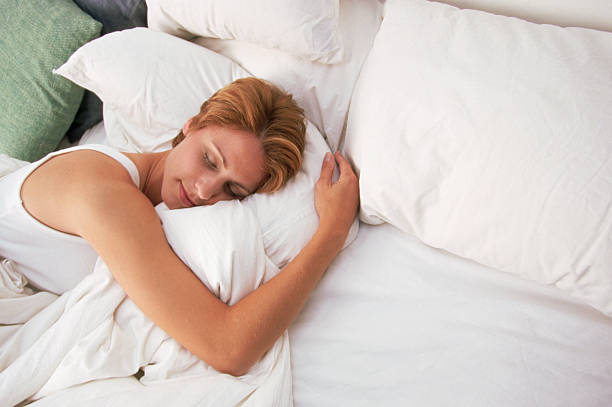
Let’s start with the basics. Your body runs on a delicate balance of hormones that tell you when to eat and when to stop. The two biggest players are ghrelin, often called the “hunger hormone,” and leptin, the “fullness hormone.” Ghrelin rises before meals to signal that it’s time to fuel up. Leptin rises after eating to tell your brain, “You’re good, put the fork down.” When you’re well-rested, these two hormones work in harmony. But when you’re sleep-deprived, the whole system goes haywire.
Here’s what happens inside your body. When you don’t get enough deep sleep—the kind where your brain waves slow down and your body repairs itself—your ghrelin levels spike. Meanwhile, your leptin levels drop. That means you feel hungrier than you should, and you don’t feel as satisfied after you eat. A study from the University of Chicago found that people who slept only four hours a night for two nights had a nearly 18 percent decrease in leptin and a 28 percent increase in ghrelin. That’s a one-two punch that can make even a healthy person feel like they’re starving.
But the trouble doesn’t stop with just feeling hungry. Your brain’s reward centers also get rewired when you’re tired. The same study showed that sleep-deprived participants craved high-calorie, high-carbohydrate foods like sweets, salty snacks, and starchy foods. This isn’t just a lack of willpower. Your brain is actually seeking quick energy to compensate for the fatigue. It’s a survival mechanism gone wrong. In modern life, that survival instinct leads you straight to the vending machine instead of a balanced meal.
Now, how does this relate to the sleep-wake switch? The sleep-wake switch is a part of your brain that controls whether you feel alert or drowsy. It’s influenced by two main forces: your circadian rhythm, which is your internal 24-hour clock, and your sleep drive, which builds up the longer you stay awake. When these systems are out of sync, you don’t just feel groggy. Your metabolism slows down, your insulin sensitivity drops, and your body starts storing fat more easily. Sleep deprivation can even make your body think it’s in a state of mild starvation, so it holds onto calories instead of burning them.
So, what’s the practical takeaway for American adults trying to get better sleep? It’s not just about counting sheep. It’s about respecting the science. If you skimp on sleep regularly, you’re fighting a biological battle that’s hard to win with diet alone. The best strategy is to treat your sleep as the foundation of your health. That means keeping a consistent sleep schedule, even on weekends. It means dimming the lights an hour before bed to let your melatonin rise naturally. And it means avoiding heavy meals and alcohol close to bedtime, because both can disrupt your sleep architecture.
If you’re struggling with midnight cravings, ask yourself one honest question: Did I sleep well last night? More often than not, the answer will explain the bagel craving. You can support better sleep by making your bedroom a true sanctuary. Keep it cool, around 65 to 68 degrees Fahrenheit. Use blackout curtains to block artificial light. And consider a comfortable mattress and pillow that support your body without causing aches. These aren’t luxury upgrades; they are tools to help your sleep-wake switch function the way nature intended.
The science is clear: when you sleep well, you eat better. When you eat better, you sleep better. It’s a positive cycle that starts with one good night of rest. So tonight, give yourself permission to prioritize sleep. Your hunger hormones will thank you tomorrow.
Dream Blog
Real sleep talk for real people.


Elevating Legs to Redistribute Fluid
Why Valerian Root Might Be the Gentle Sleep Aid You’ve Been Looking For