Z-Drugs Ambien Lunesta and Sonata
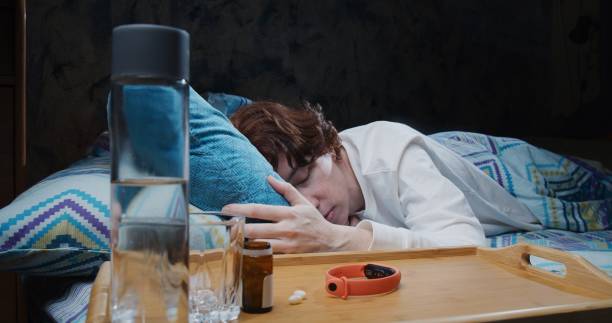
Z-drugs work by targeting the same brain receptors as benzodiazepines, but they are more selective. They bind to a specific subtype of the GABA-A receptor, the chemical brake system in your central nervous system. By enhancing GABA’s calming effects, these drugs quiet the overactive firing of neurons that keeps you awake. The result is a rapid onset of drowsiness. Ambien, for example, is famous for its speed—taking effect in as little as fifteen to thirty minutes. Sonata acts even faster, with a half-life so short it is designed for people who have trouble falling asleep but can stay asleep. Lunesta, by contrast, lingers longer, making it better suited for those who wake up repeatedly through the night.
But this speed and selectivity come with trade-offs. Because Z-drugs only mimic the brain’s natural sleep pathways, they do not produce the same sleep architecture as your body’s own rhythm. Research shows that while these medications can help you fall asleep faster, they often reduce the amount of deep sleep and REM sleep you get. Deep sleep is when your body repairs tissue and clears metabolic waste from the brain. REM sleep is crucial for memory consolidation and emotional regulation. Over time, relying on Z-drugs may leave you with less restorative rest—even if you seem to be sleeping more hours.
Another well-known risk is the potential for bizarre side effects. Some people on Ambien or Lunesta have reported sleepwalking, sleep eating, or even sleep driving without any memory of the event. This happens because the drug can suppress the part of the brain that keeps your body paralyzed during dreaming, while still keeping the thinking parts of your brain partially offline. It is rare, but it is serious. If you ever wake up to find food wrappers in the kitchen or car keys in your hand, that is a red flag to stop the medication immediately and talk to your doctor.
Tolerance is another major concern. Your brain adapts to Z-drugs quickly. Within a few weeks, the same dose that helped you fall asleep in twenty minutes may barely take the edge off. This leads many people to increase their dose on their own, which raises the risk of dependence and withdrawal. Doctors typically recommend using these medications for no more than two to four weeks, and often only intermittently. They are not intended as a long-term solution for chronic insomnia.
So when might a Z-drug actually be the right choice? For short-term insomnia triggered by a stressful event, a long flight causing jet lag, or a medical procedure that disrupts your schedule, these medications can be a useful tool. They can also help when behavioral strategies like cognitive behavioral therapy for insomnia have not been enough to break a cycle of sleeplessness. The key is to use them as a bridge, not a crutch. Always start with the lowest effective dose, and never combine them with alcohol, which can dangerously amplify the sedative effects.
If you are prescribed one of these drugs, take it exactly as directed. Ambien should be taken only when you have at least seven hours to dedicate to sleep. Lunesta, because of its longer half-life, may leave some people drowsy the next morning, so it is best taken earlier in the evening. Sonata can be taken in the middle of the night if you have at least four hours left before you need to wake up. But no matter which one you use, the rule is the same: only take it when you are ready to go straight to bed, and never keep a pill on your nightstand for occasional restless nights without a doctor’s guidance.
At SleepGoals, we believe that prescription sleep aids are a valid part of the medical toolbox, but they are not a substitute for fixing the underlying causes of poor sleep. If you are considering a Z-drug, talk to your healthcare provider about a comprehensive plan that includes proper sleep hygiene, stress management, and perhaps a sleep study to rule out apnea or restless legs syndrome. When used wisely, Ambien, Lunesta, and Sonata can give you a few nights of relief. But the goal should always be to teach your brain how to fall asleep on its own again. That is the truest long-term fix.
Dream Blog
Real sleep talk for real people.


Sleep Number 360 FlexFit Base

5-HTP and Serotonin Pathway Caution