Metabolic Chaos from Messed Up Clocks

Your master clock is located in the hypothalamus, and its primary job is to keep your body on a 24-hour rhythm, known as your circadian rhythm. It does this by receiving cues from the outside world—especially light. When sunlight hits your eyes in the morning, it signals your SCN to start the day: raise your body temperature, release cortisol to wake you up, and suppress melatonin so you feel alert. As evening comes, the lack of light tells your master clock to release melatonin, lower your body temperature, and prepare you for sleep. This rhythm affects every cell in your body, including your liver, pancreas, and muscles. In fact, about 40% of your genes are under circadian control. So when your master clock is off, everything gets confused.
Now here’s where the metabolic chaos kicks in. When you stay up late scrolling your phone, work night shifts, or travel across time zones, you’re sending conflicting signals to your master clock. The light from your tablet tells your brain it’s still daytime, so your SCN pumps out wakefulness signals. But your body also needs to digest dinner, repair cells, and store energy. What happens when that clock is out of sync? Your pancreas stops releasing insulin efficiently, so your blood sugar stays high. Your liver starts producing glucose at the wrong times, thinking you need energy for a workout that never comes. Your fat cells hold onto stored fat instead of burning it. This is metabolic chaos: your body doesn’t know whether to store energy or use it, so it does a little bit of both, badly. Research from the University of Chicago found that just two weeks of misaligned sleep schedules can push a healthy adult into a pre-diabetic state.
You don’t need to be a night-shift worker to feel this chaos. Many American adults fall into what sleep scientists call “social jetlag.” You go to bed at 10 PM during the week but stay up until 2 AM on weekends. Then you sleep in Saturday morning, which throws your master clock off by two or three hours. By Monday, your body is back in a state of confusion. That disruption doesn’t just make you groggy—it lowers your metabolic rate, increases cravings for sugary and fatty foods, and reduces the quality of your sleep. Over time, this messes with your hunger hormones, ghrelin and leptin, making you feel hungrier even after eating.
The good news? You can fix your master clock. The most powerful tool is light. Get at least 15 to 30 minutes of morning sunlight within an hour of waking. This powerfully calibrates your SCN for the day. At night, dim your indoor lights at least an hour before bed and avoid screens entirely if you can. If you can’t, use blue-light blocking glasses. Keep your bedtime and wake time consistent within an hour, even on weekends. This tells your master clock, “This is when we sleep, and this is when we’re awake.” Also, eat your biggest meals earlier in the day. Eating late at night sends a confusing metabolic signal because your body’s digestive enzymes are produced in sync with your circadian rhythm—they’re lowest at night.
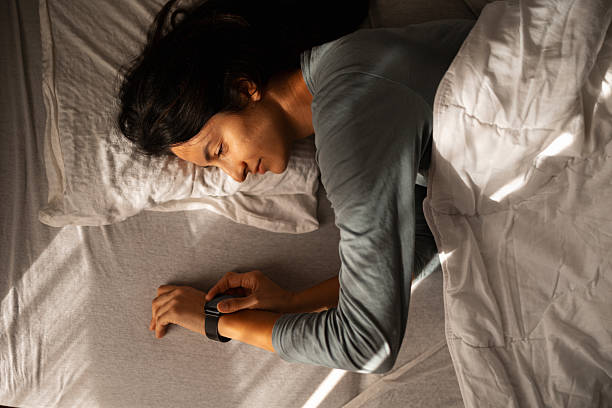
Finally, consider monitoring your sleep with a wearable. Many devices can track your light exposure, your sleep stages, and even your heart rate variability. That data helps you see how consistent your schedule really is. SleepGoals recommends using that information not to obsess over numbers, but to build better habits that respect your master clock.
When you understand that your internal master clock is the conductor of your entire metabolic orchestra, you realize that sleep isn’t just rest—it’s a metabolic repair session. By keeping that clock set correctly, you don’t just sleep better. You wake up with stable energy, fewer cravings, and a body that burns fuel efficiently. The chaos stops. And you finally let your brain do what it does best: keep you healthy, one synchronized rhythm at a time.
Dream Blog
Real sleep talk for real people.


Why Narcolepsy Lacks Orexin Stability
Understanding the Sleep Benefits of CBD and CBN