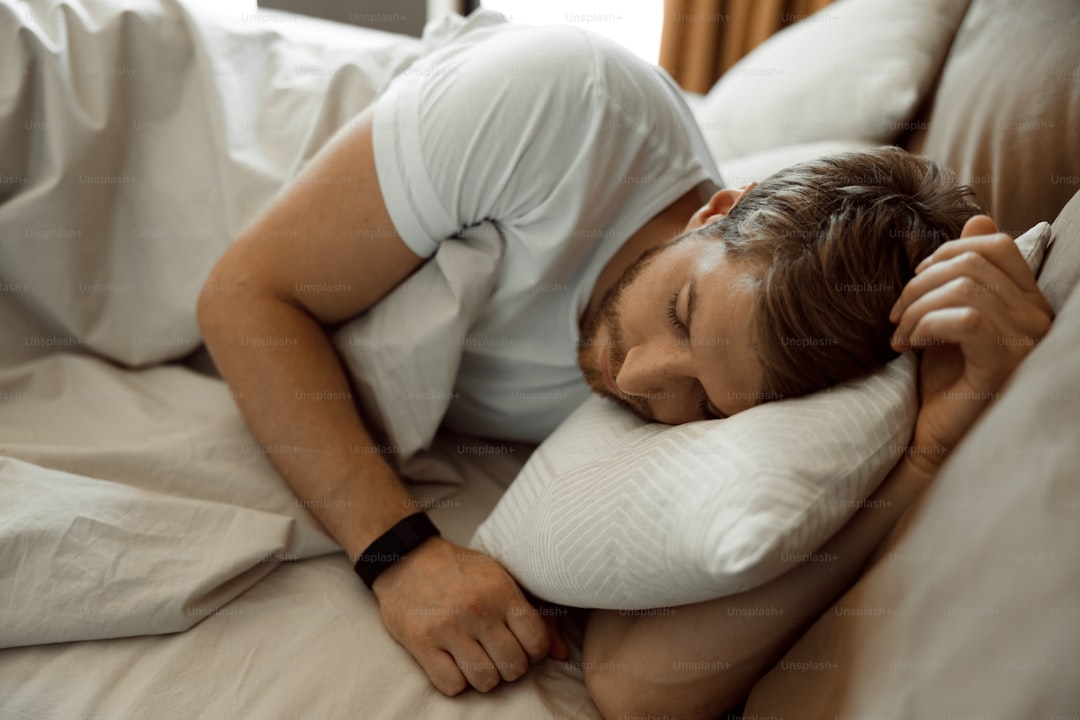
Better Sleep for Less Daily Anxiety
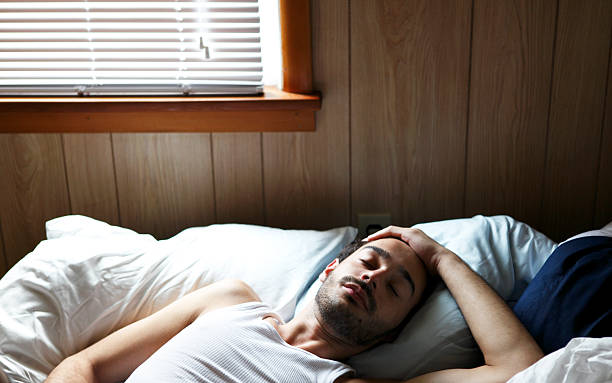
The importance of sleep goes far beyond simply feeling rested. When you sleep, your brain is not just shutting down for the night. It is actively working to process the emotions, stress, and information you encountered during the day. This is where the connection to anxiety becomes so clear. During deep sleep, your brain consolidates memories and regulates the amygdala, the part of your brain that controls fear and emotional responses. Without enough quality sleep, your amygdala becomes overactive. That means you react more strongly to everyday stressors, making you more prone to feeling anxious, irritable, or overwhelmed. In other words, poor sleep doesn’t just make you tired. It rewires your brain to feel more anxious.
For American adults juggling work, family, and the constant pull of digital devices, this cycle is all too familiar. You might think that lying in bed worrying is the cause of your poor sleep, but often the opposite is true. Poor sleep itself is a major cause of anxiety. When you are sleep-deprived, your prefrontal cortex, the part of your brain responsible for rational thinking and impulse control, becomes less active. Meanwhile, the amygdala gets louder. This creates a perfect storm where small problems feel like major crises, and your ability to calm yourself down is significantly weakened. Breaking this cycle starts with prioritizing sleep as a foundation for mental clarity, not just as a luxury you get to when you have time.
Optimizing your sleep environment is one of the most effective ways to lower daily anxiety. This is where the science of sleep meets practical solutions. Your bedroom should be a sanctuary for rest, not a place for work or scrolling through your phone. Temperature matters a great deal. Cooler temperatures, typically between sixty-five and sixty-eight degrees Fahrenheit, help your body drop its core temperature, which signals that it is time to sleep. Many people find that cooling sheets made from breathable materials like organic cotton or bamboo can make a significant difference in staying comfortable throughout the night. Similarly, choosing the right mattress and pillows supports your spine and prevents the physical discomfort that can wake you up and spike cortisol levels during the night.
Wearables and sleep monitoring devices have made it easier than ever to understand exactly what is happening while you sleep. A simple fitness tracker can show you how much time you spend in deep sleep versus light sleep, and that data is incredibly useful for identifying patterns. If you notice your deep sleep is routinely short, it may be time to look at common causes of poor sleep, such as late caffeine consumption, alcohol before bed, or an inconsistent sleep schedule. Monitoring your sleep is not about obsessing over numbers; it is about giving yourself the information you need to make small, meaningful adjustments. These adjustments can directly lower your baseline anxiety, because your brain will finally get the restoration it needs to handle daily challenges with more ease.
Sleep aids can also play a role, but they should be used thoughtfully. Melatonin supplements can help reset your internal clock, especially if you struggle with falling asleep due to racing thoughts. However, relying on them long-term without addressing the root causes of your sleep disruption is not a solution. Instead, combine any sleep aid with better sleep hygiene. That means keeping a consistent wake-up time even on weekends, avoiding screens for at least an hour before bed, and creating a wind-down routine that tells your body it is time to shift from high-alert to rest mode.
The future of sleep science continues to reveal just how powerful sleep is for mental health. As researchers uncover more about how sleep clears metabolic waste from the brain and strengthens emotional resilience, it becomes even clearer that better sleep is not just about feeling less tired. It is about feeling less anxious, more clear-headed, and more in control of your mood. When you invest in your sleep, you are investing in your ability to handle the ups and downs of daily life with less reactivity and more calm.
The journey to less anxiety does not have to begin with complicated therapies or drastic lifestyle changes. It can begin tonight. Start by making your bedroom a cooler, darker, and quieter place to sleep. Give yourself permission to protect that time for rest. Observe how your mind feels the next day. You might be surprised to find that the worry you have been carrying feels a little lighter, not because your problems disappeared, but because your brain finally had the chance to recharge.
Dream Blog
Real sleep talk for real people.

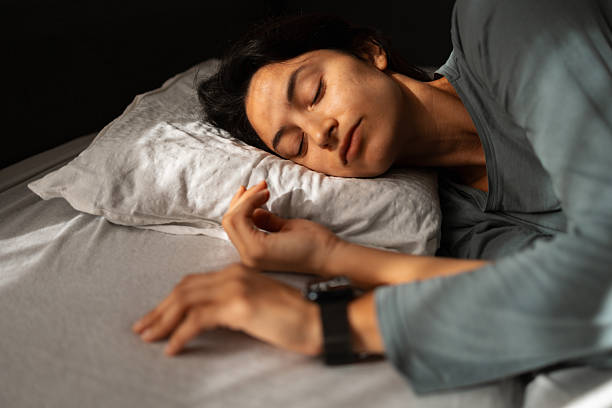
Fitbit Luxe for Minimal Jewelry
Alzheimer's Plaque and Your Sleep Quality