EMF Anxiety and Unplugging Before Bed
We spend about a third of our lives sleeping, yet modern life makes it harder than ever to disconnect. Our bedrooms are no longer quiet caves for rest; they are hubs of wireless routers, charging phones, smart devices, and glowing screens. The term “EMF anxiety” has grown as people become more aware of the invisible electromagnetic fields emitted by these devices. While the scientific debate about the health risks of low-level EMFs continues, the anxiety itself is a very real sleep disruptor. If you find yourself worrying about the router in the hall closet or the phone charging on your nightstand, your brain stays in a low-grade state of alert. That hyper-awareness makes it nearly impossible to trigger the parasympathetic nervous system needed to drift off. For many, the simple act of moving devices out of the bedroom can reduce cortisol levels and quiet the mind. Even if you aren’t clinically anxious about EMFs, the constant proximity to electronics can create a background hum of stimulation that keeps your nervous system from fully powering down for the night.
Now let’s talk about the screen in your hand. You probably know the rule: no phones an hour before bed. But why does it matter so much for that five-star sleep experience? The primary culprit is blue light. The screens on our phones, tablets, and laptops emit high-energy visible blue light that mimics the sun. This confuses your brain’s internal clock, your circadian rhythm, and tells it to stop producing melatonin, the natural hormone that makes you sleepy. Instead of winding down, your brain thinks it’s time to stay awake and alert. That’s why scrolling through social media or checking emails from under your expensive hotel-quality sheets often leaves you feeling wired, not tired. Even the content matters. A stressful work email, a distressing news headline, or an engaging video game can spike adrenaline and keep your mind racing long after you put the device down. The result is a poor sleep quality that no memory foam or cooling fabric can fully fix.
So, how do you “unplug” effectively and reclaim that sanctuary? Start by creating a physical separation from your devices. Designate a charging station outside your bedroom, perhaps in the hallway or a home office. This addresses both EMF anxiety and the temptation to reach for your phone. If you need an alarm clock, invest in a basic analog model that doesn’t emit blue light. Next, establish a real “unplugging” ritual that you look forward to, not something you dread. Sixty to ninety minutes before bed, swap your phone for a physical book, a journal, or a simple stretching routine. Light a candle, dim the lights, and let your eyes adjust to the darkness. This mimics the environment of a luxury hotel where the curtains are blackout, the lights are dimmable, and there is no glowing screen in sight. You can also try “night mode” settings on devices you absolutely must use, but know that these are a compromise, not a perfect solution. The gold standard remains putting the device in another room.
Beyond the screen, consider the EMF environment in your bedroom itself. If you keep a router in your bedroom for better Wi-Fi coverage, try moving it to the hallway or turning it off at night. You can also use airplane mode on your phone when it’s on the nightstand, or simply keep it in a drawer. These small steps can reduce both the actual EMF exposure and the psychological weight of that exposure. Remember, the goal of a five-star hotel bedroom is total relaxation. In the best hotels, the room is designed to make you feel removed from the outside world. By minimizing digital clutter, you create a similar sense of escape. Your mind gets the signal that it is safe to let go of the day’s demands.
Of course, unplugging alone won’t solve every sleep problem. Your mattress, pillows, and sheets are the foundation. A comfortable, supportive sleep surface is non-negotiable for deep rest. But even the best physical setup can be undermined by a buzzing mind and a disrupted circadian rhythm. That is why at SleepGoals, we see unplugging as a crucial pillar of optimizing sleep, right alongside choosing the right cooling sheets or monitoring your sleep stages with a wearable. Think of it this way: your five-star hotel bedroom should feel like a retreat from technology, not an extension of it. When you remove the glowing screens and the invisible signals, you allow your body to find its natural rhythm.
In the end, optimizing your sleep is about creating a consistent, intentional environment that supports your biology. EMF anxiety and screen time before bed are modern challenges, but they are also completely within your control. Start tonight. Charge your phone in the kitchen. Read a physical book. Enjoy the quiet. You will be surprised how much more restorative your sleep becomes when you silence the digital world. Your perfect five-star sleep sanctuary is waiting for you, and it starts with unplugging.
Dream Blog
Real sleep talk for real people.


Blackout Curtains on a Budget
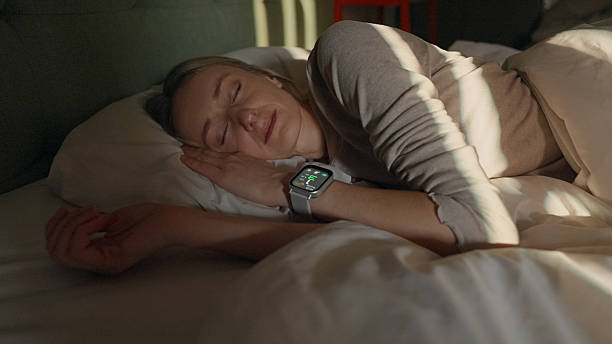
Samsung Galaxy Watch 7 BioActive Sensor