Muse S Headband Meditation Feedback
The Muse S works by using seven sensors positioned across your forehead and behind your ears to detect electrical signals from your brain. These signals are categorized into different brainwave patterns, such as alpha waves, which are associated with a calm, relaxed state, and delta waves, which dominate deep sleep. During a meditation session, the headband translates this data into audio feedback. You might hear gentle sounds of wind or rain that grow louder when your mind is calm and quieter when your mind wanders. This real-time feedback turns an abstract practice into something concrete. Instead of guessing whether you’re “doing it right,” you get an immediate signal. For beginners, this can be incredibly motivating. For seasoned meditators, it adds a layer of precision that helps refine technique over time.
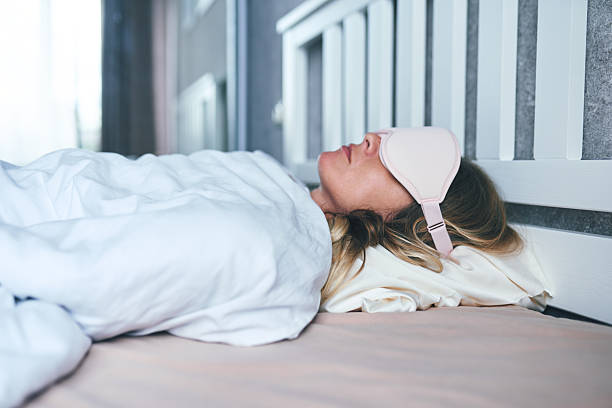
From a sleep perspective, the Muse S offers a specific mode called Sleep Onset, which guides you through a meditation designed to help you fall asleep. The headband continues to monitor your brainwaves as you drift off, and if it detects that your mind is staying active, it adjusts the audio guidance accordingly. This is directly relevant to anyone struggling with racing thoughts at bedtime, a common cause of poor sleep. The device also tracks your sleep stages, including light, deep, and REM sleep, similar to what you’d get from a high-end sleep tracker. But because it uses EEG rather than motion or heart rate alone, some users find the sleep data more accurate for detecting when they are truly asleep versus just lying still. The catch is that wearing a headband to bed takes some getting used to. It’s not as unobtrusive as a wristband, but the trade-off is richer brain-based feedback that purely physical trackers cannot provide.
One of the most valuable aspects of the Muse S is its companion app, which stores your session data and presents trends over time. You can see how your meditation duration, calmness score, and sleep patterns change from week to week. This data turns meditation from a vague wellness habit into a measurable practice. You might notice that after a stressful day at work, your alpha waves are weaker during evening meditation, or that your sleep onset takes longer. Over time, you can experiment with different techniques—like changing the time of day you meditate or adjusting your pre-sleep routine—and see how your brainwave feedback responds. This feedback loop is what makes the Muse S more than a gimmick. It’s a tool for self-experimentation, and for American adults who value efficiency and data-driven results, that appeal is strong.
Of course, no wearable is perfect. The Muse S requires a subscription for full access to its guided sessions and detailed analytics, which adds a recurring cost on top of the initial purchase. Some users also report that the headband can feel bulky, especially if you sleep on your side. And while EEG technology has come a long way, it is not a medical device. The feedback is designed for relaxation and wellness, not for diagnosing conditions like insomnia or anxiety disorders. It is best used as a supplement to good sleep hygiene, not a replacement. If you already practice meditation or want to start, the Muse S gives you a clear, unbiased mirror of your mind’s activity. If you struggle with sleep, its sleep onset mode and sleep tracking offer a unique window into what happens between your head hitting the pillow and the alarm clock.
In the broader world of wearables, the Muse S stands out because it focuses on the brain rather than the body. While smartwatches and rings track movement and heart rate, EEG-based devices like the Muse S track the electrical chatter of your neurons. This is still a niche category, but it is growing as people recognize that mental rest is just as important as physical rest. For anyone on the SleepGoals website looking to understand how technology can help improve their sleep, the Muse S is worth considering. It does not promise a miracle cure, but it offers something even more valuable: honest feedback from your own brain. And when it comes to building better sleep habits, honest feedback is the first step toward real change.
Dream Blog
Real sleep talk for real people.

Why Wearing Socks to Bed Helps You Fall Asleep Faster

Lavender Capsules Shown in Studies