Soundproofing a Noisy Urban Bedroom
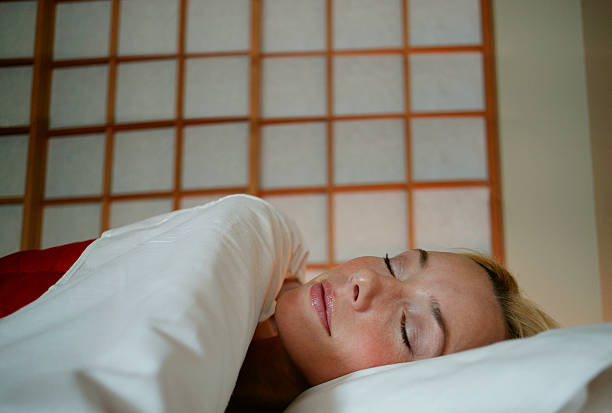
At SleepGoals, we believe that optimizing sleep starts with the environment. A noisy bedroom is one of the most common causes of poor sleep, and it’s often overlooked because we assume we can “just get used to it.” But the science of sleep tells a different story. Your brain never truly stops listening for threats, even when you’re unconscious. That intermittent thump or passing siren triggers a micro-arousal—a split-second wake-up that you don’t even remember. You might feel like you slept eight hours, but your brain didn’t. You woke up unrefreshed, groggy, and irritable. Soundproofing isn’t just about blocking noise; it’s about protecting your sleep architecture.
So how do you turn your chaotic urban bedroom into a serene, silent sanctuary? You don’t need to rebuild your walls. You just need to think like a hotel designer. Hotels are masters of this. They know that a quiet room is the most expensive amenity they offer. Here is a straightforward, budget-conscious approach for the American adult who wants real results.
First, address the weakest link: the window. For most city dwellers, this is where ninety percent of the noise enters. Standard double-pane windows are good, but they aren’t enough for urban chaos. The simplest upgrade is a heavy, thick blackout curtain. Look for one with a high “STC” (Sound Transmission Class) rating, or simply buy the thickest, most padded curtain you can find. It won’t stop a subway rumble, but it will significantly dampen high-frequency noise like sirens and car horns. For a more permanent solution, consider a window plug. This is a custom-cut piece of acoustical foam or dense mass-loaded vinyl that fits snugly into your window frame. It blocks light and sound completely. Yes, you lose the view, but you gain something more valuable: uninterrupted deep sleep.
Next, consider the door. Your bedroom door is likely hollow, which means it acts like a drum for hallway noise. The fix is cheap and fast. Buy a door sweep to seal the gap at the bottom. Then, apply adhesive-backed weatherstripping around the door frame. This simple upgrade can cut hallway noise by fifty percent. If you share a wall with a neighbor, the battle is harder but not hopeless. You cannot change their habits, but you can change your wall’s sound absorption. Hang acoustic panels—the fabric-covered foam ones used in recording studios. Do not cover the whole wall. Place them at ear level behind your headboard. They won’t stop the thumping bass, but they will absorb mid-frequency sounds like voices or TV chatter, stopping them from bouncing around your room.
Finally, you need to address the noise you cannot block: the low-frequency rumble of HVAC systems, traffic, and bass music. This is where sound masking comes into play. Hotels use white noise machines for a reason. They don’t block the sound outright, but they create a consistent, neutral sound that covers up the erratic external noises. Your brain stops trying to identify the siren because the white noise “fills in the gaps.” A dedicated white noise machine is better than a phone app because it produces a richer, less irritating sound. Place it near the window or the noisiest wall, not right next to your head. You want the sound to blend gently.
Remember, optimizing sleep is not about achieving total silence. That’s impossible in a city. It’s about reducing the disruptive peaks—the sudden sounds that yank you out of restorative deep sleep. Start with the window seal, move to the door, add absorption on the walls, and finish with a consistent masking sound. These steps will transform your bedroom from a stressful urban box into a calm, predictable environment. And that predictability is what your brain craves. When your bedroom feels safe and stable, your body can enter the deep, restorative sleep that powers your best life. That is the true five-star hotel experience, and it is achievable, even in the heart of the city.
Dream Blog
Real sleep talk for real people.


Wearing Two Watches Stigma Solution

What Your Wrist Watch Knows About Your Sleep (And What to Do With It)