Combination Sleepers and Responsive Bounce
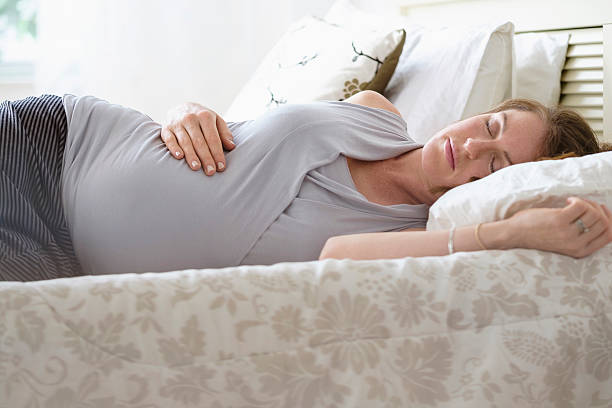
Combination sleepers face a unique challenge. You need a mattress that cradles your hips and shoulders when you’re on your side, supports your spine when you’re on your back, and keeps your lower back aligned when you’re on your stomach. That’s a tall order for any one mattress. Too soft, and your stomach-sleeping posture will suffer. Too firm, and your side-sleeping pressure points will ache. The solution lies not just in the firmness level, but in how the mattress responds to your movement.
Responsive bounce is the term mattress experts use to describe how quickly a mattress returns to its original shape after you press into it. Think of it as the “spring-back” factor. Memory foam mattresses, for example, are famous for slow, deep sinking—often called “quicksand” feel. That can be great for side sleepers who want pressure relief, but terrible for combination sleepers who need to roll over easily. When you try to shift from your back to your side on a sluggish memory foam bed, you have to fight against the foam that’s still molded around your body. That’s not restful.
On the other end of the spectrum, traditional innerspring mattresses have plenty of bounce, but they can lack the contouring needed to relieve pressure points, especially for side sleeping. So where’s the sweet spot? It’s in hybrid mattresses or latex mattresses that combine responsive bounce with targeted support. These beds use materials like individually pocketed coils or natural latex foam that pushes back quickly as you move. That bounce makes it far easier to change positions without fully waking up.
For the American adult who values uninterrupted sleep, responsive bounce is a game-changer. When you can pivot from stomach to side without feeling like you’re climbing out of a hole, your sleep cycles stay smoother. Your body doesn’t have to work as hard to reposition, and that means you spend more time in deep, restorative sleep. This is particularly important because combination sleepers naturally move more during the night. If your mattress fights those movements, it creates micro-disturbances that fragment your sleep.
What should you look for on your mattress shopping journey? Keep an eye on descriptions like “medium firm,” “adaptive support,” or “fast response foam.” Many top-rated hybrids now specifically market themselves to combination sleepers. When you test a mattress in a store, try this simple trick: lie on your back, then roll onto your side. If you feel like the mattress helps push you along rather than holding you back, that’s responsive bounce at work.
Also consider the firmness level. For combination sleepers, a medium-firm mattress (usually around a 5 to 7 on the firmness scale) tends to work best. It offers enough give for side sleeping but enough rigidity for stomach sleeping. Pair that medium-firm feel with responsive bounce, and you’ve got a mattress that moves with you, not against you.
Don’t forget about the other layers either. A good transition layer—often made of responsive foam or micro-coils—can make a big difference. This sits between the top comfort layer and the support core, helping distribute your weight while allowing easy movement. Some of the best mattresses for combination sleepers use a “zoned support” system that is firmer under the hips and softer under the shoulders. That way, your spine stays neutral no matter which direction you face.
Ultimately, if you’re a combination sleeper, you don’t have to choose between plush comfort and supportive bounce. The right mattress will give you both. Responsive bounce isn’t just about feeling bouncy—it’s about making your nightly position changes effortless. That means fewer interruptions, less tossing and turning, and a more refreshing morning. So when you’re mattress shopping, push past the marketing hype. Try the mattress. Roll around on it. See how it responds. Your sleep patterns will thank you.
Dream Blog
Real sleep talk for real people.


The 30-Minute No-Screen Rule Reality

Sleep-Tracking Earbuds: The Sound Path to Better Rest