Cutting The Vacuum Seal Without Damage
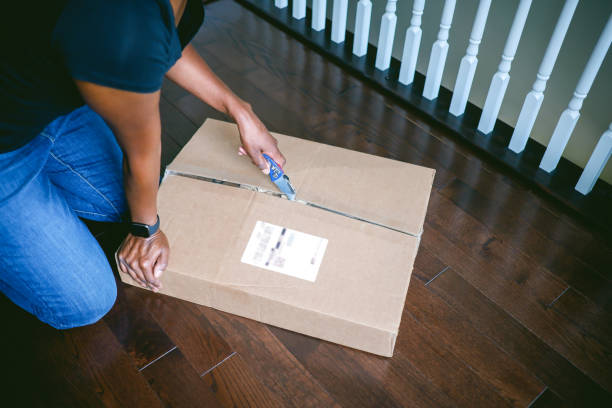
First, take a deep breath. Many people rush this step because they’re excited, but patience here saves you from a headache later. Start by inspecting the box. Most bed-in-a-box mattresses come with explicit instructions printed on the outside or inside the packaging. Some brands include a small plastic cutting tool or a pull-tab to make opening safer. Look for those before you grab the nearest kitchen knife. If you see a pull-tab, use it. It’s designed to rip the plastic open without putting a blade anywhere near the mattress surface.
If there’s no pull-tab, your best friend is a pair of scissors with a rounded tip, not a razor blade or box cutter. A rounded tip reduces the risk of accidentally plunging the blade deep into the foam or fabric. Place the mattress box on the floor in the room where you plan to use it. Unfold the cardboard flaps so the rolled mattress is exposed. You’ll see the mattress wrapped in a thick, clear plastic bag with the ends twisted and tied or sealed with tape. That sealed plastic is what you need to cut.
Here’s the key technique: cut only the plastic at the very end of the roll, not along the length of the mattress. The ends are usually tucked away from the actual mattress fabric, with extra plastic gathered and twisted. Take your rounded-tip scissors and snip a small hole in that twisted plastic near the tie. Once you pierce it, you’ll hear the air rush out. That’s the vacuum releasing. From that small opening, you can carefully enlarge the cut and peel the plastic away from the mattress without ever dragging a blade across the foam.
Alternatively, you can use the scissors to cut the plastic bag near the cardboard box’s opening, where there’s typically slack between the bag and the rolled mattress. Gently lift the bag away from the roll before making any cut. The goal is to create a gap so your blade or scissors only touch plastic, not mattress. If you’re using a box cutter, always angle the blade away from the mattress and cut outward. Never cut downward into the roll.
Once the vacuum seal is broken, the mattress will start expanding immediately. Resist the urge to cut the plastic entirely off all at once. Let the mattress do its thing. It’s normal for it to unroll and start growing. If you try to yank the plastic off while it’s still compressed, you might stretch or tear the mattress cover. Instead, roll the mattress out onto your bed frame or foundation first. Many instructions recommend putting the mattress on the bed before removing the final plastic layer, because it’s easier to position when it’s still manageable in size.
After it’s on the bed, use your scissors to cut the plastic bag lengthwise along the bottom seam or side seam, again keeping the blade pointed away from the mattress. Peel the plastic off like you’re unwrapping a giant piece of candy. If any tape residue sticks to the fabric, use a lint roller or a bit of mild soap on a damp cloth to remove it, but never use a sharp tool to scrape it off.
What about those little perforated vents some mattress bags have? Some manufacturers include them to let air slowly seep in. If your bag has them, don’t cut near those vents. They’re designed to release pressure gradually, and cutting another hole nearby might cause the plastic to rip in an uncontrolled way that could snag the mattress.
A few practical warnings: never use a serrated knife. The teeth can catch on the mattress cover and tear it. Also, avoid cutting near the corners of the rolled mattress, because that’s where the compressed foam is closest to the surface. And please, don’t use a candle, lighter, or heat tool to melt the plastic open. That’s a fire hazard around foam and will leave melted plastic fused to the mattress.
Once the mattress is free and expanding, leave it alone for at least a few hours, sometimes up to twenty-four hours depending on the brand and thickness. That’s normal. The mattress needs time to fully decompress and release any chemical odors from the packaging. Open a window if you can. While you wait, recycle the cardboard box and discard the plastic bag properly. Some mattress companies even include pre-paid recycling bags for the plastic.
You did it. Your mattress is now safe, unblemished, and ready to cradle you through years of good sleep. The careful way you opened it sets the tone for how you’ll treat your sleep space—with intention and a little bit of love.
Dream Blog
Real sleep talk for real people.



Asthma Friendly Certifications to Trust