Undiagnosed Apnea in Fit Young Men
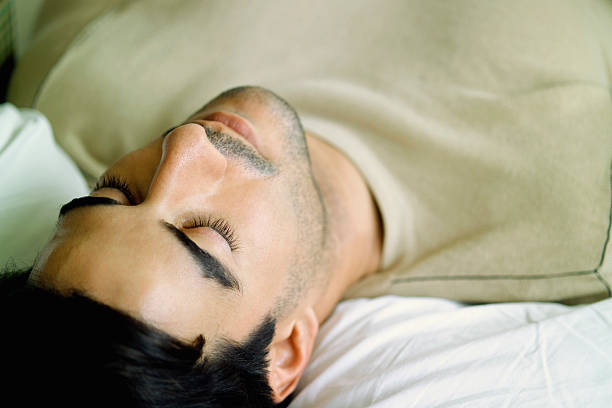
The classic image of sleep apnea is a middle-aged man with a large collar size, but the condition does not discriminate by BMI. Fit young men often have what doctors call a “high-risk phenotype” for a different kind of apnea called positional or upper airway resistance syndrome. These guys typically have strong, muscular necks and chests, but their jaw structure or tongue posture can create a narrow airway when they sleep. Even a small amount of tissue collapse in the throat can cause dozens of micro-arousals per hour—waking you just enough to disrupt deep sleep but not enough to remember it. You might wake up feeling like you were hit by a truck, with a dry mouth, a headache, or the inexplicable urge to pee at 3 AM. These are classic signs you are fighting to breathe all night, burning calories no, not from fat, but from cortisol.
Another common cause of poor sleep in this demographic is the “silent” variant of apnea known as respiratory effort related arousal. Your brain senses that your airway is getting tight, so it briefly yanks you out of deep sleep to keep you alive. You never fully wake up, never gasp for air, and never snore loudly. But your sleep becomes shallow, fragmented, and completely unrefreshing. This is devastating for athletic performance. Your body repairs muscle tissue and consolidates memory during slow-wave sleep, and your brain flushes out metabolic waste during REM. When apnea steals those stages, you might find yourself needing more caffeine, getting injured more often, or feeling mentally foggy despite a full eight hours in bed.
Many fit young men also overlook the role of nasal breathing. If you have chronic allergies, a deviated septum, or even just stuffy sinuses from training in cold air, your body automatically defaults to mouth breathing at night. Mouth breathing dries out your throat, makes your tongue fall back more easily, and practically guarantees airway collapse. Combined with a powerful chest that can pull hard against a blocked airway, you create a perfect storm for nocturnal suffocation. You may not have the typical obesity-driven apnea, but you still have the symptoms—morning fatigue, irritability, low libido, and a feeling that your sleep is just not restorative.
The good news is that undiagnosed apnea in fit young men is highly treatable, often without a bulky CPAP machine. Many find relief with an oral appliance that repositions the jaw, a simple chin strap, or even targeted nasal strips. Positional therapy, which trains you to sleep on your side instead of your back, can dramatically improve breathing for many lean individuals. A dental sleep specialist or an ENT can take a look at your airway anatomy with a simple scope or a home sleep test. The test is painless, non-invasive, and can finally give you the data to prove you are not just “bad at sleeping.“ You are fighting a mechanical problem, and like any problem in the gym, you can train around it.
Ignoring the signs because you do not fit the stereotype is a shortcut to chronic fatigue, hormone dysregulation, and even long-term cardiovascular strain. Your heart has to pump harder all night when your oxygen dips, and your body floods with stress chemicals that make it harder to lose fat and easier to hold onto belly weight. The irony is stark: you work so hard to be fit, but your sleep architecture is actively working against you. You do not need to be overweight to have sleep apnea. You just need a throat that is a little too narrow for the powerful breathing demands of your own body.
If you are a young man who exercises, eats well, and still feels wrecked in the morning, do not brush it off. Get screened. Your sleep goals depend on it, and so does every rep, every mile, and every sharp decision you make the next day. Your airway might be the least obvious cause of poor sleep, but fixing it could be the single best change you ever make for your recovery, your health, and your happiness.
Dream Blog
Real sleep talk for real people.


Spooning Pillows for Couples
Why Recovery Is More Than Rest Days