Melatonin Infusion Pumps Mimicking The Pineal
First, let’s understand the pineal gland. This small, pinecone-shaped structure deep in your brain is your body’s natural sleep conductor. When darkness falls, it releases melatonin, a hormone that signals to your entire system that it is time to wind down. The release is not a single burst. It is a slow, steady, and precisely timed infusion that rises in the evening, peaks in the middle of the night, and then gradually declines as morning approaches. This natural pattern is elegant and effective, but modern life disrupts it. Blue light from screens, shift work, stress, and aging all interfere with the pineal gland’s ability to produce melatonin on schedule. Most over-the-counter melatonin supplements fail to replicate this natural curve. They hit your bloodstream all at once, often leaving you groggy the next day or waking you in the middle of the night. The melatonin infusion pump solves this problem by delivering a continuous, low-dose stream of melatonin that closely mirrors what your pineal gland would produce in a perfect world.
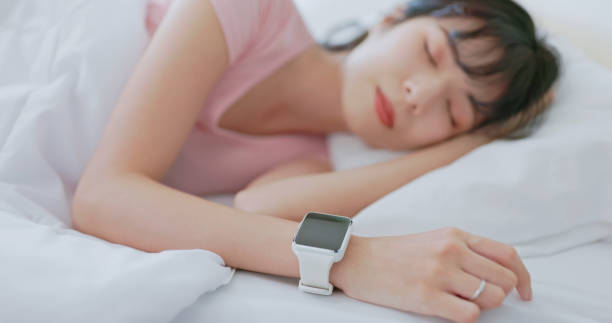
So, how does a melatonin infusion pump work? Picture a small, wearable device, similar in size and shape to the continuous glucose monitors used by people with diabetes. It is worn on your abdomen or upper arm, and it contains a tiny reservoir of pharmaceutical-grade melatonin. A micro-needle or soft cannula sits just under your skin, delivering a programmable dose over several hours. The system is controlled by a smartphone app that learns your sleep patterns. You set your desired bedtime and wake time, and the pump begins releasing melatonin about an hour before you plan to sleep. The dose ramps up slowly, peaks during your deepest sleep stages, and then gently tapers off before your alarm rings. This creates a sleep experience that feels natural and refreshing, not chemically induced. For frequent travelers, some advanced pumps even sync with your calendar to adjust for jet lag, automatically shifting your melatonin curve to match your destination time zone.
The implications for the future of sleep are profound. Poor sleep is linked to heart disease, obesity, depression, and cognitive decline. By restoring a natural melatonin curve, these pumps could reduce reliance on sleeping pills that carry risks of dependence and side effects. They also represent a shift from reactive to proactive sleep management. Instead of taking a pill when you cannot fall asleep, you wear a device that prevents sleep disruption before it starts. This fits perfectly into the “smart drug and nootropic delivery” philosophy at SleepGoals. Nootropics are substances that enhance cognitive function, and nothing improves brain performance like high-quality sleep. A melatonin infusion pump is not a nootropic itself, but it is a delivery system that optimizes the brain’s own chemistry. By ensuring your body receives melatonin in the most bio-available and timing-precise way, it acts as a foundational tool for mental clarity, focus, and memory consolidation.
Of course, this technology is still in its early stages. Clinical trials are underway, and current devices are primarily used under medical supervision for severe sleep disorders. However, the trajectory is clear. As wearable technology becomes smaller, cheaper, and smarter, consumer-grade melatonin infusion pumps could become as common as fitness trackers. The main challenges are cost, user compliance, and safety monitoring. Not everyone will want to wear a device nightly, and the long-term effects of continuous subcutaneous melatonin are still being studied. But for the millions of American adults who have tried every mattress, pillow, cooling sheet, and supplement without relief, this represents a genuine breakthrough.
At SleepGoals, we believe the future of sleep is personalized, precise, and non-invasive. Melatonin infusion pumps are a prime example. They do not just help you sleep. They help you sleep the way your body was designed to. Whether you are an entrepreneur fighting jet lag, a parent recovering from newborn chaos, or someone simply tired of counting sheep, this technology offers hope. The pineal gland has worked for millions of years. Now, science is giving it a backup plan.
Dream Blog
Real sleep talk for real people.


Pink Noise: The Hidden Key to Deeper Sleep

Cutting Fluids Two Hours Before Bed