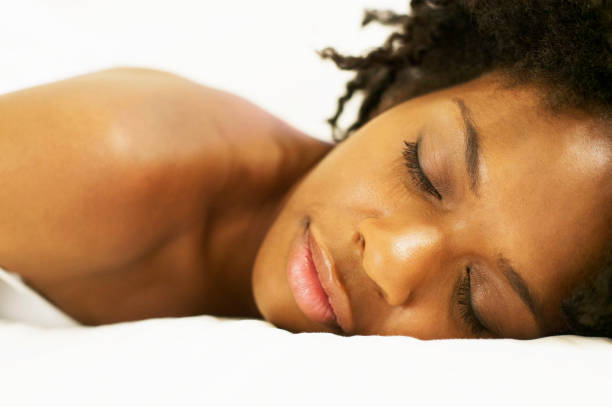
Nightcaps Actually Fragment Your Sleep
Alcohol is often mistaken as a sleep aid because it can make you feel drowsy. That initial wave of relaxation is real. A drink or two can reduce the time it takes you to fall asleep, which is why so many people swear by their evening cocktail. But what happens after you close your eyes is a different story. Once alcohol enters your system, it begins to disrupt the natural architecture of your sleep. Specifically, it interferes with your rapid eye movement, or REM, stage. REM sleep is the phase where you dream, process emotions, and consolidate memories. When alcohol is present, your body suppresses REM sleep early in the night. As your body metabolizes the alcohol later in the night, it tries to catch up, causing your brain to cycle in and out of lighter, more restless stages. You wake up more frequently, even if you don’t fully remember it. This is called sleep fragmentation, and it leaves you feeling groggy, irritable, and less refreshed the next morning.
But alcohol isn’t the only sleep saboteur hiding in your evening routine. Caffeine, the world’s most popular stimulant, is another major cause of poor sleep that many adults overlook. That afternoon coffee or iced tea, even if you drink it six hours before bedtime, can linger in your system. Caffeine blocks adenosine, the chemical that builds up in your brain throughout the day and signals tiredness. By keeping adenosine at bay, caffeine essentially tricks your brain into thinking you’re alert when your body is actually ready for rest. The result is delayed sleep onset, lighter sleep, and more nighttime awakenings. Many people assume caffeine only affects them if they drink it right before bed, but research shows that even a moderate amount of caffeine consumed six hours before sleep can reduce total sleep time by more than an hour. If you’re struggling to stay asleep or waking up feeling unrefreshed, your afternoon pick-me-up might be the culprit.
Nicotine is another substance that wreaks havoc on your sleep. Whether you smoke traditional cigarettes or use vaping devices, nicotine is a powerful stimulant that raises your heart rate and activates your nervous system. Smokers and vapers often report trouble falling asleep, waking up too early, and experiencing more restless nights. The addictive nature of nicotine can also cause nighttime cravings that pull you out of deep sleep, signaling your brain to wake up in search of another dose. Even if you think you’re sleeping through the night, your brain is cycling through lighter stages of sleep more frequently, robbing you of the restorative deep sleep your body needs to repair muscles, regulate hormones, and fight off illness.
Perhaps the most insidious saboteur is the belief that a little substance can help you “wind down.” The truth is that your body’s natural sleep drive is powerful enough on its own. When you rely on alcohol, caffeine late in the day, or nicotine, you are essentially overriding your body’s internal sleep clock, known as the circadian rhythm. That rhythm relies on consistent signals of light and darkness, activity and rest. Substances disrupt those signals, making it harder for your brain to know when it’s truly time to sleep and when it’s time to wake up.
If you want better sleep, the most effective step you can take is to create a buffer between substance use and bedtime. Try to finish your last alcoholic drink at least three to four hours before you plan to sleep. Cut off caffeine by early afternoon, ideally before 2 PM. And if you use nicotine, consider speaking with a healthcare provider about ways to reduce or quit, especially in the evening hours. Your sleep quality will thank you. Your brain needs those deep, uninterrupted cycles to process the day, repair your body, and prepare you for tomorrow. That nightcap may feel like a reward, but real rest is the best gift you can give yourself.
Dream Blog
Real sleep talk for real people.


The 300-400 Percale Sweet Spot
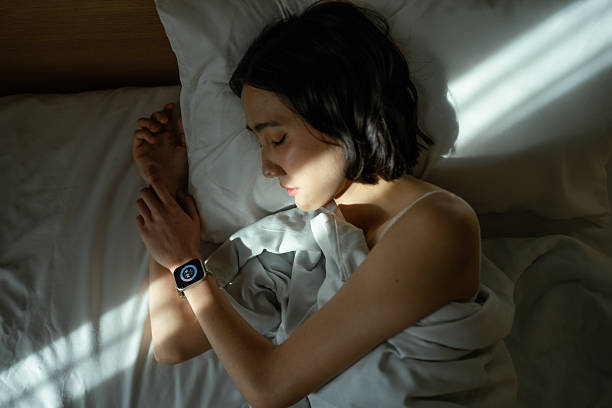
Your Nightly Heart Rate Variability