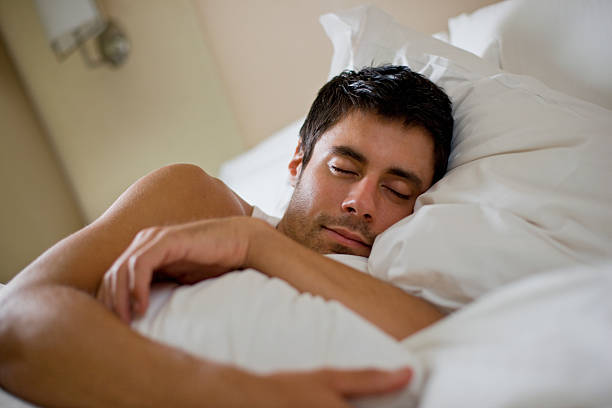
Pillow Protectors That Do Not Heat
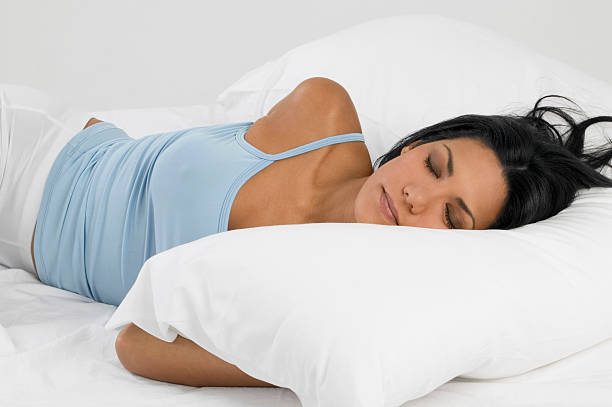
To understand why a standard pillow protector works against you, it helps to look at how heat builds up during sleep. Your body naturally loses heat through your head and neck, especially when you are lying on your side or back. A typical cotton-polyester blend protector acts as a thermal barrier. It traps the warmth your head releases, creating a microclimate that quickly becomes uncomfortable. This is not just about comfort, it is about sleep quality. Research shows that your core body temperature needs to drop slightly for you to fall asleep and enter deeper stages of rest. When your head is overheating, your brain stays alert, and you are more likely to wake up feeling groggy or tossing and turning. This is where the concept of cooling pillow technologies comes into play. While many people focus on the pillow itself, the protector is the immediate surface your skin touches. If that surface heats up, no amount of fancy pillow fill can fix the problem.
So what makes a pillow protector that does not heat different? The answer lies in material science and construction. The best options use phase change materials, often abbreviated as PCMs. These are substances that absorb, store, and release heat to maintain a consistent temperature. Think of them like a thermal buffer. When your head gets warm, the PCM absorbs that excess heat, preventing it from building up on the surface. As the temperature around you drops, the material releases the stored heat slowly, keeping you from feeling a sudden chill. Another excellent choice is bamboo-derived rayon or Tencel lyocell. Both are naturally breathable and wick moisture away from the skin. They do not create that sticky, sweaty feeling that polyester protectors cause. Some high-end protectors also incorporate copper-infused fibers, which not only conduct heat away from your body but also offer antimicrobial benefits. If you tend to sleep hot, you want a protector that is lightweight, has a high thread count in a natural weave, and is free of synthetic waterproof coatings that block airflow.
Choosing the right pillow protector is also about understanding your own sleep environment. If you live in a humid climate or sleep with a partner who runs warm, you need even more breathability. Look for protectors labeled as “cool touch” or “thermoregulating.” Do not assume that a high price tag automatically means it stays cool, check the fabric composition. Avoid vinyl or polyurethane laminate backings, which are common in waterproof protectors. These are effective at stopping dust mites and spills, but they also stop air. Instead, find a protector that is fully encased in natural, breathable fibers while still offering a thin, smooth barrier. Some brands now make protectors with a special weave of cotton and cooling gel beads woven directly into the fabric. These options are more expensive, but they are worth it if you frequently wake up with a damp pillowcase.
Adding a heat-neutral pillow protector to your bedding routine is a small change that can have a big impact on your sleep goals. It protects your investment in a high-quality cooling pillow, extends the life of the pillow, and reduces allergen buildup without sacrificing comfort. Think of it as the base layer of your sleep system. Just as you would not wear a wool sweater over a sweaty undershirt, you should not put a heat-trapping protector over a cooling pillow. The combination of the right pillow, a non-heating protector, and a breathable pillowcase creates an environment where your head stays at the optimal temperature for deep, uninterrupted sleep. If you have been struggling with night sweats, restlessness, or just general dissatisfaction with your pillow, take a hard look at that protector. The solution might be thinner, cooler, and simpler than you ever imagined.
Dream Blog
Real sleep talk for real people.


Climate-Controlled Cocoon Beds: The Next Frontier in Sleep Technology
Real-Time Firmness Shifting With Position