Sweat Wicking Threads for Night Sweats
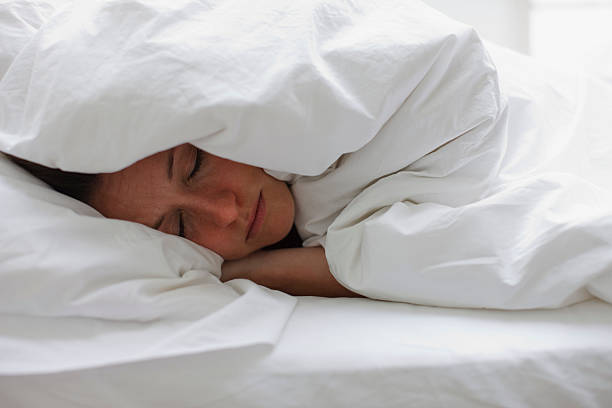
Most people think of sheets as a simple bedding accessory, but when you suffer from night sweats, they become a critical part of your sleep environment. Traditional cotton sheets, while soft, actually trap moisture. When your body heats up and sweats, cotton absorbs that moisture and holds it against your skin. This creates a clammy, sticky feeling that signals your brain to stay alert. Your body’s natural cooling system gets hijacked, and instead of cooling down, you end up shivering in a wet puddle. Cooling sheets solve this problem by using advanced moisture-wicking threads that pull sweat away from your skin and spread it across the fabric’s surface, where it can evaporate quickly. This process is called capillary action, and it is the same technology used in high-performance athletic wear—except now it is working for you while you sleep.
When shopping for cooling sheets, the thread count you hear about in conventional bedding is less important than the fiber composition. Look for sheets made from synthetic blends like polyester, nylon, or rayon derived from bamboo. These materials are naturally hydrophobic, meaning they repel water rather than absorbing it. However, not all synthetic sheets are created equal. The best sweat wicking threads are often found in “performance” or “active” sheet lines. These fabrics are usually knitted rather than woven, which creates microscopic channels that move moisture laterally across the sheet. Some premium brands even incorporate phase-change materials (PCMs) into the fibers. These are tiny capsules that absorb excess heat when your body temperature rises and release it when you cool down, providing a stable thermal environment throughout the night.
Another excellent option for night sweats is Tencel lyocell. Made from sustainably sourced wood pulp, Tencel fibers are incredibly absorbent but also breathable. Unlike cotton, Tencel wicks moisture vapor away from the body while remaining soft and silky. It is also naturally antimicrobial, which helps prevent the musty odors that can develop when sweat lingers on bedding. Similarly, bamboo-derived rayon sheets are popular for their cooling properties, but you should check the label carefully. Some bamboo sheets are processed with heavy chemicals and lose their moisture-wicking abilities. Look for brands that use a closed-loop production process and explicitly mention moisture management on the packaging.
One common mistake people make is thinking that cooling sheets alone will fix everything. While these sweat wicking threads are remarkably effective, they work best when paired with a breathable mattress protector and a lightweight, natural-fiber blanket. Memory foam mattresses, for example, can trap heat, so if you have night sweats, consider a mattress with a cooling gel layer or a hybrid design. Also, avoid flannel or high-thread-count cotton sheets entirely for this purpose. A 1,000-thread-count cotton sheet might feel luxurious, but it is essentially a dense sponge for sweat.
Washing your cooling sheets properly is also crucial. Over time, fabric softeners and dryer sheets can coat the moisture-wicking fibers with a waxy residue, reducing their effectiveness. Instead, wash your sheets in cold water with a mild, liquid detergent and tumble dry on low heat. Avoid bleach and fabric softener entirely. If you notice your sheets starting to feel less cool, a vinegar rinse in the wash can help restore their wicking power.
Night sweats do not have to ruin your sleep quality. By choosing sheets made with sweat wicking threads, you are investing in a more stable body temperature, fewer night-time awakenings, and a deeper, more restorative rest. At SleepGoals, we believe that every element of your sleep environment matters—and your sheets are the first line of defense against overheating. So go ahead, swap out that old cotton set for a pair of cooling sheets. Your body, your bedding, and your morning self will thank you.
Dream Blog
Real sleep talk for real people.

SleepWatch AI Body Battery Analysis
The Silent Epidemic of Obstructive Apnea