Deadly Commute Times Around Sunrise
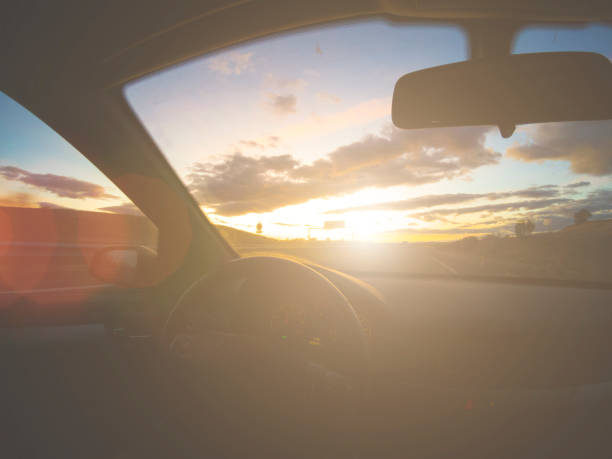
When you wake up before the sun, your body is still in what scientists call a “sleep inertia” state. Your brain hasn’t fully switched on. Your reaction times are slower, your judgment is foggy, and your ability to spot a merging car or a sudden stop is significantly reduced. This is especially dangerous during sunrise, when glare from the low-angled sun can further impair your vision. Combine that glare with a drowsy brain, and you have a recipe for disaster. Many drivers mistake the yawns and heavy eyelids for simple tiredness, but what’s actually happening is a serious drop in cognitive performance that mirrors the effects of being legally drunk. Driving after only four or five hours of sleep is as dangerous as driving with a blood alcohol content above the legal limit.
The importance of sleep in this equation cannot be overstated. Your body and brain repair themselves during deep sleep cycles, consolidating memories, clearing out metabolic waste, and restoring your ability to think clearly. When you cut that process short, you are essentially asking your brain to operate at a deficit. This is why the sunrise commute is so deadly. It’s not just that people are sleepy; it’s that they are chronically sleep-deprived. The American Academy of Sleep Medicine recommends adults get at least seven hours of sleep per night, yet nearly one in three American adults report getting less than that. That means millions of drivers are climbing into their cars every morning with a brain that is running on fumes.
Public safety risks from drowsy driving extend far beyond the individual. A driver who nods off at the wheel for even two seconds can cross into oncoming traffic, rear-end another vehicle, or drift off the road. These accidents are often high-speed and catastrophic. Unlike drunk driving, which has clear legal limits and social stigma, drowsy driving is frequently dismissed as a minor issue. But the data tells a different story. The Centers for Disease Control and Prevention estimates that drowsy driving causes tens of thousands of crashes each year, with many more unreported because drivers are afraid to admit they fell asleep. The damage is not just physical but financial, with billions of dollars lost in medical costs, property damage, and lost productivity.
Fortunately, this risk is largely preventable. Prioritizing your sleep schedule is the single most effective way to protect yourself and others on the road. That means committing to a consistent bedtime, even on weekends, and creating a sleep environment that supports rest. If you have trouble falling or staying asleep, consider the basics: a comfortable mattress and pillows, breathable cooling sheets to manage body temperature, and eliminating blue light from screens at least an hour before bed. Wearables like smartwatches can help you monitor your sleep stages, giving you insight into how much deep sleep you are actually getting. If you find yourself consistently waking up tired, it might be time to investigate common causes of poor sleep, such as stress, caffeine consumption, or underlying issues like sleep apnea.
For those mornings when you absolutely must drive before sunrise, take a few simple precautions. Never rely on sheer willpower or loud music to keep you awake. If you feel your eyelids getting heavy, pull over. A fifteen-minute power nap in a safe rest area can restore your alertness far better than any coffee. And if you have the option, consider adjusting your schedule so you leave after the sun is higher in the sky. That extra half-hour of natural light can make a huge difference in your alertness and visibility.
Your daily commute does not have to be a gamble with your life or the lives of others. The truth is simple but powerful: sleep is not a luxury. It is a fundamental pillar of public safety. By treating your sleep with the same seriousness you treat your car maintenance or your work deadlines, you can turn that deadly sunrise drive into a safe, routine trip. The road ahead is always brighter when you are well-rested.
Dream Blog
Real sleep talk for real people.


Natural Latex for Allergy Sufferers
The Golden Hour of Deep Sleep