Rotating Your Mattress Without Handles

First, understand why rotation matters. Your body weight, combined with years of sleeping in the same spot, compresses the materials under your hips, shoulders, and lower back. Over time, this creates permanent indentations—the dreaded sag. By rotating your mattress 180 degrees every three to six months, you distribute wear more evenly. This simple habit can double the life of many mattresses, especially those with polyfoam, memory foam, or innerspring layers. For foam beds, partial sagging is often irreversible once it sets in, so prevention is your best weapon.
Now, how do you rotate a heavy mattress when there’s nothing to grab onto? Start by clearing the bed of all sheets, pillows, and mattress protectors. Then, stand at one side of the bed and gently push the mattress toward the opposite side until about half of it hangs off the edge. Walk around to that side, bend your knees (not your back), and use your palms and forearms to slide the mattress back onto the center. This creates a manageable shift without needing handles. If the mattress is thick or exceptionally heavy, enlist a partner—two people make the job far safer and easier.
For a full rotation, you’ll need to spin the mattress in place. With a partner, position yourselves at opposite corners. Place your hands flat against the sides or bottom edge, and lift just enough to clear the bed frame. Use your legs to pivot, turning the mattress a quarter or half turn depending on your rotation plan. If you’re working alone, try the “crawl and push” method: kneel on the bed, press your hands into the mattress center, and walk your knees around the outer edge to shift the mattress clockwise or counterclockwise. It takes a few rounds of small adjustments, but it works.
What about mattresses that shouldn’t be flipped, only rotated? Many modern hybrids and foam mattresses are designed with a firm comfort layer on top and a denser support layer below. Flipping them would ruin the intended feel. Always check the manufacturer’s guidelines. If your mattress is one-sided, simply rotate head to foot. If it’s double-sided, you can flip and rotate for maximum wear balancing. A good rule of thumb: mark the foot of the mattress with a small piece of tape or a fabric marker before you start, so you always know which end is which.
After rotating, pay attention to how the bed feels. Some slight unevenness is normal for the first day or two as the materials settle. If you notice persistent lumps or deep sags after rotation, that could signal the end of your mattress’s useful life. Most quality mattresses last seven to ten years, but rotation delays that deadline. Also, consider your foundation. A weak box spring or slatted base can accelerate sagging even with perfect rotation habits. Make sure your bed frame provides even, sturdy support all the way across.
If you still dread the effort, a few inexpensive tools can help. A mattress rotating tool—basically a long fabric strap with handles—can be slipped under the mattress and gives you grip without lifting. Alternatively, a basic canvas furniture sling or even two bedsheets tied together can serve the same purpose. Place the strap or sheet under the mattress before putting on the fitted sheet, and you’ll have a handle ready for next time. It’s a small investment that pays off every time you rotate.
Ultimately, rotating your mattress without handles is about working smarter, not harder. Use your body mechanics wisely, recruit a helper if possible, and make it a seasonal habit—like changing your smoke alarm batteries or switching your wardrobe. Your spine will thank you, your wallet will thank you, and your sleep quality will remain consistently comfortable night after night. A well-maintained mattress is the foundation of good sleep, and you don’t need handles to protect it. You just need a plan, a little patience, and the knowledge that every rotation is a step toward a longer-lasting, sag-free bed.
Dream Blog
Real sleep talk for real people.

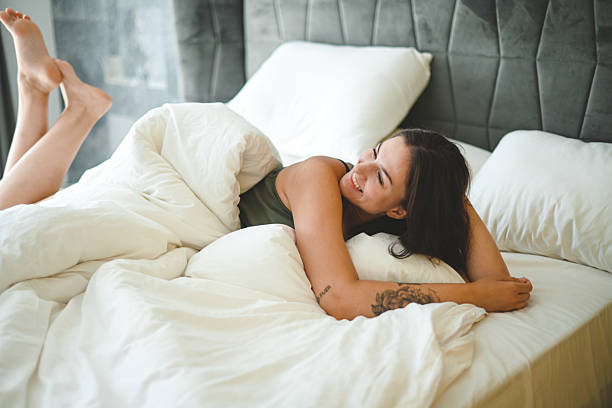
The Science of Phase Change Materials in Cooling Pillows
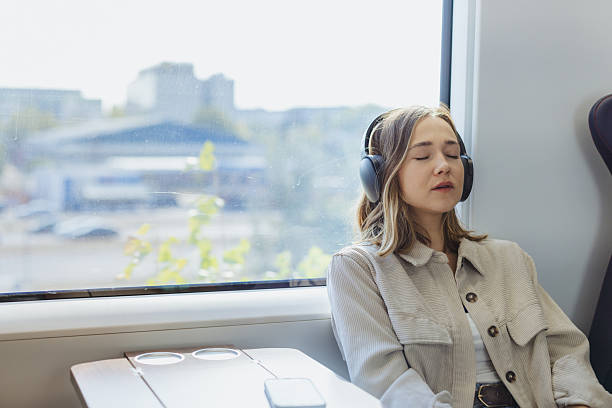
Sleep-Tracking Earbuds: Your Personal Sleep Coach in Your Ears