The 30-Minute No-Screen Rule Reality
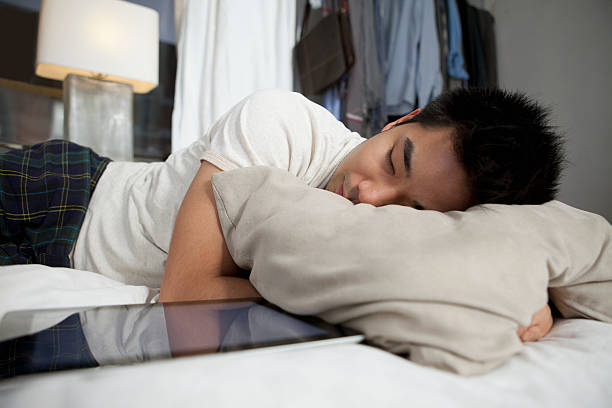
Let’s start with what happens inside your body when you scroll through your feed at 10:30 p.m. Your phone, tablet, or laptop emits blue light, a short-wavelength light that mimics the midday sun. Your brain, through a tiny region called the suprachiasmatic nucleus, interprets that blue light as a signal that it is still daytime. This suppresses the production of melatonin, the hormone that gently ushers you into sleep. The result is not just difficulty falling asleep, but a disruption of your entire sleep architecture. You might still drift off, but your deep sleep phases become shorter and your REM cycles become fragmented. In short, you are sleeping, but you are not recovering.
The reality of the thirty-minute rule is that it asks for a real behavioral shift. It is not about setting your phone down for a countdown with a timer and then picking it back up. It is about replacing the screen with a deliberate, low-stimulation activity. This is where the wind-down routine comes into its own. Instead of scrolling, try reading a physical paperback. The act of turning pages, the warm tone of unbleached paper, and the lack of a backlit screen allow your brain to gradually downshift. A 2019 study published in The Journal of Clinical Sleep Medicine found that participants who read a printed book before bed reported feeling sleepier and had lower arousal levels compared to those who read from an e-reader. The difference was significant enough to reinforce that the medium matters.
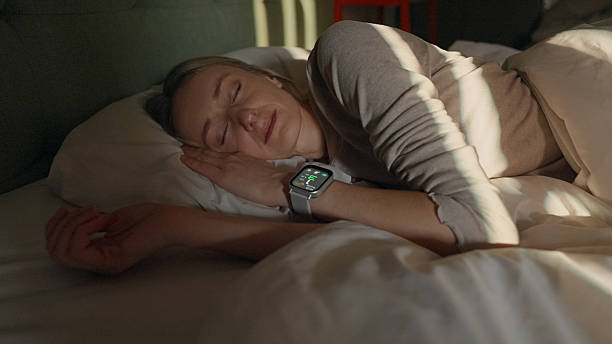
Another reality is that many American adults use their phones as a security blanket. We check the weather, set the morning alarm, and sometimes listen to a sleep story or a white noise track. The good news is that you do not have to abandon all technology. Modern sleep aids like sleep-tracking wearables or dedicated white noise machines exist without the blue-light burden. You can set your phone on airplane mode, place it across the room, and use a basic digital alarm clock instead. The thirty-minute rule is not about eliminating screens from your life; it is about eliminating the psychological activation that comes from them. When you check work emails, you re-engage your problem-solving brain. When you watch a tense video, your heart rate increases. That activation is the enemy of sleep.
Realistically, sticking to this rule every single night is tough. You might have a late shift, a restless child, or a partner who uses screens in bed. The key is to treat this rule as a flexible compass, not a rigid law. If you miss the full thirty minutes, aim for fifteen. If you cannot completely avoid screens, reduce your screen brightness, enable the night shift or blue-light filter, and hold the device at arm’s length. Light intensity diminishes exponentially with distance, so physically moving the screen farther from your face helps. But the gold standard remains zero screens in the half-hour before you lie down.
The payoff for this habit is profound. After just a few nights of consistent adherence, you may notice that you fall asleep faster, wake up less during the night, and feel more refreshed in the morning. Your body begins to anticipate the wind-down routine, and your circadian rhythm strengthens. You stop needing to “crash” into sleep and instead ease into it like a gentle tide. The thirty-minute no-screen rule is not a punishment. It is a gift you give your future self. In a culture that glorifies constant connection, choosing to disconnect for thirty minutes is an act of quiet rebellion that pays dividends in energy, mood, and long-term health. At SleepGoals, we believe that optimizing sleep starts with small, sustainable changes. This is one of the smallest and most sustainable you can make. The reality is that it works—if you give it an honest try.
Dream Blog
Real sleep talk for real people.


The Science Behind Weighted Blanket Sounds

Targeted Dream Incubation for Skills