Partner Snoring App Decibel Level Charts
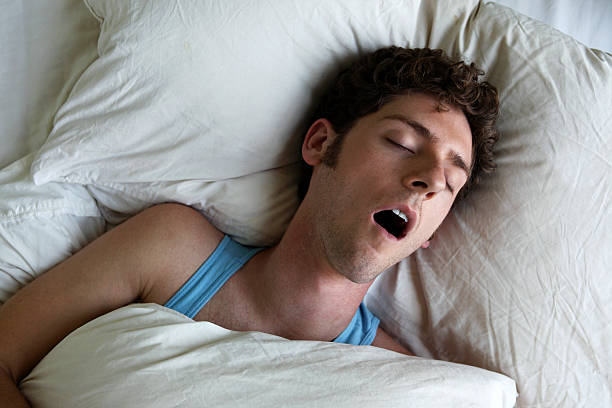
First, let’s talk about what a decibel actually is. Decibels measure sound intensity, and the scale is logarithmic, which means a small increase in number represents a big jump in loudness. Normal conversation is around 60 decibels. A vacuum cleaner runs about 70 decibels. Snoring typically starts around 40 to 50 decibels, which is comparable to light rainfall or a quiet library. Mild snoring at this level may not wake you or your partner, but it can still fragment sleep quality over time. As snoring gets louder, it enters the 60 to 70 decibel range, similar to a loud radio or a busy street. At this point, the sound becomes disruptive, causing your partner to shift positions or even wake briefly. The real concern comes when snoring hits 80 decibels or above—equivalent to a garbage disposal or heavy traffic. This is often a sign of obstructive sleep apnea, a serious condition where breathing stops repeatedly during the night. By using a snoring decibel level chart in your sleep monitoring app, you can see exactly where your snoring falls on this scale and decide if it is time to consult a doctor.
How do you actually use these charts in your nightly routine? Most partner snoring apps, including those recommended on SleepGoals, automatically record audio overnight and then analyze the peaks. In the morning, you will see a graph of your snoring intensity over time, with decibel levels color-coded from green (quiet) to red (very loud). This overnight audio and snore recording feature is a game-changer for couples who have been arguing about who snores more or whether any snoring happened at all. Instead of relying on memory or frustration, you have objective data. For example, if you see that your snoring spikes above 70 decibels for more than a few minutes each night, you can experiment with changing sleep positions, using a special pillow, or trying a nasal strip. After a week, you can look at the chart again to see if the decibel levels dropped. This is real, actionable feedback that helps you monitor sleep effectively without needing expensive lab equipment.
Beyond just annoying your partner, loud snoring is a red flag for your overall health. Studies have shown that chronic loud snoring above 60 decibels is linked to higher risks of high blood pressure, heart disease, and stroke. The vibrations from snoring can irritate the tissues in your throat, causing inflammation that worsens over time. By paying attention to your snoring decibel level chart, you become proactive about your sleep hygiene. If your app shows consistent readings above 80 decibels, you should absolutely mention it to your doctor. They may recommend a sleep study to rule out sleep apnea. Remember, monitoring sleep isn’t just about feeling rested—it is about catching potential health issues early. The beauty of modern apps is that you can do this from the comfort of your own bed, in your own routine, without wires or hospital visits.
SleepGoals encourages you to treat your snoring decibel level chart like a fitness tracker for your throat. Just as you would track steps to improve your activity, tracking snoring volume helps you optimize your sleep environment. Maybe you will discover that alcohol before bed raises your decibel levels by ten points. Or that sleeping on your back is your worst enemy. These insights come directly from the data your overnight audio recording collects. Over time, you will build a personal sleep profile that shows what works and what doesn’t. That is the power of knowing the numbers. So tonight, set up your partner snoring app, let it record, and check your decibel level in the morning. You might be surprised by what you learn—and grateful for the quieter, healthier sleep that follows.
Dream Blog
Real sleep talk for real people.


Gel Swirls The Original Cooling Foam

Why Under-Mattress Sensors Might Be the Best Sleep Tracker You Never Have to Think About