Humidifier versus Dehumidifier for Sleep
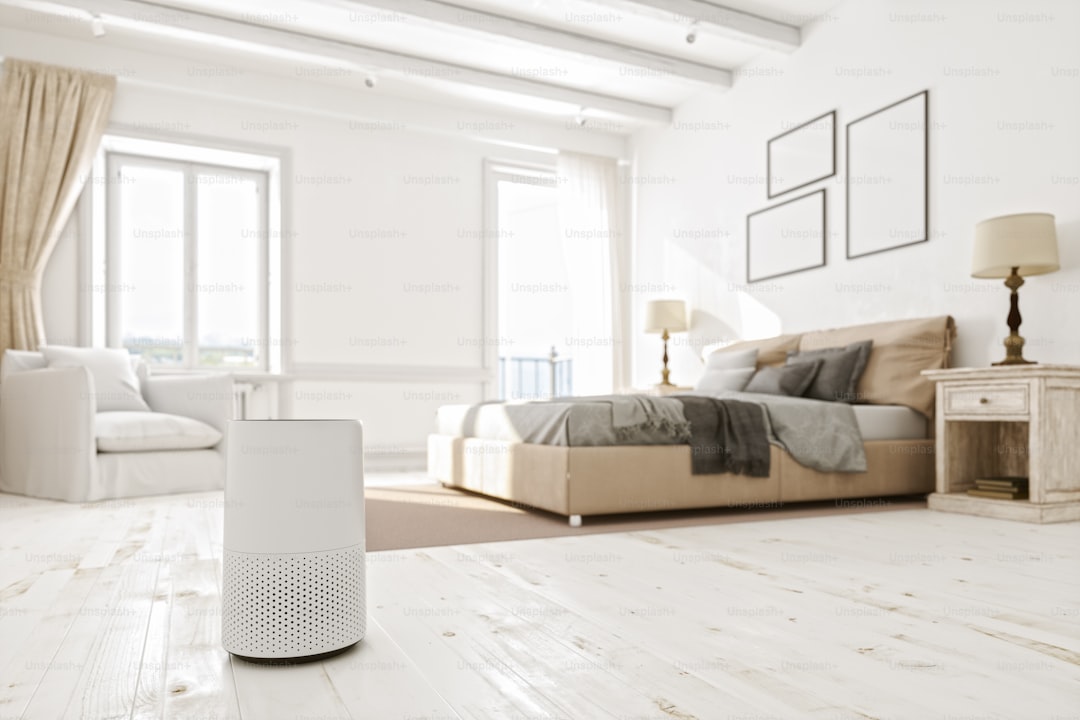
Let us start with the basics. The air in your bedroom holds moisture, and the amount of that moisture is measured as relative humidity. For sleep, the sweet spot is between 30 and 50 percent. Below that, the air becomes too dry. Above that, it becomes sticky and uncomfortable. Your body is remarkably sensitive to these shifts, even when you are unconscious. Dry air can irritate your throat and nasal passages, leading to snoring or waking up with a scratchy voice. Humid air can make you feel clammy, disrupt your body’s natural cooling process, and encourage dust mites and mold.
If you live in a dry climate or run the heating all winter, your bedroom air often drops well below 30 percent. Your skin may feel tight, your lips chapped, and your sinuses might feel raw. This is where a humidifier becomes your ally. By adding gentle moisture back into the air, a humidifier can soothe your airways, reduce snoring by keeping throat tissues lubricated, and even help your skin retain its natural hydration overnight. Many sleep experts recommend a cool-mist humidifier for the bedroom because it does not raise the room temperature, which can disturb deep sleep. If you ever wake up with a parched mouth or a headache from sinus pressure, a humidifier might be the missing piece in your five-star sleep setup.
On the other hand, if you live in a humid climate or your bedroom is on a lower level, you might be fighting the opposite enemy. High humidity makes it harder for your body to cool down because sweat does not evaporate efficiently. This leads to restless tossing and turning, especially in summer. Excess moisture also encourages dust mites, mildew, and that musty smell that cheapens even the nicest bedding. In these conditions, a dehumidifier is your best investment. It pulls excess water from the air, making the room feel cooler and fresher without lowering the thermostat. A dehumidifier can also reduce allergens that trigger congestion and coughing, which are direct enemies of deep sleep. If you notice condensation on your windows or feel like your sheets are always slightly damp, a dehumidifier will transform your bedroom into a crisp, hotel-like sanctuary.
So how do you choose? The easiest way is to listen to your body and your room. If you wake up with a dry throat, static cling on your pajamas, or bloody noses during winter, lean toward a humidifier. If you wake up feeling sweaty, stuffy, or notice a musty odor, choose a dehumidifier. For those who live in moderate climates, you might actually need both devices for different seasons. Some modern households place a dehumidifier in the basement to control overall home humidity and use a small humidifier in the bedroom during dry months. That is the ultimate five-star approach: active air management.
Remember that both devices require some maintenance. Humidifiers need daily rinsing and weekly deep cleaning to prevent mold and bacteria from blowing into your air. Dehumidifiers need their filters cleaned and their water collection tanks emptied regularly. Neglecting maintenance turns a sleep aid into a source of illness. Also consider noise level. Look for models labeled “whisper quiet” or “sleep mode” so the hum does not disturb your rest. A white noise fan can actually be helpful for some sleepers, but a rattling dehumidifier is not.
Ultimately, optimizing sleep is about controlling every variable you can. Mattresses, pillows, and cooling sheets handle the surface. Wearables track your cycles. But the air you breathe all night is the invisible foundation. By matching the right machine to your specific humidity problem, you give your body the best environment to fall asleep faster, stay asleep longer, and wake up feeling like you spent the night at a luxury resort. That is the real goal of creating a five-star hotel bedroom in your own home. Choose wisely, and your sleep will thank you.
Dream Blog
Real sleep talk for real people.


The Rise of Personalized Sleep Stacks