Clinical Hypnosis versus YouTube Hypnosis

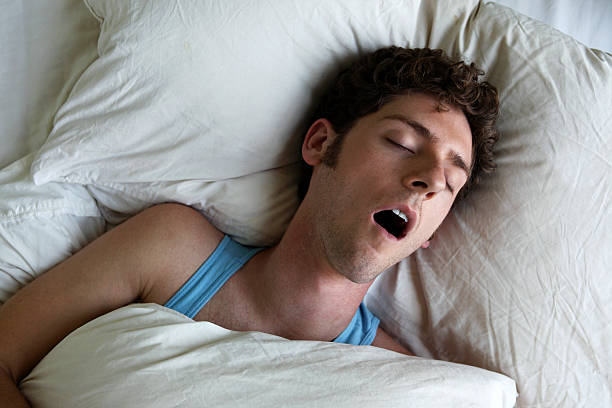
Let us start with clinical hypnosis, which is a legitimate therapeutic tool used by licensed professionals such as psychologists, physicians, or certified hypnotherapists. In a clinical setting, a practitioner guides you into a deeply relaxed, focused state known as a trance. This is not the same as being asleep or passed out. Instead, your brain becomes highly receptive to suggestions that target the root causes of your insomnia. A clinical hypnotist might help you reframe anxious thoughts about bedtime, break the habit of checking your phone at 3 AM, or release tension stored in your body from a stressful day. The key difference here is personalization. A professional can assess your unique sleep history, your triggers, and your personality, then tailor the hypnotic suggestions specifically to you. This is powerful because sleep problems are rarely one-size-fits-all. For someone whose insomnia stems from a traumatic event, a generic relaxation script will not cut it. Clinical hypnosis also involves multiple sessions, follow-ups, and often education about sleep hygiene, making it a comprehensive treatment rather than a quick hit.
Now consider YouTube hypnosis. A quick search for “sleep hypnosis” returns thousands of videos, many with millions of views. These are typically pre-recorded audio tracks that use a calming voice, soothing background music, and repetitive suggestions like “you are sinking deeper into relaxation” or “your eyes are heavy and sleepy.“ The obvious appeal is convenience and cost. You can listen for free, in your own bed, at any hour of the night. Many people find these videos genuinely helpful for falling asleep initially, especially if they are dealing with mild, situational insomnia caused by a stressful day or jet lag. The rhythmic voice, the binaural beats, and the gentle imagery act as a powerful distraction from the racing thoughts that keep you awake. There is even some research suggesting that listening to hypnosis-like audio can reduce the time it takes to fall asleep, even if the listener does not reach a deep trance state.
However, there is a catch. YouTube hypnosis is a static, generic product that cannot adapt to your personal brain. If you have an underlying condition like chronic anxiety, sleep apnea, or a circadian rhythm disorder, a recorded voice telling you to “sleep deeply” will not address the actual problem. Beyond that, the quality of YouTube hypnosis varies wildly. Some videos are created by well-meaning amateurs who have no training in psychology or hypnotherapy. Their suggestions could be poorly worded, too vague, or even counterproductive. Worse, some content creators embed subliminal messages or claims about curing diseases that have no scientific backing. While these extreme cases are rare, they highlight the risk of trusting your sleep health to an algorithm. Another practical issue is that listening to YouTube on a device can be counterproductive. The blue light emitted from a phone screen, the temptation to skip to another video, or the ads that pop up mid-hypnosis can disrupt the very relaxation you are trying to achieve.
So which one should you choose for your sleep aids toolkit? It depends on your situation. Clinical hypnosis is the better choice if you have chronic insomnia that has lasted for months or years, if your sleep problems are tied to anxiety or trauma, or if you have tried other methods without success. It is a medical-grade intervention backed by decades of research, and organizations like the American Psychological Association recognize it as an effective treatment for certain sleep disorders. The investment in time and money is significant, but for many people, it yields lasting results that a YouTube video cannot match.
YouTube hypnosis, on the other hand, is a perfectly reasonable starting point if your sleep troubles are occasional, mild, or linked to temporary stress. It is a low-risk, zero-cost tool that can help you train your brain to associate a certain voice or sound with bedtime. Think of it like a sleep hygiene supplement, not a cure. The key is to use it wisely: listen on a device that does not emit blue light, use the same video consistently to build a conditioned response, and do not expect it to fix deeper issues like pain, medication side effects, or untreated depression.
Ultimately, the best sleep aid is the one that works for you, but honesty about your sleep problem matters. If you find yourself listening to the same three-hour hypnosis video every night for six months and still waking up exhausted, it is time to move up the ladder to professional help. Hypnosis, whether clinical or digital, is a tool, not a magic wand. Use the free version to test the waters, and save the professional version for when you need a real solution. Your sleep goals deserve more than a generic script. They deserve a strategy that understands you.
Dream Blog
Real sleep talk for real people.

Dust Mites, Dead Skin, and the Case for Replacing Your Pillow
The Hidden Risk of Overheating: Why Temperature Neutral Beds Matter