The Hidden Risk of Overheating: Why Temperature Neutral Beds Matter
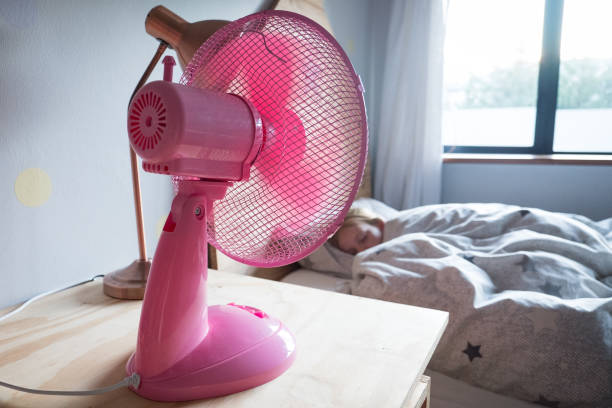
To understand why that matters, let’s look at what your body does while you sleep. About two hours before your usual bedtime, your core body temperature begins to drop. That decline continues through the night, reaching its lowest point around the middle of your sleep cycle. This cool-down is a critical signal to your brain. It says, “Hey, it’s time to slow down and go to sleep.“ At the same time, your hands and feet widen their blood vessels to release heat. This process helps your body shed excess warmth from the day. When your sleeping environment interferes with this natural cooling, your brain gets confused. It thinks you’re trying to stay awake. As a result, you produce less melatonin, have a harder time falling asleep, and wake up more often throughout the night.
This is where the mattress enters the picture. Traditional memory foam, which became wildly popular for its pressure-relieving comfort, has a major downside. It conforms tightly to your body, leaving little room for air to circulate. And foam itself is an insulator. It holds onto body heat like a winter coat. If you’ve ever slept on a basic all-foam mattress, you know that sinking feeling of waking up with a sweaty back. That’s not just uncomfortable. It’s actively working against your sleep quality.
Temperature neutral beds are designed to solve this problem. They don’t actively cool you like a refrigerator. Instead, they work to maintain a stable, comfortable surface temperature by allowing heat to escape freely. Think of it as a breathable, open system rather than a sealed, heat-absorbing sponge.
How do they do it? Several clever engineering tricks. Some use phase change materials, or PCMs, which are embedded in the mattress cover. These tiny capsules absorb heat when your body warms up, and release it when you cool down. They act as a thermal buffer that keeps the surface temperature steady. Others use gel infusions or graphite particles mixed into the foam. These materials conduct heat away from your body rather than trapping it. Many modern hybrid mattresses combine foam layers with a coil support core. The coils create open channels where air can flow, helping to dissipate the warmth that would otherwise linger. There are also newer options like latex foam, which naturally has an open cell structure and does not retain heat as much as synthetic foams.
When you choose a temperature neutral mattress, you’re not just buying a nicer night’s sleep. You’re protecting the deeper stages of rest. During slow-wave sleep and REM sleep, your body repairs muscles, consolidates memories, and regulates hormones. These stages require that cool internal environment. If your mattress keeps your skin temperature elevated, you may spend less time in these restorative stages without even realizing it. You could sleep for eight hours and still feel foggy the next day.
For hot sleepers, especially those going through menopause or living in humid climates, the difference is even more noticeable. But even if you don’t typically feel like you sleep hot, a temperature neutral bed can help maintain that consistent low-grade cooling your body depends on.
Shopping for one isn’t complicated. Look for terms like breathable, phase change, or cooling gel in the materials. Pay attention to the construction — hybrids with coils tend to sleep cooler than all-foam designs. And don’t forget that your sheets and pillowcase also play a role. Natural fibers like cotton and linen work with your mattress to wick moisture away.
Everyone deserves a bed that works with their body, not against it. The next time you’re shopping for a new mattress, skip the gimmicks and focus on those that promise temperature neutrality. Your overnight temperature is the silent anchor of good sleep. Once you get that right, everything else becomes easier to handle.
Dream Blog
Real sleep talk for real people.

Why Your Snoring Changes Throughout the Night

Wearing Two Watches Stigma Solution