The Rise of Personalized Sleep Stacks

The term “nootropic” sounds like something out of a sci-fi novel, but it simply refers to substances that enhance cognitive function. When we talk about smart drug delivery for sleep, we’re not talking about traditional sleeping pills that knock you out. We’re talking about compounds that gently guide your brain into the right sleep architecture, helping you move through the cycles that restore your memory, regulate your emotions, and repair your body. The challenge has always been timing. Most sleep aids work by overwhelming the brain’s receptors, creating a forced sleep that often leaves you groggy and dull the next morning. What if instead, a smart delivery system could read your brainwave patterns in real time and release a microdose of a specific nootropic compound exactly when you need it? That would be true sleep optimization.
The current model of popping a supplement or swallowing a prescription pill is crude. Your digestive system absorbs the substance unevenly, your metabolism processes it at its own pace, and the effect can wear off too early or peak too late. Smart delivery changes that equation entirely. Researchers are experimenting with transdermal patches that contain tiny sensors capable of detecting your heart rate variability, skin temperature, and movement. As you drift off, the patch releases a small “starter” dose of something like magnesium threonate or L-theanine, which are already known for their calming properties. But as your sleep deepens, the patch can adjust its release rate, ensuring you don’t wake up during the night and that you emerge from REM sleep feeling refreshed instead of groggy.
Even more exciting is the prospect of nootropic delivery that works with your body’s own circadian rhythm. Your brain already produces a cocktail of neurotransmitters that control when you feel tired and when you feel alert. The problem is that modern life often disrupts that natural rhythm. Bright screens, irregular schedules, and chronic stress throw off your internal clock. A smart delivery system could help reset that clock by releasing personalized amounts of substances like melatonin receptor agonists, but in a far more precise way than a simple melatonin pill. For example, a future implant or a wearable device could track your circadian phase and release a tiny burst of a compound that signals your suprachiasmatic nucleus, the master clock in your brain, to shift your rhythm slightly earlier or later depending on your needs. That would be particularly valuable for shift workers, frequent travelers, or anyone dealing with social jet lag.
But the real frontier lies in personalization. No two brains are alike. Your genetic makeup influences how you metabolize caffeine, how you respond to stress, and how well you produce certain enzymes. The same dose of a nootropic that works wonders for one person might do nothing for another, or even cause unwanted side effects. In the future, smart drug delivery will likely be paired with at-home genetic testing and brain monitoring. You might wear a headband for a few nights that records your brainwaves, and then a machine learning algorithm analyzes that data alongside your DNA profile. From that, it designs your personal sleep stack, which could include compounds like apigenin from chamomile, theanine from green tea, and even emerging substances like noopept or piracetam, all delivered through a smart patch that adapts to your nightly brain activity.
Of course, this future comes with concerns. The term “smart drug” often raises eyebrows because of the potential for misuse or overdependence. There is also the question of regulation. Should these personalized nootropics be considered supplements, foods, or prescription drugs? And what happens when a delivery system fails, sending too much of a compound into your bloodstream? These are valid issues that scientists, ethicists, and medical professionals are already discussing. The goal should never be to replace good sleep hygiene, but to enhance it. A smart nootropic patch won’t help if you’re drinking energy drinks at 9 p.m. or scrolling through social media in bed. It’s a tool, not a magic bullet.
Still, the potential is undeniable. Imagine waking up after seven hours of sleep feeling like you had a full, natural night’s rest, instead of feeling like you’ve been hit by a truck. Imagine being able to predict when you’ll be jet-lagged and having a clever patch that smooths out the transition. Imagine your elderly parents being able to maintain deep sleep, which is so critical for preventing cognitive decline. This is the promise of smart drug and nootropic delivery. As we continue to unlock the mysteries of the sleeping brain, we will also learn how to support it with targeted, intelligent compounds. The days of one-size-fits-all sleeping pills count. The future is personal, precise, and delivered at the exact moment your brain needs it.
Dream Blog
Real sleep talk for real people.

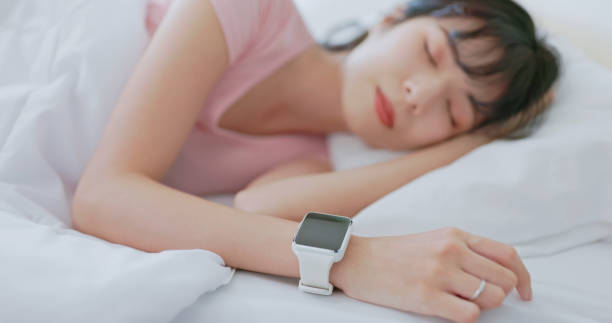
SleepWatch AI Body Battery Analysis

Prescription Medications That Cause Insomnia