SleepWatch AI Body Battery Analysis
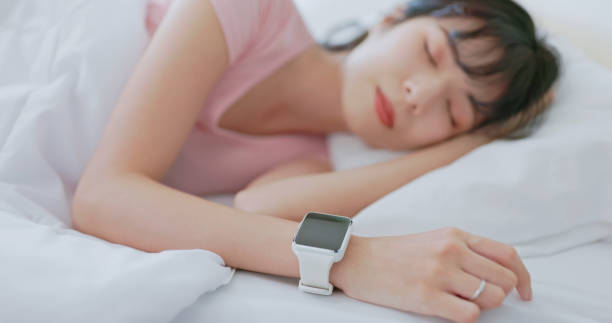
SleepWatch isn’t just another sleep tracker. It’s a wearable-powered tool that uses artificial intelligence to analyze your heart rate variability, sleep stages, and activity patterns to calculate a real-time “body battery” score. Think of it as a fuel gauge for your entire body. When you wake up after a solid night of deep sleep, your battery might read 95 percent. After a stressful day at work with only five hours of broken sleep? You might be starting at 30 percent. The AI learns your unique patterns over time, so it doesn’t just tell you how you slept last night—it tells you how that sleep is affecting your energy right now.
The science behind this is rooted in heart rate variability, or HRV, which measures the time between your heartbeats. Higher HRV generally means your body is in a rested, recovery-friendly state, ready to handle stress. Lower HRV suggests fatigue, overtraining, or poor sleep quality. SleepWatch’s AI takes that raw data and layers it with your sleep stages—how much time you spent in deep sleep, light sleep, and REM—plus your daily activity, to give you a personalized energy score. It’s not a generic number. It’s a reflection of your body’s actual recovery status.
For someone trying to optimize their sleep, this is a game-changer. Instead of guessing whether you need an extra hour in bed or a power nap at 2 p.m., you can check your body battery. If it’s draining fast after lunch, you know you need a short rest or a walk. If it’s holding steady, you can push through that project with confidence. Over weeks of use, patterns emerge. You might notice that eating late or drinking alcohol before bed drops your battery by 15 points. Or that a consistent bedtime gives you a morning score that feels like a superpower. The AI doesn’t judge—it just reports, so you can make smarter choices.
The wearable itself is typically a compatible smartwatch or fitness band that syncs with the SleepWatch app. You don’t need a bulky medical device. Most Americans already own a device capable of this analysis, like an Apple Watch, Fitbit, or Garmin. SleepWatch simply adds the AI layer that makes the raw numbers meaningful. It’s the difference between knowing your car has half a tank and knowing you’ll run out of gas before you reach the next town.
Of course, no wearable is perfect. Body battery scores aren’t a substitute for a medical sleep study if you suspect serious issues like sleep apnea. But for the vast majority of adults who just struggle with poor sleep habits, stress, or inconsistent schedules, this tool offers actionable insights. It turns vague feelings of tiredness into measurable data you can act on.
SleepGoals, the website hosting this content, understands that wearables are just one piece of the sleep puzzle. The future of sleep optimization will likely combine AI-driven analysis with smart mattresses, cooling sheets that adjust temperature overnight, and even personalized sleep coaches that text you tips based on your body battery trends. But for right now, the SleepWatch AI Body Battery analysis is one of the most practical, affordable ways to stop guessing and start knowing how your sleep truly affects your day.
If you’ve ever wished you could see inside your body and check your energy reserves, this is the closest thing we have. Put on your wearable, charge it up, and let the AI do the heavy lifting. Your body battery is waiting to be read, and the story it tells might just change how you sleep tonight.
Dream Blog
Real sleep talk for real people.


Washing Silk Pillows Without Ruining

Why Fan Noise Is Universally Soothing