Understanding the Sleep Benefits of CBD and CBN
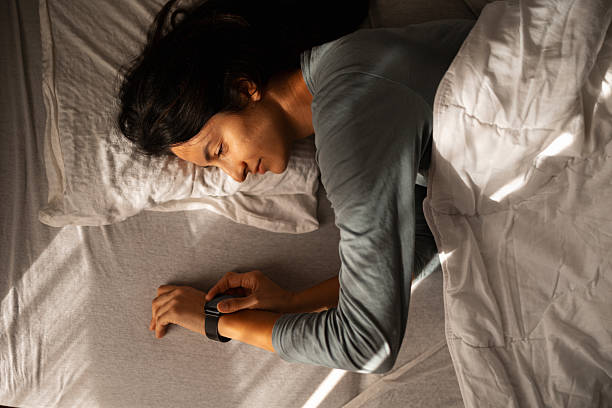
Let’s start with CBD, or cannabidiol. This compound has become incredibly popular for its calming effects without any kind of high. Your body has something called the endocannabinoid system, which helps regulate mood, pain, and sleep. CBD interacts with this system in a gentle way. For many people, the real sleep benefit comes from CBD’s ability to lower anxiety. If you lie awake at night with a racing mind worrying about work, family, or tomorrow’s to-do list, CBD might help quiet that mental noise. It does not knock you out like a traditional sleeping pill. Instead, it creates a sense of relaxation that makes it easier to drift off naturally. Some research suggests CBD can also improve sleep quality by reducing the time it takes to fall asleep and by supporting deeper stages of sleep. However, the effects can vary based on dose. A small amount might be energizing for some people, while a larger amount tends to be more sedating. This means finding your personal sweet spot often requires some trial and error.
Then there is CBN, or cannabinol, which has recently gained attention as the “sleepy” cannabinoid. Unlike CBD, CBN is actually a byproduct of THC as it ages and breaks down. That is why older cannabis tends to have more CBN. Historically, people thought CBN was the main reason why old weed made you drowsy. Modern research is more nuanced. CBN does appear to have sedative properties, especially when combined with other cannabinoids or compounds called terpenes. But it is important to know that CBN is not a miracle knockout drug. In fact, a few studies have shown that CBN alone may not cause significant sleepiness in healthy people. The effect becomes much stronger when it is paired with CBD, THC, or specific terpenes like myrcene, which is found in hops and lemongrass. This synergy is often called the entourage effect. Basically, the whole plant’s components work better together than any single molecule on its own.
So how do you choose between CBD and CBN for your sleep issues? Think about the root cause. If your problem is anxiety or a busy mind, CBD is probably your first stop. It is widely available, well studied, and generally well tolerated. If you have tried CBD and still wake up frequently during the night, or if you have chronic pain that disrupts your rest, then a product with CBN might be worth testing. Many sleep-focused gummies and tinctures now contain both CBD and CBN in a ratio that is meant to promote relaxation and deep sleep. A common approach is to start with a product that has roughly two to five milligrams of CBN along with twenty to fifty milligrams of CBD. That gives you the anxiety-reducing benefit of CBD plus the extra sedating push from CBN. Always start low and go slow. Give your body a few nights to adjust before changing the dose.
One crucial piece of advice is to look for third-party lab testing. Because CBD and CBN products are not heavily regulated by the FDA, quality can vary wildly from brand to brand. A trustworthy company will provide a certificate of analysis showing exactly how much CBD and CBN are in each serving, plus proof that the product is free of pesticides, heavy metals, and excess solvent. Also, be aware that CBN can cause dizziness or dry mouth, and it may interact with certain medications, especially those that affect the liver. It is always a good idea to talk to your doctor before adding any supplement to your routine, especially if you are pregnant, taking prescription medication, or have an underlying health condition.
Cannabis science is still young, but the early evidence for CBD and CBN is promising. They are not magic cures, and they will not fix poor sleep hygiene or a bad mattress. But for many adults, these compounds offer a natural, non-habit-forming option that feels gentler than prescription sleep aids. The key is to understand your unique sleep struggles, choose the right molecule, and pay close attention to how your body responds. With patience and a little experimentation, CBD, CBN, or both might become the missing piece in your nighttime routine.
Dream Blog
Real sleep talk for real people.


Withings Sleep Analyzer Under Mattress

Mindfulness for Non-Meditators in Bed