Under-Mattress Sleep Sensors: The Silent Way to Better Rest
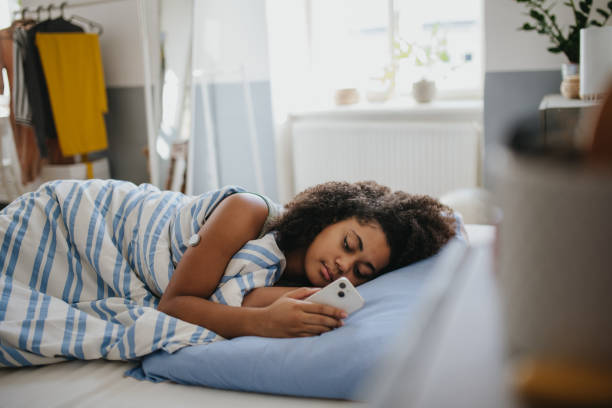
Under-mattress sensors are thin pads or strips that slip between your mattress and your box spring or foundation. They plug into a small hub that connects to your home Wi-Fi, and from there they send data to an app on your phone. Some models are designed to sit on top of the mattress under your fitted sheet, while others are meant to rest underneath the entire mattress. Either way, you will never notice they are there. No charging, no buttons, no blinking lights in your face. Once they are set up, they simply do their job every night.
How do they actually track your sleep? These sensors are packed with highly sensitive pressure and motion detectors. They can feel the subtle rise and fall of your chest as you breathe, the tiny shifts you make when you turn over, and the almost imperceptible movements that happen during lighter stages of sleep. Because you are not moving much during deep sleep, the sensors can infer your sleep cycles with surprising accuracy. They also track your heart rate and respiratory rate using a technique called ballistocardiography, which measures the mechanical vibrations your body produces with every heartbeat. All of this happens without a single wire touching your skin.
For many Americans, the biggest benefit is the complete lack of intrusion. If you share a bed with a partner, you do not need to worry about waking them up to adjust a wearable device. Under-mattress sensors are silent and invisible. They also eliminate the daily chore of charging yet another gadget. Most wearables last anywhere from three to ten days on a single charge, and it is easy to forget to plug them in. Under-mattress sensors are plugged into an outlet, so they are always powered and always ready. You simply wake up, open the app, and see your sleep score, your total sleep time, your time in different sleep stages, and even trends over weeks and months.
Another major advantage is the accuracy for people who suffer from conditions like restless legs or frequent nighttime trips to the bathroom. Wearables often misinterpret those extra movements as wakefulness, which can make your sleep data look worse than it really is. Under-mattress sensors are less sensitive to small fidgets and more focused on your overall body position and breathing patterns. That can give you a clearer picture of your actual sleep quality, not just how much you tossed and turned.
Of course, under-mattress sensors are not perfect. They cannot tell if your sleep is being disrupted by a noisy neighbor or a room that is too warm. They also do not track naps unless you lie down on the bed during the day, and they cannot follow you if you fall asleep on the couch. But for most people, the bed is where the real sleep happens. And for those who value a clean, uncluttered bedside table, the under-mattress sensor is a refreshing alternative to a charging dock full of cables and devices.
If you are thinking about trying one, there are a few things to keep in mind. Make sure the sensor pad is compatible with your bed size, whether you have a queen, king, or twin. Also check whether it works with a memory foam mattress, as some sensors rely on the slight compression of innerspring mattresses to detect your movements. Most modern models are designed to work with all mattress types, but it is worth reading the details before you buy. Finally, look for an app that gives you personalized insights rather than just raw data. The best under-mattress sensors will help you understand what your numbers mean and offer practical suggestions, such as adjusting your bedtime or cutting back on caffeine in the afternoon.
For anyone who has been curious about tracking sleep but does not want to wear a device, under-mattress sensors are a wonderful middle ground. They give you the data you need to make smarter decisions about your rest, while letting you sleep exactly the way you always have. No straps, no rings, no watches. Just your bed, your pillow, and a quiet little sensor doing its work in the dark. Sleep is one of the most personal parts of your day, and it makes sense that the tools you use to improve it should feel just as personal and unobtrusive. With under-mattress sensors, you get all the benefits of modern sleep tracking and none of the hassle. That is a win for anyone who wants better rest without waking up with a red mark on their wrist.
Dream Blog
Real sleep talk for real people.

High-Tech Polyester for Hyperhidrosis

Sleep Spindles: The Brain’s Nighttime Filing System