Garmin Body Battery Explained Simply
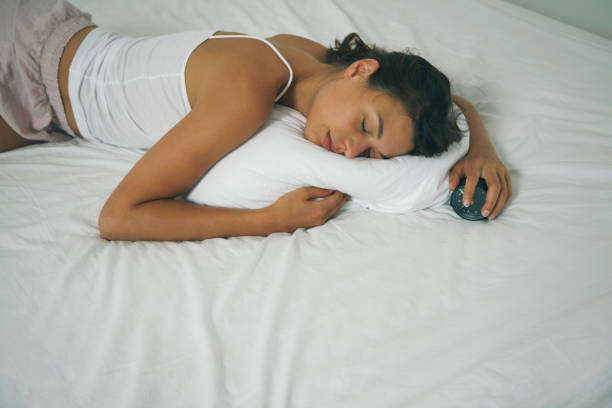
At its core, Garmin Body Battery works by combining two key measurements: heart rate variability, or HRV, and stress levels. HRV is the tiny variation in time between each heartbeat. A high HRV usually means your body is relaxed and recovering well, while a low HRV signals stress or fatigue. During the night, your body naturally shifts from a state of stress to a state of rest. Garmin’s sensors track this shift in real time, and the Body Battery number rises as you get quality sleep. Think of it like your phone battery charging overnight. If you sleep poorly, your battery only charges to fifty percent by morning. If you sleep deeply and long enough, you wake up with a full charge between eighty and one hundred.
The beauty of this system is how it exposes the hidden cost of poor sleep. You might think you slept seven hours, but if your Body Battery only increased by twenty points overnight, that tells a different story. Common causes like late caffeine, alcohol, or even an uncomfortable mattress can keep your stress levels high without you realizing it. Garmin records this as low restorative sleep, and the Body Battery number drops accordingly. By checking your Body Battery trend each morning, you can start connecting the dots between your bedtime habits and your energy the next day. For example, if you notice a pattern of low charge after drinking wine with dinner, that is a clear signal to adjust your routine.
But monitoring sleep with Garmin Body Battery is not just about tracking numbers—it is about making small, practical changes. Because the feature updates continuously, you can see how your energy rises and falls during the day. A midday dip might mean you need a short nap, or it could indicate that you did not get enough deep sleep the night before. Over time, this feedback loop helps you optimize your sleep schedule. You might decide to go to bed thirty minutes earlier, reduce screen time before bed, or invest in better pillows and cooling sheets. The goal is not perfection; it is consistency. Even small improvements in your nightly sleep score can lead to a noticeably higher Body Battery at sunrise.
For anyone struggling with sleep issues, this tool is especially useful because it removes guesswork. Instead of feeling vaguely tired, you have a concrete reason. You can see exactly when your stress spiked during the night, which might correspond to a partner’s snoring, a hot room, or a racing mind. Garmin also provides a Sleep Score alongside Body Battery, breaking down your time in light, deep, and REM sleep. Deep sleep is when your body repairs muscles and tissues, while REM sleep supports memory and emotional health. If Body Battery is your energy gauge, sleep stages are the engine behind it. By reviewing both together, you can identify whether you need more total sleep time or better quality within those hours.
Of course, no wearable is perfect. Garmin Body Battery works best when worn consistently, even during naps. It also relies on accurate heart rate data, so the watch should fit snugly but comfortably on your wrist. If you switch between different wearables for comparison—which is common for readers of our Wearable Trackers Face-Off section—remember that each brand calculates sleep and energy differently. Garmin tends to prioritize heart rate variability and stress, while others may focus on movement or skin temperature. The key is to pick one method and stick with it long enough to see patterns. Consistency matters more than absolute precision.
Ultimately, monitoring sleep through Garmin Body Battery gives you a simple, visual reason to care about your nightly habits. It turns sleep from an abstract idea into a daily, actionable metric. When you wake up and see a charge of eighty-five, you know you are ready for the day. When you see forty, you know to take it easy and prioritize rest that night. For American adults juggling work, family, and endless to-do lists, that clarity is invaluable. Your sleep is not just downtime—it is the foundation for everything else. And now, with a tool as straightforward as Body Battery, you finally have a way to see exactly how well that foundation is holding up.
Dream Blog
Real sleep talk for real people.


Brain Stimulation and Sleep: The Next Frontier

Humidifier versus Dehumidifier for Sleep