The Best Breathable Pajama Fabrics
Why Fabric Choice Matters for Sleep Temperature
Your sleep environment is more than just the thermostat setting. Your body’s thermoregulation system works hard during the night, signaling your blood vessels to dilate and release heat. If your pajamas trap that heat, your body has to work harder to cool down, which can lead to restless tossing, turning, and even waking up. Breathable fabrics allow air to circulate, wick moisture away from your skin, and prevent that stifling feeling that makes you want to kick off the covers. For American adults who deal with everything from hot flashes to humid summer nights, picking the right material is a simple but powerful sleep hack.
Cotton: The Classic Cool
You can’t go wrong with good old cotton, especially when it comes to breathability. Cotton is a natural fiber that allows air to pass through easily, which helps your body regulate temperature. But not all cotton is created equal. Look for lightweight, loosely woven options like percale or voile. Percale has a crisp, matte finish that feels cool against the skin, while voile is even finer and more airy. Avoid heavy flannel or thick jersey knit if you tend to run warm—they can trap heat instead of releasing it. For the best results, choose 100% organic cotton, which is often softer and more breathable than conventional blends.
Linen: The Ultimate Warm-Weather Hero
If you live in a hot climate or simply sleep hot, linen is your best friend. Linen is made from flax fibers, which are naturally hollow, allowing for superior airflow. It also has the unique ability to wick moisture away from your skin faster than cotton, keeping you dry even if you perspire. Linen pajamas have a relaxed, slightly wrinkled look that many people love, but the real benefit is how cool they feel. The fabric can absorb up to 20% of its weight in moisture without feeling damp, which is a game changer for hot sleepers. The only downside is that linen can be a bit scratchy at first, but it softens beautifully with each wash.
Bamboo Viscose: Silky and Sustainable
Bamboo-derived fabrics have become incredibly popular in the sleepwear world, and for good reason. Bamboo viscose is incredibly soft—often softer than cotton—and it has natural moisture-wicking properties. The fibers are round and smooth, which reduces friction against your skin and allows for excellent breathability. Bamboo pajamas also have a natural cooling effect, making them ideal for people who experience night sweats or live in humid environments. Just make sure you choose bamboo lyocell or bamboo viscose that is processed using closed-loop methods, as some manufacturing can be less eco-friendly. The result is a pajama that feels like a gentle, cool hug all night long.
Tencel Lyocell: The Modern Marvel
Tencel is a branded form of lyocell, made from sustainably sourced wood pulp, usually eucalyptus. It’s engineered to be highly breathable and moisture-wicking, often outperforming cotton. Tencel fibers are incredibly fine, which creates a smooth, silky texture that glides over your skin and prevents overheating. It also resists bacterial growth, which means your pajamas stay fresher longer. For anyone who wants a luxurious feel without the price tag of silk, Tencel is a fantastic middle ground. It’s also a great choice for people with sensitive skin because it’s naturally hypoallergenic.
Silk: A Touch of Luxury with Caution
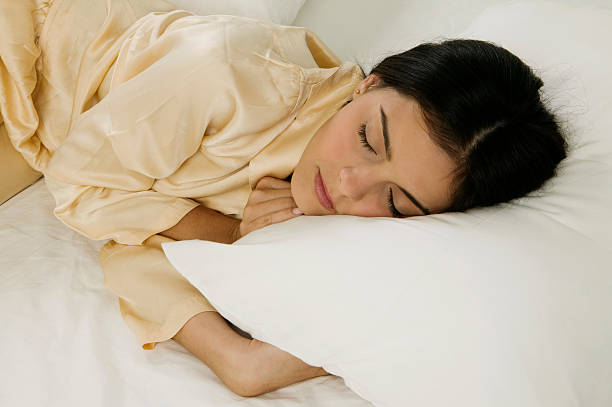
Silk is often associated with luxury, but it’s a double-edged sword for temperature regulation. Natural silk is breathable and can help keep you cool, but it doesn’t wick moisture as well as linen or bamboo. If you tend to sweat heavily, silk can become clammy and clingy. That said, for people who sleep in a consistently cool room, silk pajamas are wonderful because they feel smooth and allow your skin to breathe without sticking. Look for mulberry silk with a momme weight of 19 or lower for the lightest, most breathable option.
What to Avoid
Steer clear of synthetic fabrics like polyester, nylon, and acrylic for sleeping. These materials are plastic-based and trap heat and moisture against your skin, leading to overheating and night sweats. Even if they feel soft in the store, they lack the natural airflow your body needs for deep, restorative sleep.
Final Thoughts on Your Sleepy Wardrobe
Optimizing sleep often starts with small changes, and swapping out your pajamas is one of the easiest. Whether you choose crisp cotton, airy linen, silky bamboo, or modern Tencel, the key is prioritizing fabrics that let your body breathe. Pay attention to how you feel when you wake up—if you’re sweating or kicking off covers, it might be time for a fabric upgrade. At SleepGoals, we believe every detail matters when it comes to rest. So tonight, slip into something breathable and let your body do what it does best: sleep deeply and coolly.
Dream Blog
Real sleep talk for real people.


The Rebound Alertness From Booze
Your Nightly Heart Rate Variability