Your Nightly Heart Rate Variability
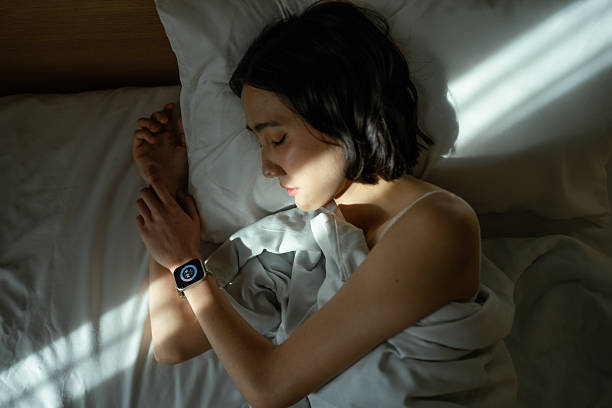
Smart rings have made HRV tracking an effortless nightly habit. Unlike bulky smartwatches that need frequent charging and can feel obtrusive on the wrist, a smart ring is lightweight and designed for continuous wear. This discreet design encourages consistent data collection, crucial because HRV varies naturally day to day. A single night’s reading means little on its own. Your ring provides a rolling baseline, so you can observe trends over weeks and months. Over time, you start to see patterns: how a late dinner, an extra glass of wine, or a stressful workday affects your next morning’s HRV. This awareness is powerful because it turns an abstract concept like sleep quality into a concrete, personally meaningful number.
A useful aspect of tracking HRV is that it gives you a window into your body’s recovery process. While you sleep, your body performs critical repair work: heart rate slows, blood pressure drops, and your nervous system shifts into a parasympathetic state. The degree to which this happens is reflected in your nightly HRV. If your ring shows a higher HRV than your personal baseline, that is a strong hint you are ready for a challenging workout or demanding day. If your HRV is lower than usual, it might be smart to take a recovery day, prioritize relaxation, or go to bed earlier that night. In this way, smart rings turn sleep tracking from a passive activity into an active, daily tool for better decision making.
Another benefit is the lack of friction. Because the ring is small and comfortable, you do not have to charge it every night like some watches. Many smart rings boast a battery life of five to seven days, so you can wear them through showers and even light exercise. This convenience removes a major barrier to long-term tracking. The less effort you put into wearing a device, the more likely you are to wear it every single night. That consistency matters more than any individual metric, because your sleep patterns unfold over time.
Also remember, your smart ring is a wellness tool, not a medical device. If you notice a sustained, dramatic drop in HRV and feel unwell, talk to your doctor. Heart conditions or medications may affect HRV, so interpret readings with caution. Used wisely, your ring can complement your health routine without replacing professional guidance.
For many, the real eye-opener comes when they connect their HRV trends to daily habits. You might notice that your HRV improves after a night of reading instead of scrolling your phone, or that it drops after a heavy evening meal. These small, personalized insights are far more actionable than generic advice like “get seven to nine hours of sleep.“ Instead, you learn what particular behaviors help or harm your personal recovery. That is the true promise of smart rings discreet tracking: not just collecting data, but translating that data into practical, everyday choices that support the best version of your sleep.
With your smart ring, resist the urge to obsess over any single morning number. HRV is highly personal, and comparing your baseline to a friend’s is almost meaningless. Focus on your own long-term trajectory. Notice how your HRV changes across a work week, a vacation, or after a stressful event. Over time, this nightly signal can become one of the most valuable tools in your kit for optimizing sleep, managing stress, and understanding your body’s unique needs. The best part is you barely have to think about it. The ring does its job quietly on your finger, while you sleep.
Dream Blog
Real sleep talk for real people.

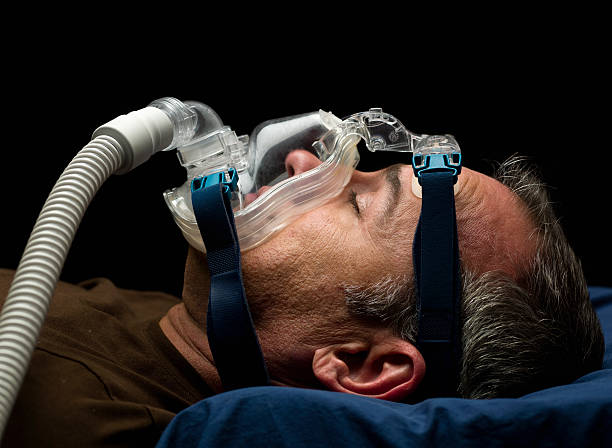
Surgical Options Beyond CPAP Machines
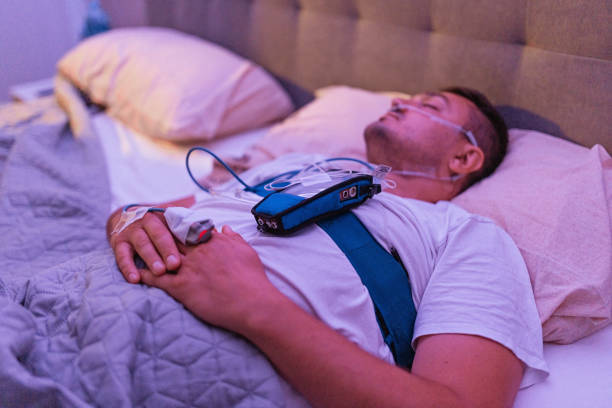
Emfit QS Ballistocardiography Data