Surgical Options Beyond CPAP Machines
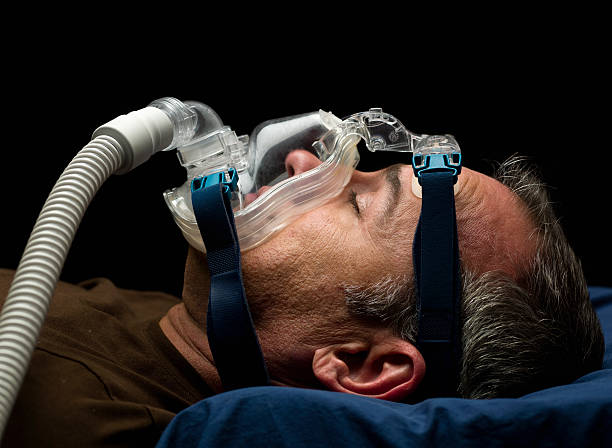
Sleep apnea is one of the most common causes of poor sleep, and untreated, it can lead to serious health issues like high blood pressure, heart disease, and daytime fatigue that affects your work and relationships. When CPAP fails—either due to intolerance or inadequate results—surgery may be the next step. But not all surgeries are the same. The best approach depends on the specific anatomical cause of your airway obstruction.
The most well-known surgical option is the Uvulopalatopharyngoplasty, or UPPP. This procedure removes excess tissue in the throat, including the uvula, part of the soft palate, and sometimes the tonsils. It is designed to widen the airway and reduce snoring and apnea events. UPPP is most effective for people with obstruction at the level of the soft palate. However, it is not a cure-all. Success rates vary, and some patients continue to need a CPAP or a different therapy afterward. Because recovery can be painful—think sore throat for a week or two—it is important to discuss realistic expectations with your surgeon.
Another common procedure is the tonsillectomy and adenoidectomy. While often thought of as a childhood surgery, adults with enlarged tonsils or adenoids can benefit significantly. Removing these structures can open up the back of the throat dramatically. In fact, for otherwise healthy adults with large tonsils, this surgery has a high success rate and can resolve sleep apnea entirely. It is generally less painful than UPPP recovery, but still requires downtime and a soft food diet.
For patients whose obstruction is lower in the airway, particularly at the base of the tongue, more advanced procedures are available. One option is hypoglossal nerve stimulation, sometimes called the Inspire implant. This involves placing a small device under the skin of the chest that sends mild electrical signals to the nerve controlling tongue movement. When you breathe in during sleep, the device stimulates the tongue to move forward, keeping the airway open. This is not a surgery for everyone—candidates usually have moderate to severe sleep apnea, cannot tolerate CPAP, and have a body mass index under 32. But for those who qualify, it can be remarkably effective, with many patients experiencing significant reductions in apnea events and snoring within a few months.
If your airway is blocked by the soft palate and the tongue base, a procedure called the maxillomandibular advancement may be considered. This is a more extensive surgery where the upper and lower jaws are cut and repositioned forward. It essentially enlarges the entire airway and is one of the most effective surgical treatments for sleep apnea, with success rates exceeding 85 percent in carefully selected patients. Recovery is more involved—expect a liquid diet for weeks, some facial swelling, and time off work. But for patients with severe apnea and a favorable facial structure, it can be curative.
It is also worth mentioning that some people with sleep apnea have nasal obstruction as a contributing factor. A deviated septum, nasal polyps, or enlarged turbinates can make breathing through the nose difficult, which can worsen apnea at night. In such cases, a simple septoplasty or turbinate reduction can improve airflow and make CPAP therapy more tolerable. Surgery in the nose rarely cures sleep apnea on its own, but it often makes other treatments work better.
Before considering any surgical option, you need a thorough evaluation. That typically includes a sleep study to confirm the severity of your apnea, as well as imaging like a CT scan or drug-induced sleep endoscopy. The latter is a procedure where you are lightly sedated, and a tiny camera is passed through your nose to visualize exactly where and how your airway collapses. This helps your surgeon tailor the procedure to your unique anatomy.
Surgery is not a quick fix. Recovery times vary, and there are risks including bleeding, infection, changes in voice, or swallowing difficulties. Some people find that their apnea improves but does not disappear entirely. However, for those who cannot or will not use CPAP, surgical options offer a real path to better sleep and better health.
At SleepGoals, we know that poor sleep affects every part of your life. If CPAP is not working for you, talk to a board-certified sleep specialist or an otolaryngologist (ENT) who specializes in sleep surgery. They can help you decide if a surgical approach could finally give you the restful nights you deserve.
Dream Blog
Real sleep talk for real people.

Restless Legs Syndrome Relief With Weight
The Rise of Personalized Sleep Stacks