Restless Legs Syndrome Relief With Weight
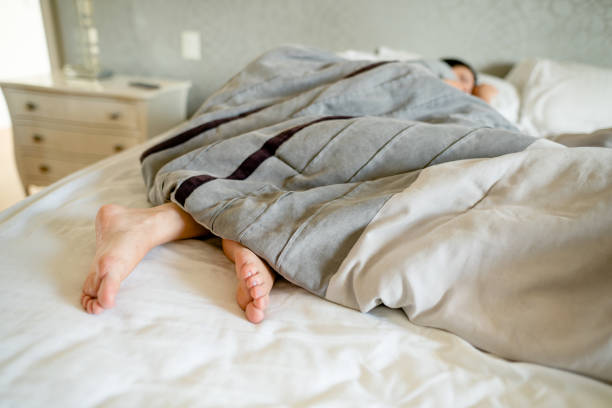
At its core, Restless Legs Syndrome is a sensory and motor disorder that typically worsens during periods of rest or inactivity. The exact cause isn’t fully understood, but it often involves imbalances in dopamine, iron levels, or disruptions in the body’s natural circadian rhythms. What is clear is that the symptoms are real and exhausting. People with RLS often describe a sensation that can only be relieved by moving their legs, which means tossing, turning, and frequent awakenings. Over time, this leads to sleep deprivation, daytime fatigue, and even mood changes. Traditional sleep aids like over-the-counter antihistamines or prescription medications can have side effects or lose effectiveness, leaving many adults searching for a safer, more consistent solution.
Weighted blankets offer something unique: deep pressure stimulation. This gentle, even pressure across your body has been shown to increase serotonin levels and decrease cortisol, the stress hormone. When you wrap yourself in a weighted blanket, your nervous system gets a signal that it is safe and held. For someone with RLS, this can be transformative. The weight provides a constant, grounding sensation that can override the irritating signals from your legs. Instead of focusing on the need to move, your brain starts registering the comforting pressure, which can help settle the sensory chaos. Many people report that the blanket feels like a firm, comforting hug, which naturally encourages relaxation and reduces the urge to fidget.
But how exactly does this weight translate to RLS relief? Think about the way a gentle squeeze can calm anxiety or how a weighted vest helps some children with sensory processing disorders. The same principle applies here. The deep pressure stimulates the vagus nerve, which is part of your parasympathetic nervous system responsible for the rest-and-digest response. When that system is active, your heart rate slows, your muscles relax, and your brain shifts away from hyperarousal. For RLS sufferers, this can mean fewer leg movements and a longer stretch of uninterrupted sleep. In fact, a 2021 study published in the Journal of Clinical Sleep Medicine found that weighted blankets significantly reduced the severity of RLS symptoms and improved sleep quality in participants, with many reporting a noticeable difference within the first week.
When shopping for a weighted blanket for RLS, weight matters. A general rule is to choose one that is about ten percent of your body weight. A blanket that is too light won’t provide enough deep pressure to calm your legs, while one that is too heavy can feel restrictive or uncomfortable. For most adults, that means a blanket between twelve and twenty pounds. The material also matters. Look for blankets with a smooth, breathable cover, such as cotton or bamboo, since RLS symptoms can be sensitive to heat. A weighted blanket that traps warmth might make you sweat, which can actually trigger more leg movements. Many options now come with removable, washable covers, making them easy to care for during allergy season or hot summer nights.
It is also important to use the weighted blanket correctly. Do not expect it to cure RLS overnight. Instead, use it as part of a consistent bedtime routine. Lie down with the blanket draped evenly over your legs and torso. Some people find that placing extra weight specifically on the lower legs or feet helps target the exact area of discomfort. If you share a bed with a partner, consider a twin-sized or queen-sized blanket that covers only your half. This prevents your sleeping partner from feeling the weight and allows you to adjust your own positioning. If you wake up during the night with a sudden urge to move, keep the blanket in place and try slow, deep breathing for a minute. The combination of pressure and breathwork can often calm the sensation enough for you to drift back to sleep.
Of course, weighted blankets are not a magic bullet. They work best when combined with other healthy sleep habits. Avoiding caffeine and nicotine in the evening, keeping a consistent sleep schedule, and checking your iron levels with a simple blood test can all amplify the benefits. But for millions of American adults, a weighted blanket is the single most effective and affordable sleep aid they have found for managing RLS. It requires no prescription, has no side effects, and you can use it every single night. If you have been struggling with restless legs and restless nights, adding a little weight might be exactly what you need. Let the pressure do its job, and let your legs finally rest.
Dream Blog
Real sleep talk for real people.


The Salt Intake and Fluid Retention Link

Microchip Implants Timed-Release Orexin Blockers