Emfit QS Ballistocardiography Data
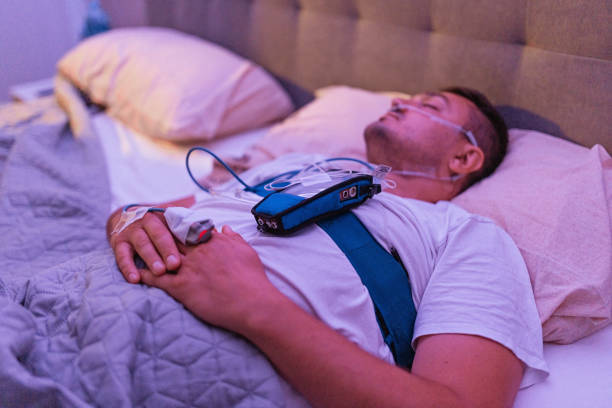
Ballistocardiography might sound like a complicated medical term, but the principle is simple. Every time your heart beats, it pushes blood through your arteries, and that force creates a tiny ripple throughout your body. When you lie on a mattress, that ripple travels to the surface. The Emfit QS sensor sits between your mattress and box spring or platform base, and it detects these minute mechanical vibrations. It does not need to touch your skin. It does not need a chest strap or a finger clip. You simply place it under the mattress where your chest rests, plug it in, and it begins recording. Over the course of the night, the sensor captures not only your heart rate but also your breathing rate, movement patterns, and sleep stages—light, deep, and REM.
For the team at SleepGoals, the Emfit QS represents a meaningful step forward in sleep monitoring. Most people know that sleep is critical for memory consolidation, immune function, and emotional regulation. But knowing that fact and actually improving your sleep are two different things. The common causes of poor sleep—stress, caffeine, irregular schedules, and underlying health issues—can be hard to identify without objective data. A device like the Emfit QS removes the guesswork. By reviewing your morning report, you can see exactly how long you spent in restorative deep sleep, how many times you woke up, and whether your heart rate remained stable through the night. That information can help you decide if you need to adjust your bedtime routine, change your pillow, or talk to your doctor.
One of the biggest advantages of this device is its simplicity. Because it lives under the mattress, you never have to remember to put it on or take it off. There is no charging cable attached to your wrist, no screen glowing in the dark, and no risk of it slipping off during the night. For couples, it works without disturbing a partner, since the sensor only picks up vibrations from the person lying above it. And because it does not rely on audio or video, there are no privacy concerns about a camera or microphone pointing at your bed. The Emfit QS simply records mechanical data—heartbeats, breaths, and movements—and translates them into a readable chart.
That said, the Emfit QS is not a medical diagnostic tool. It will not replace an electrocardiogram or a sleep study for conditions like sleep apnea. But for the average American adult who wants to optimize their sleep, it provides a level of detail that was once only available in a lab. The sensor is especially useful for people who have trouble fitting wearables into their lifestyle. Maybe you have sensitive skin that reacts to straps. Maybe you share a bed and do not want to wear a device that could wake your partner. Or maybe you simply prefer the idea of tracking your sleep without any conscious effort. In all these cases, the under-mattress approach is a practical alternative.
When you combine the Emfit QS with other strategies from the SleepGoals toolkit—like choosing the right mattress firmness, using cooling sheets to regulate temperature, or adjusting your evening light exposure—you get a comprehensive picture of your sleep health. The sensor acts as your objective observer, telling you whether your habits are working. Over time, you can spot patterns. You might notice that your heart rate stays elevated after a late dinner. You might see that your deep sleep decreases on nights when you drink alcohol. These insights give you the power to make small changes that add up to better rest.
The future of sleep technology is moving away from clunky wearables and toward invisible, passive monitoring. The Emfit QS is an early example of that trend. It sits quietly under your mattress, doing its job without asking for your attention. For anyone who has ever struggled to stick with a sleep tracking routine, it offers a new way forward. You do not have to wear anything. You do not have to remember to start a session. You just go to bed, and the data collects itself. And when you wake up, you have a clear, honest look at how your body really slept.
Dream Blog
Real sleep talk for real people.

Orexin Neurons That Stabilize Wakefulness

5-HTP and Serotonin Pathway Caution